
 English
 Español
 Deutsch
 عربى


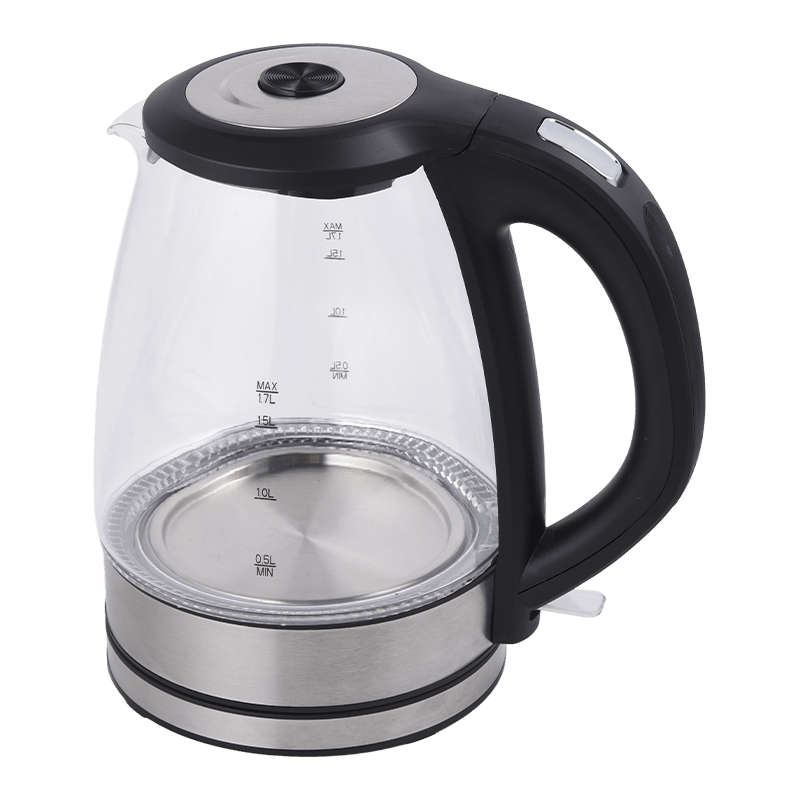
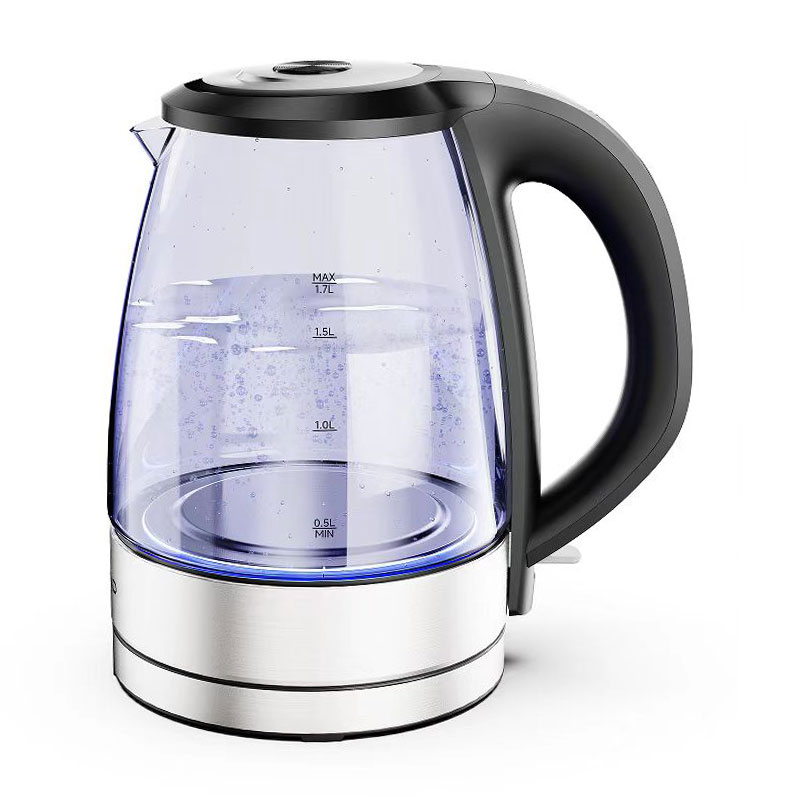
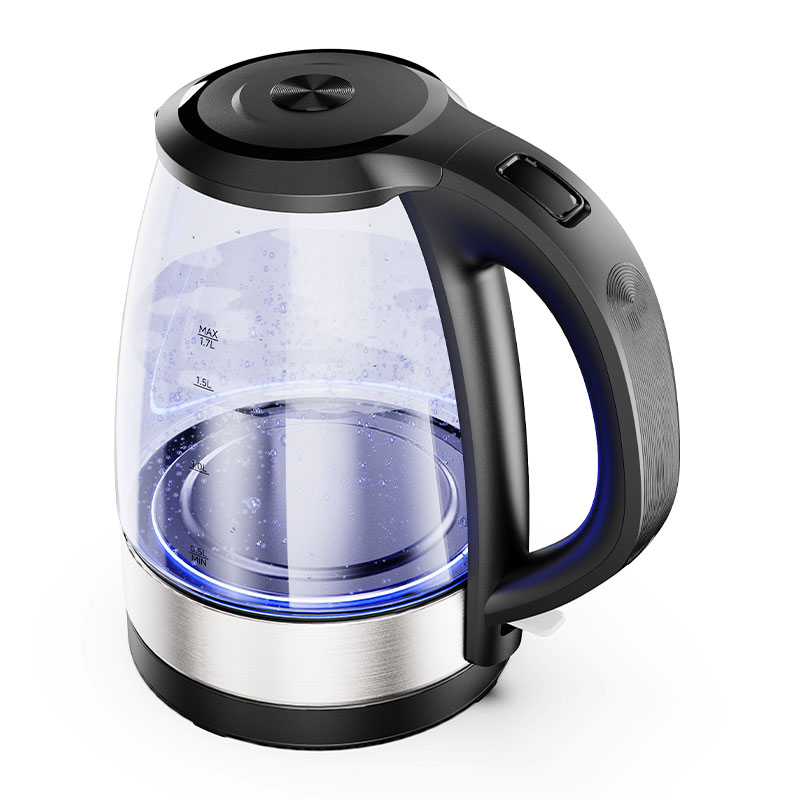
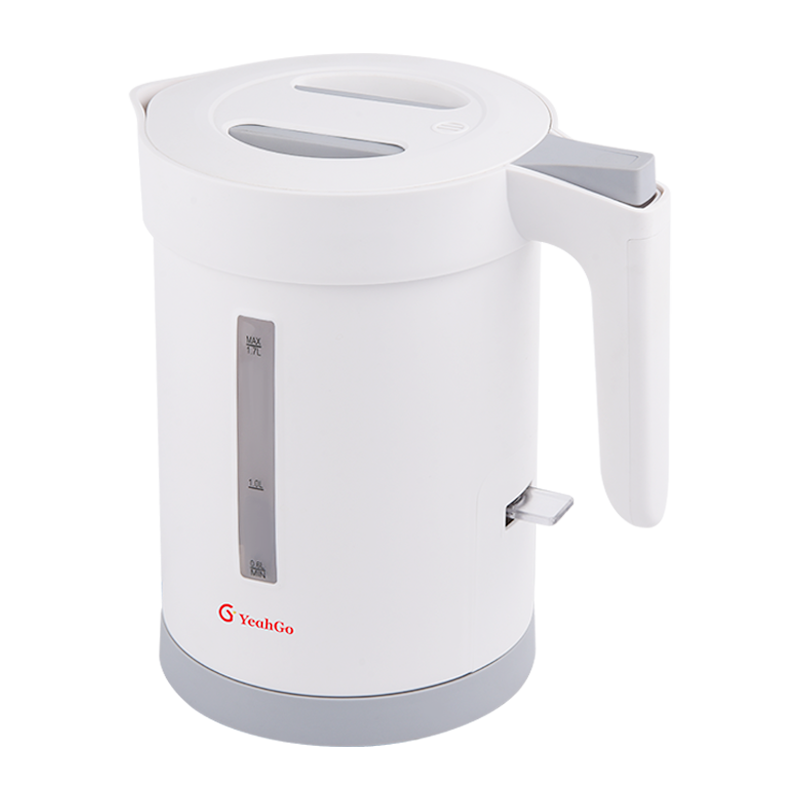
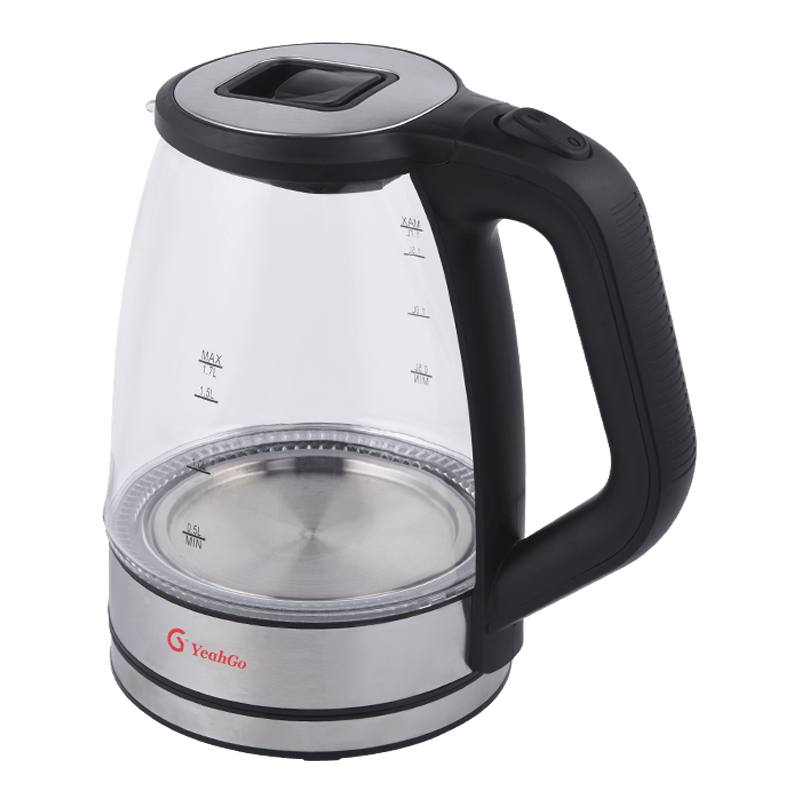
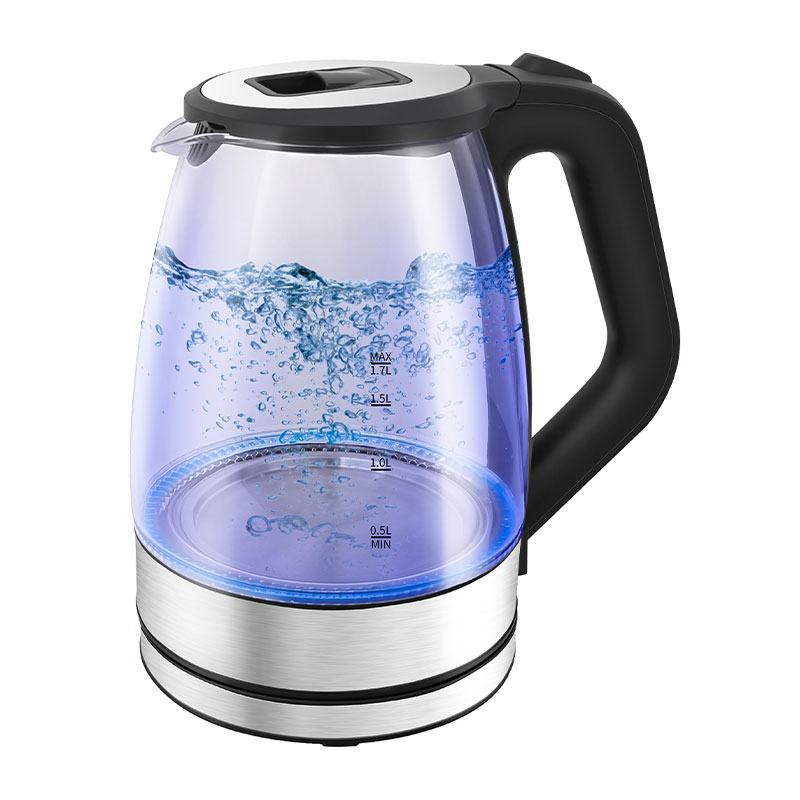
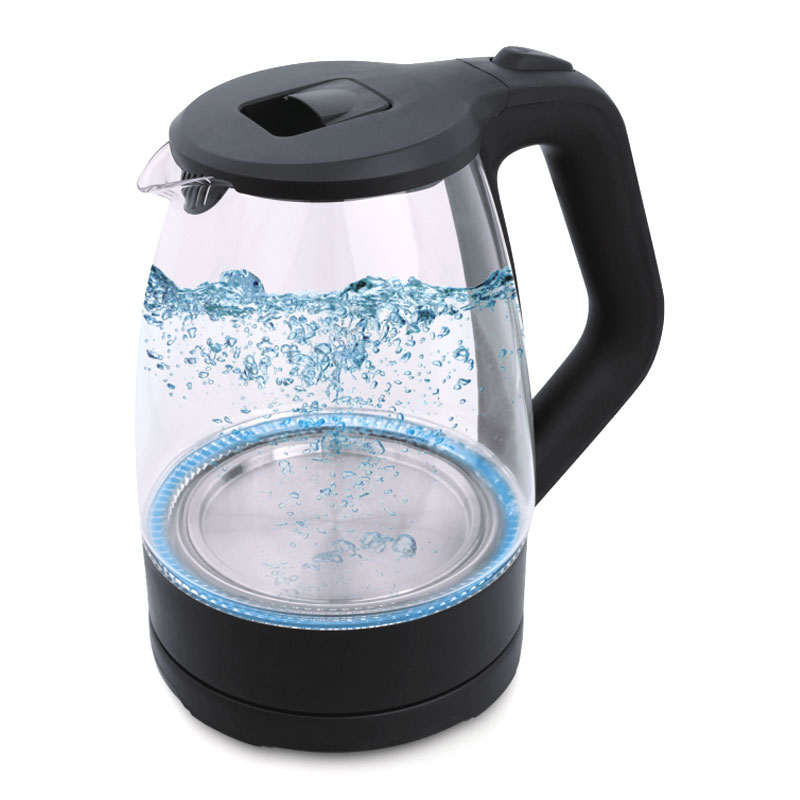
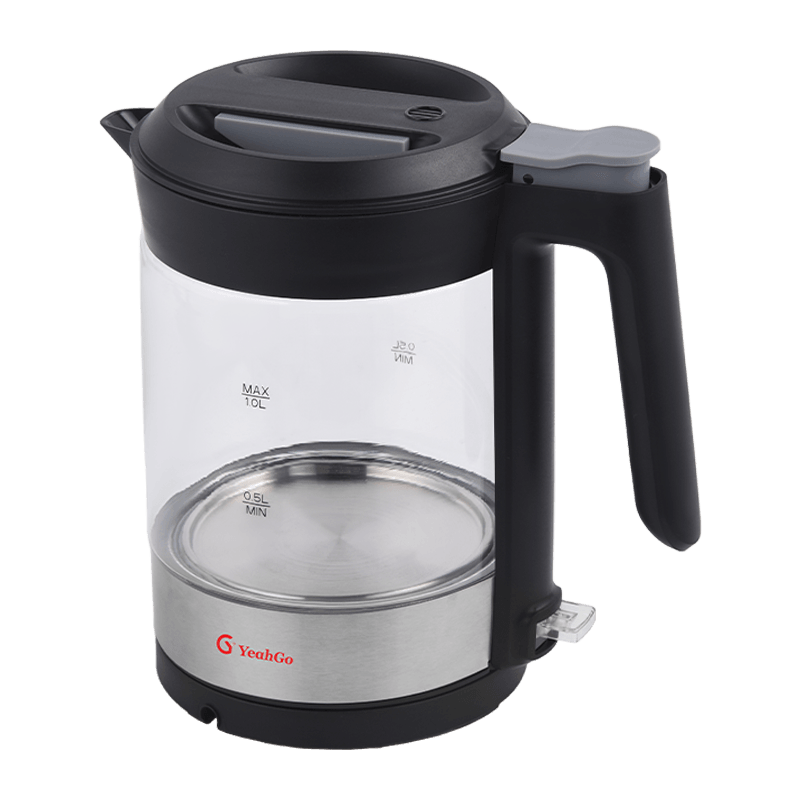
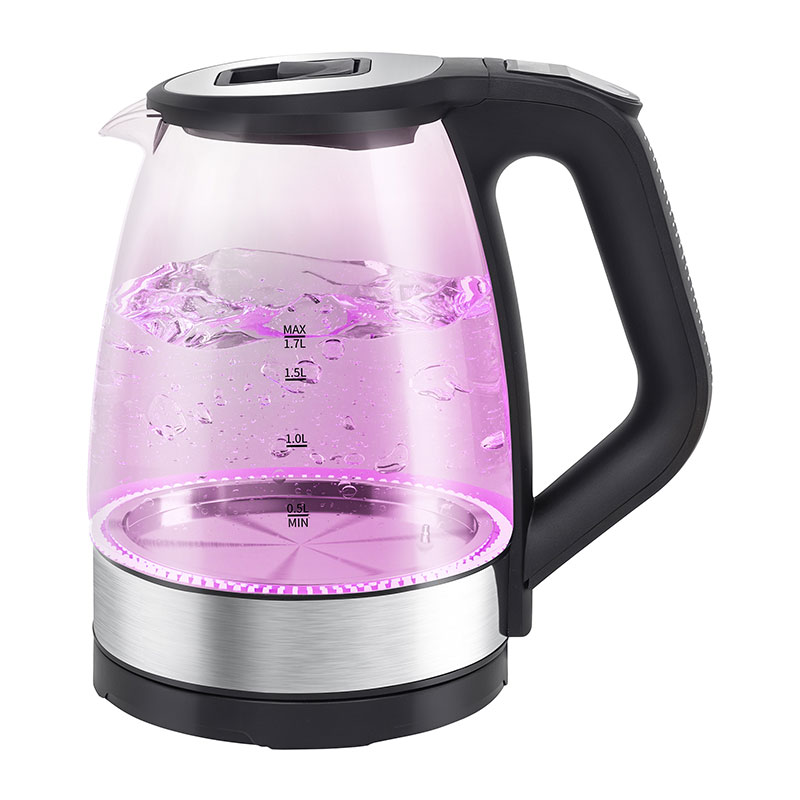
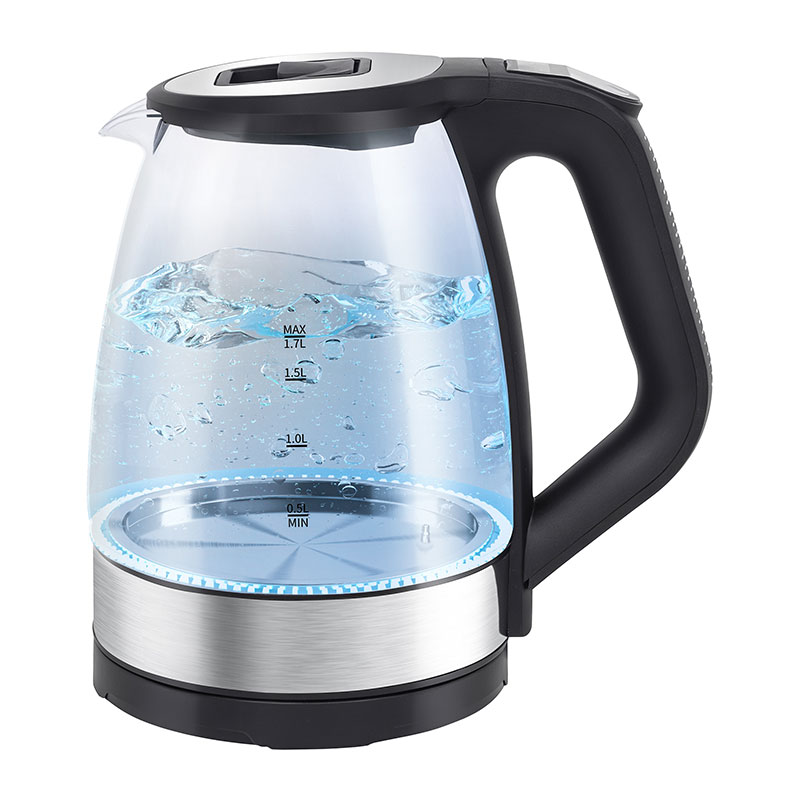
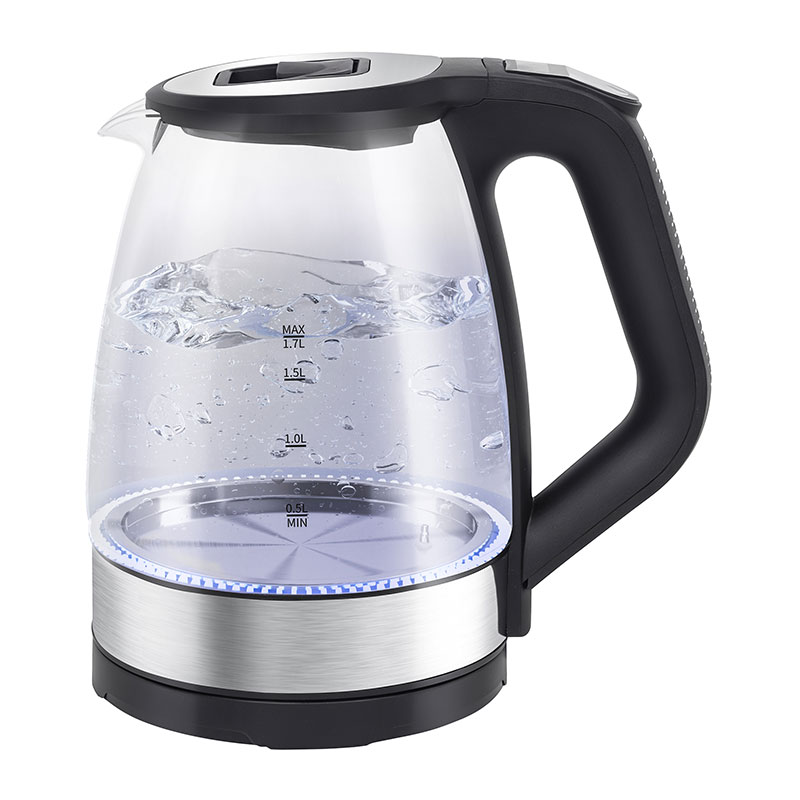
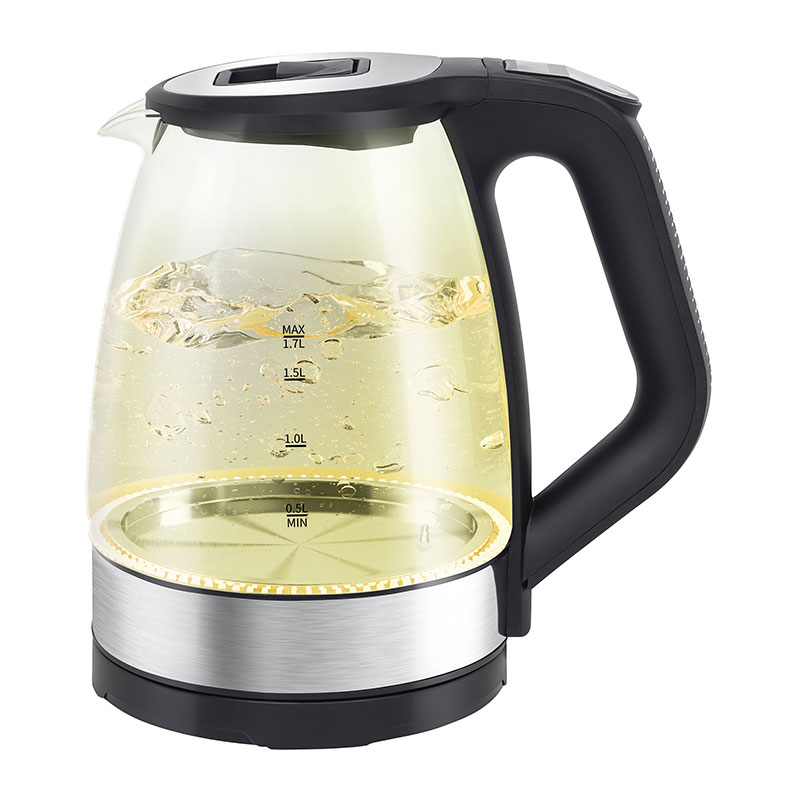
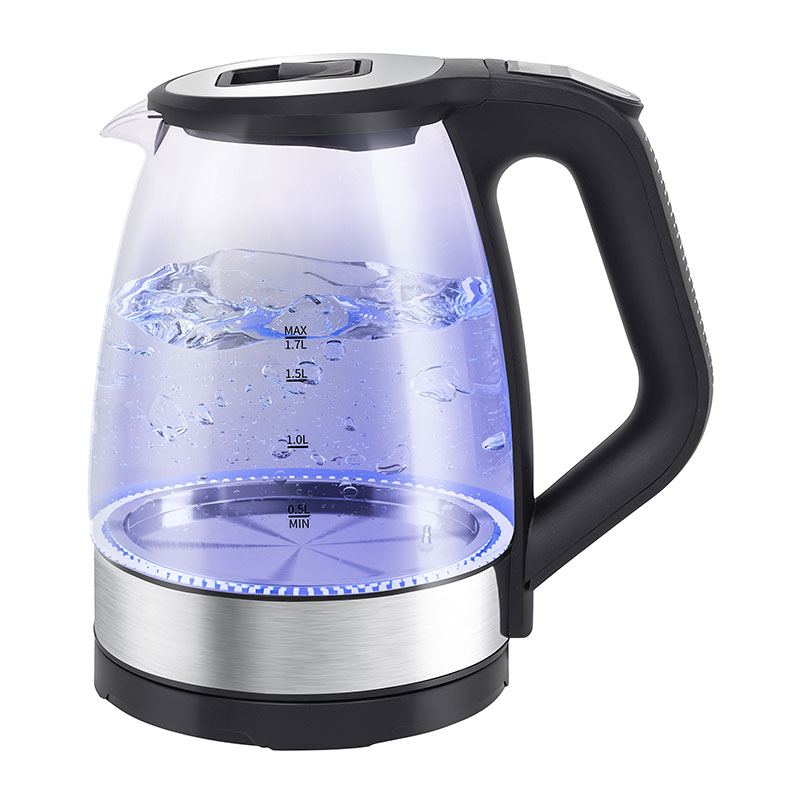
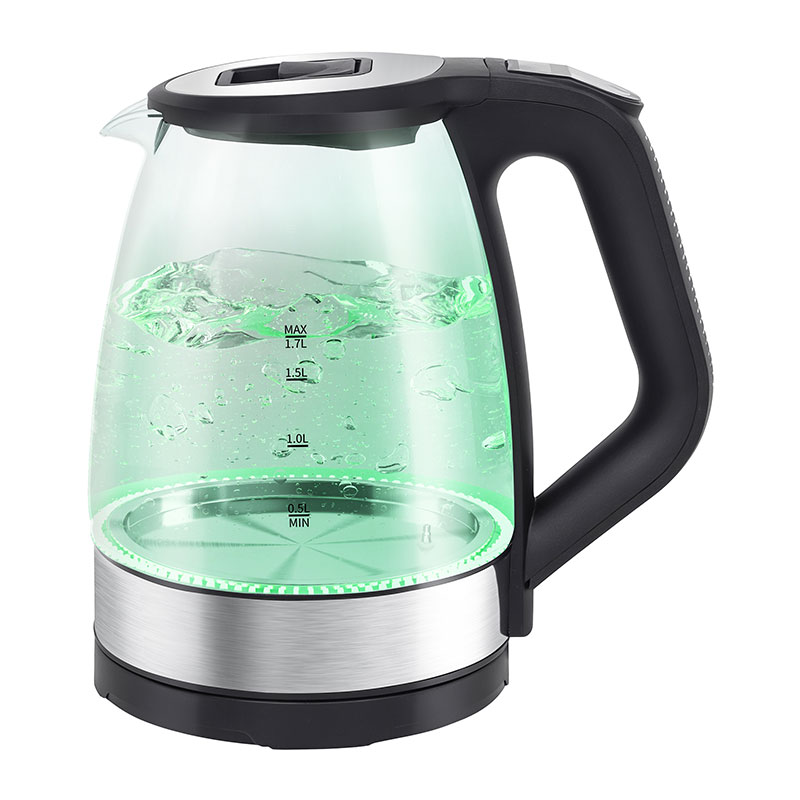
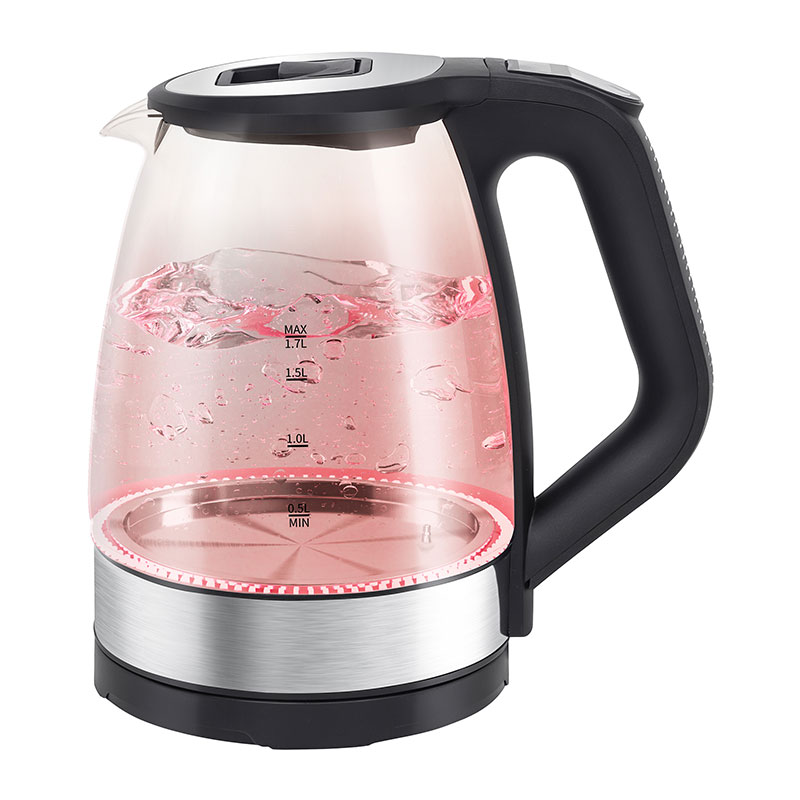
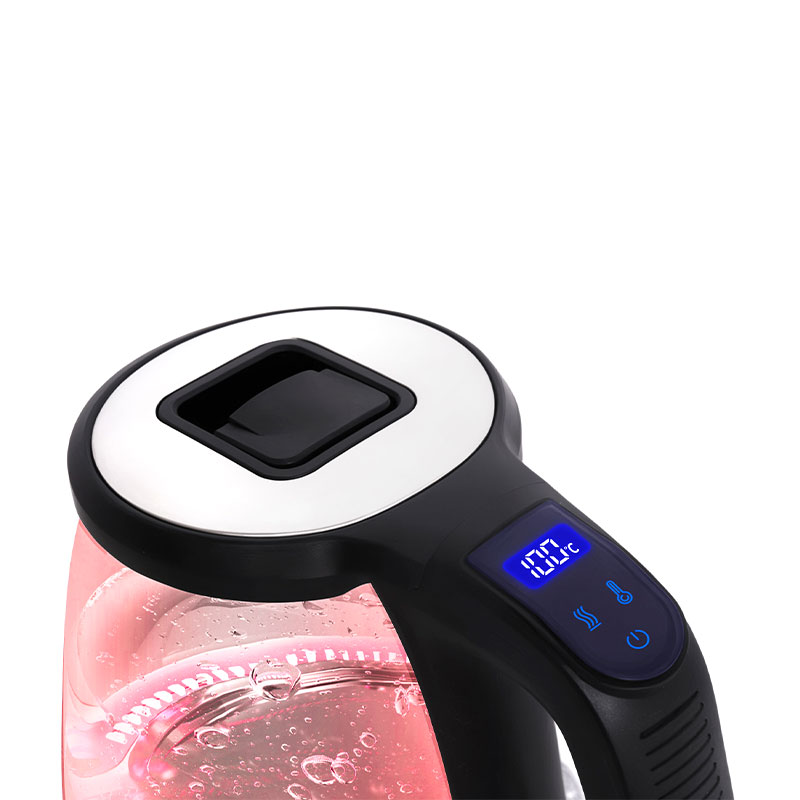
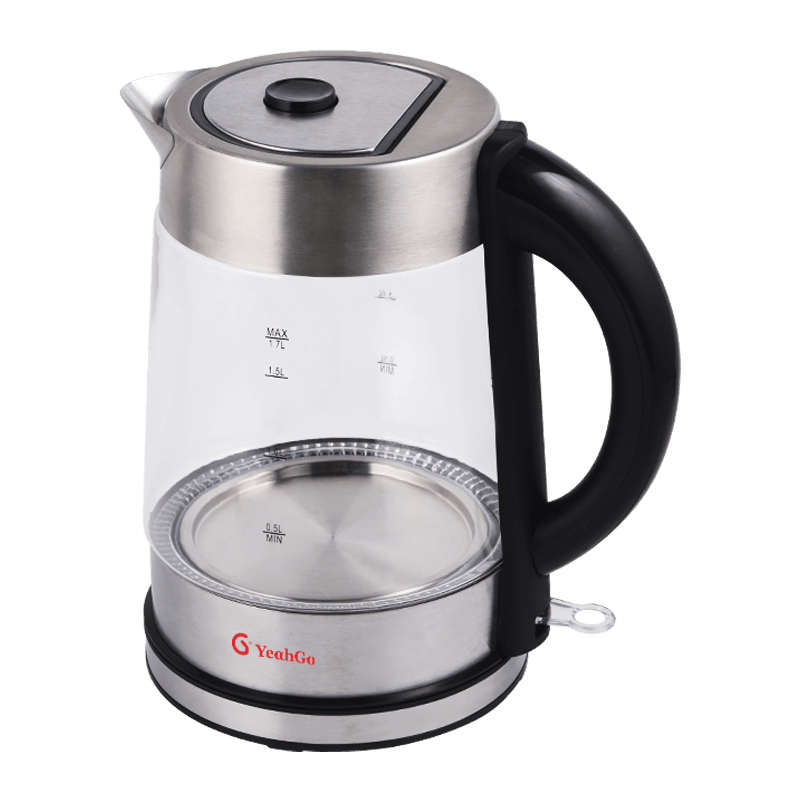
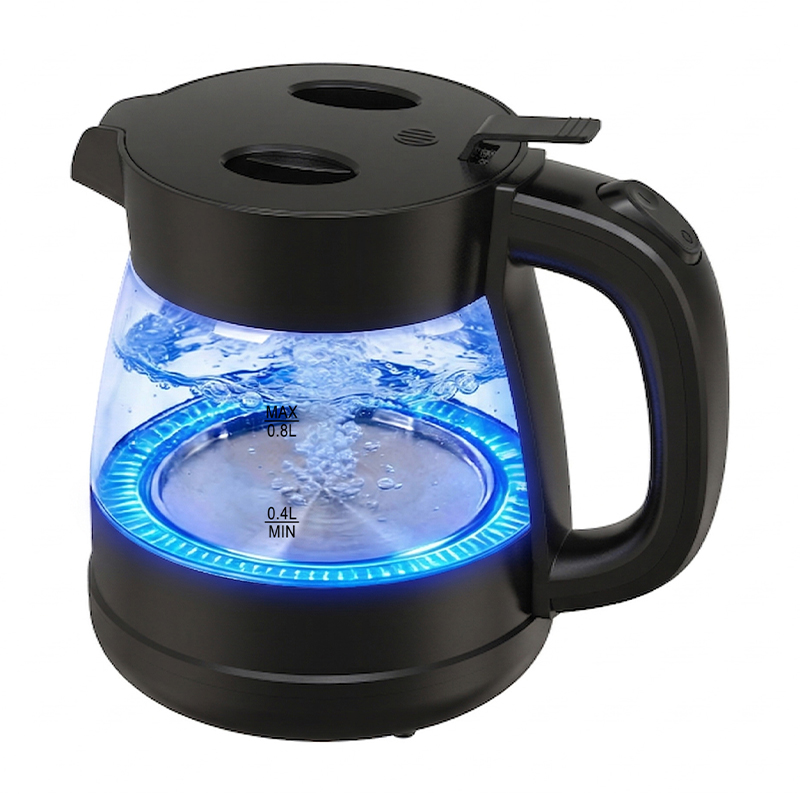
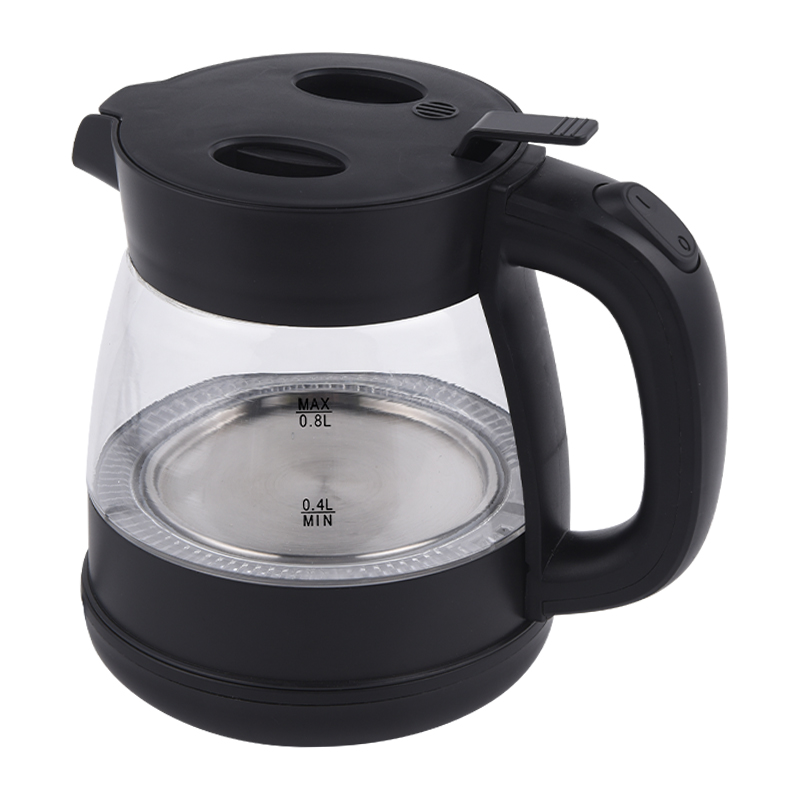
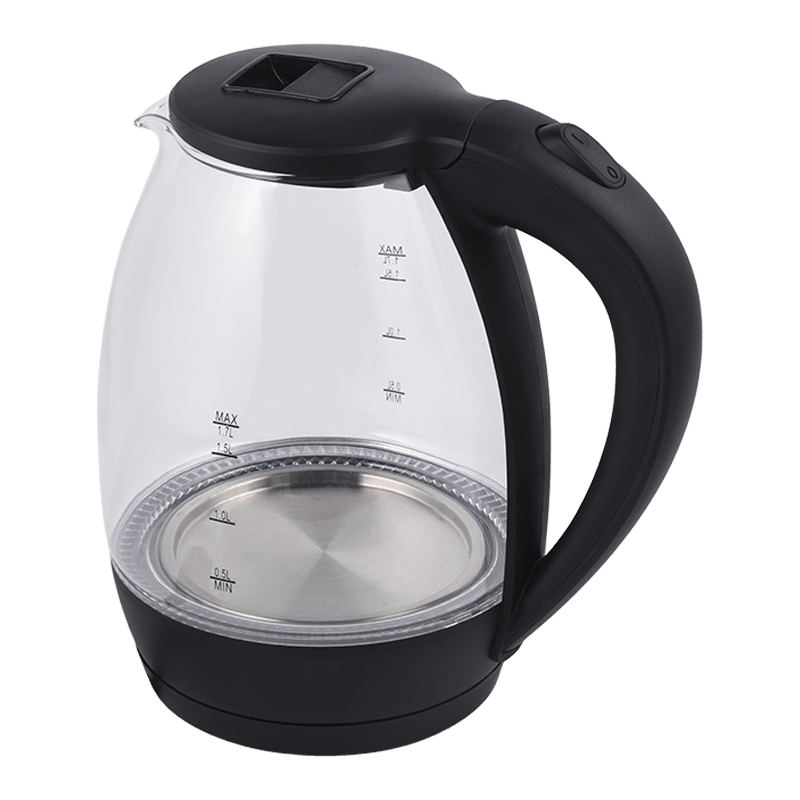
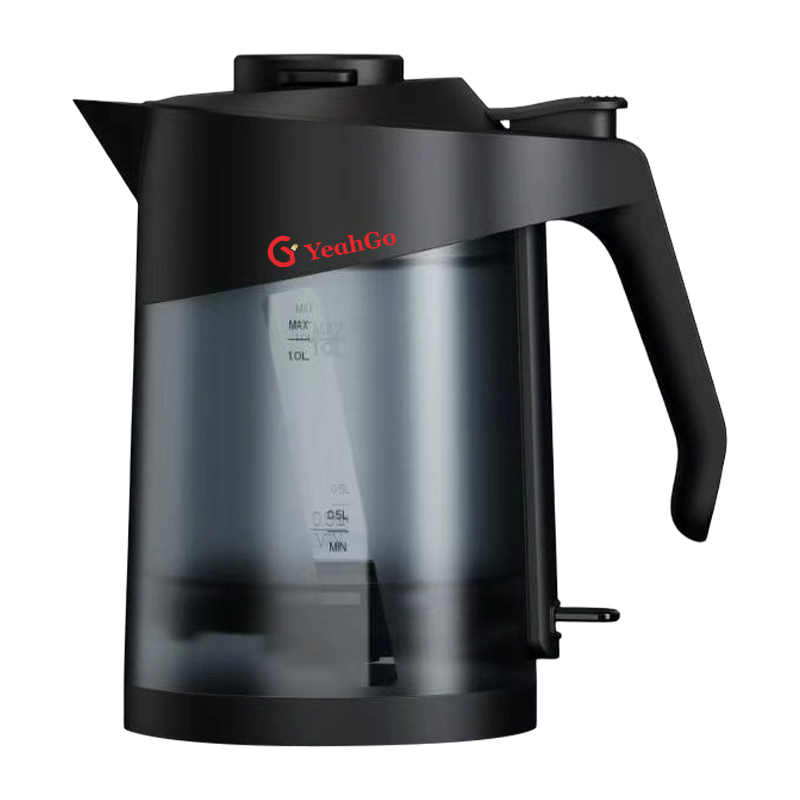
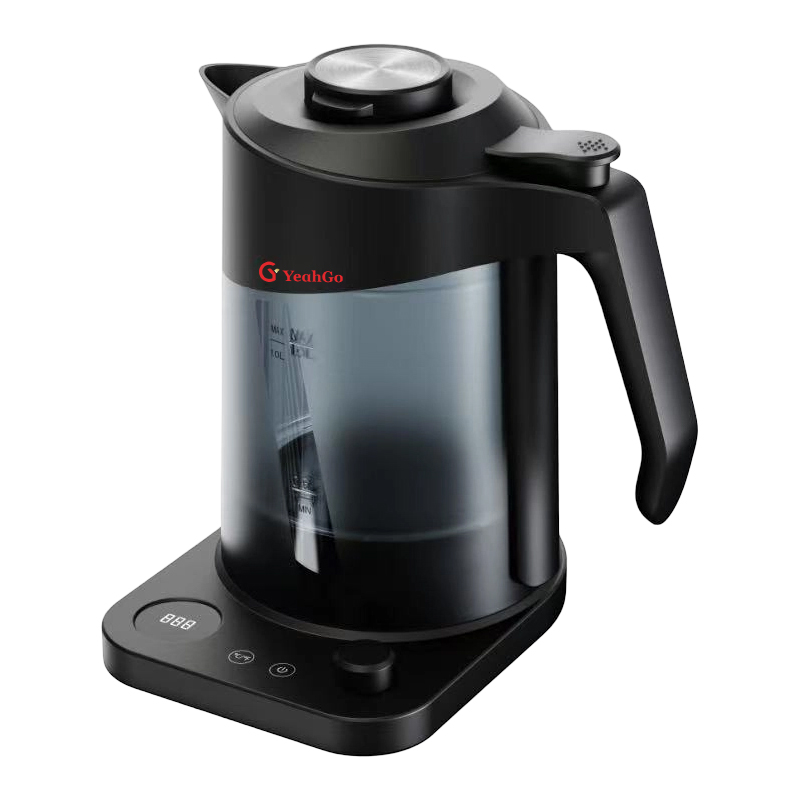
development: 2018- Future
Simple Elegant Design, Trustworthy Quality Appliances.
-
0㎡
Factory Area
-
0+
Number of Employees
-
0+
Industry Experience
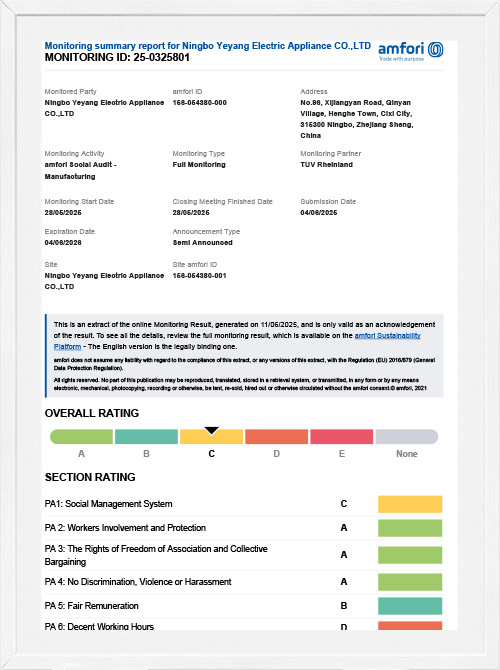
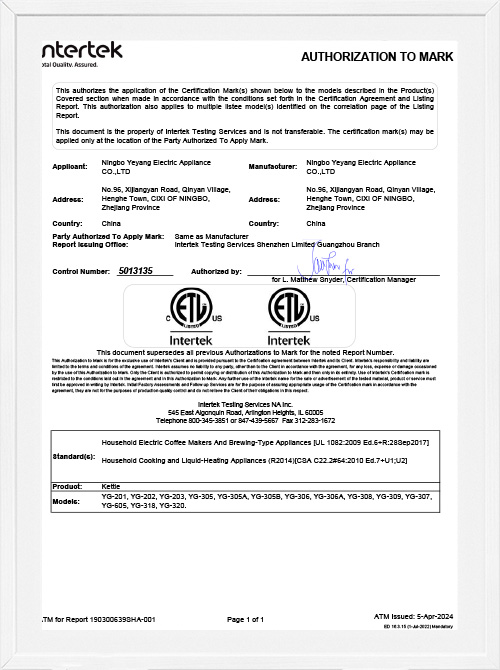
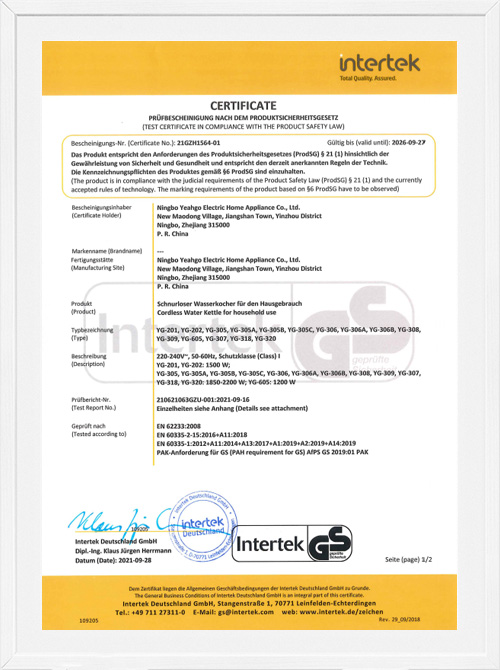
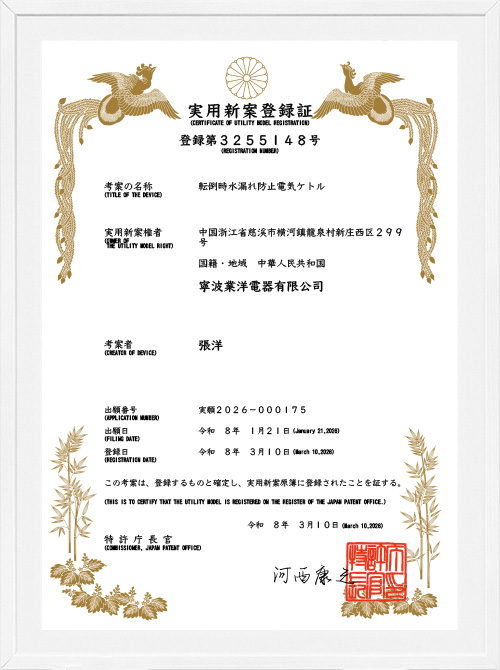
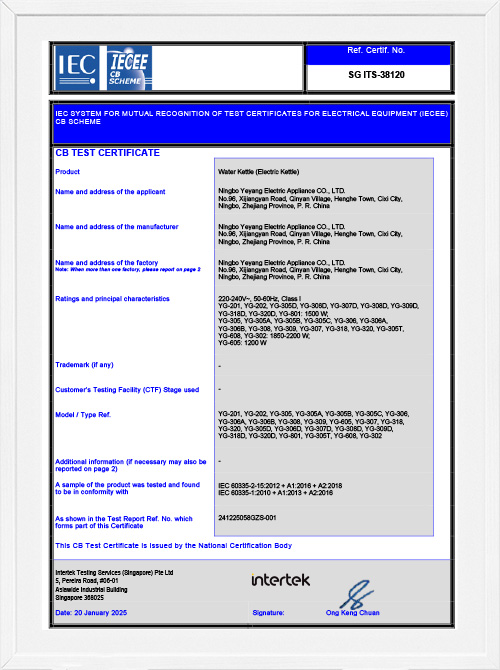
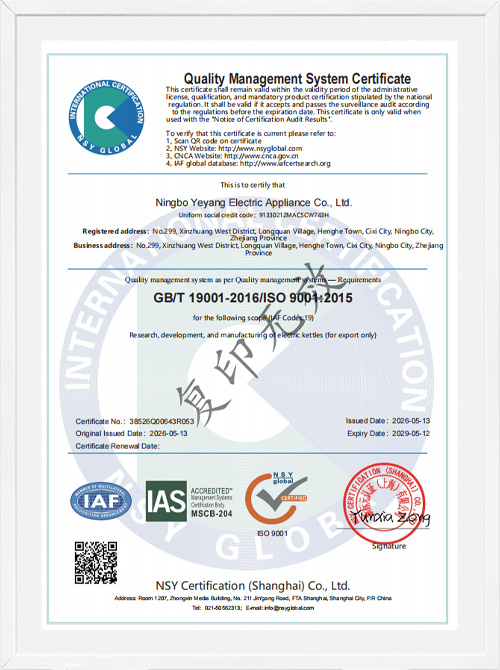
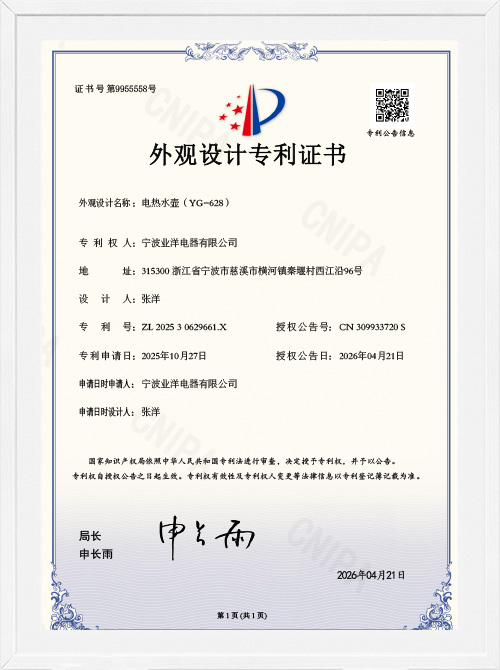
Ningbo Yeyang Electric Appliance Co., Ltd. (YeahGo), founded in 2018 and located in Ningbo City, Zhejiang Province, is a professional electric appliance manufacturer integrating R&D, production, and export. The company places great emphasis on craftsmanship and quality, with product designs that are simple yet elegant. Its main markets include Europe, North America, Japan, and the Middle East. The company holds multiple patents and has obtained international certifications such as GS, CE, BSCI, ETL, RoHS, PSE, CB, and ISO. Guided by the corporate spirit of "professionalism, sincerity, hard work, and gratitude," YeahGo is a China Kitchen & Cleaning Appliances Supplier and Home Cleaning Appliances Factory, committed to building an enterprise trusted by customers and beloved by employees, and has established a solid reputation within the industry.
 Oct 29, 2026

Products Industry knowledge
What Buyers Should Look for in Kitchen and Cleaning Appliances
The short answer for importers, retailers, and brand owners is this: the most dependable results come from Kitchen & Cleaning Appliances that are developed with a clear target market in mind, tested against that market's safety rules, and produced by a factory that controls design, tooling, and assembly under one roof. The same logic applies to Home Cleaning Appliances such as vacuum units and steam cleaners, where noise, filtration, and electrical safety all need to be settled before production starts. Products that skip any of those steps tend to show up later as certification delays, return requests, or inconsistent quality between production batches.
This article is written for sourcing teams rather than end users. It compares common sourcing approaches, shows how performance holds up across repeated use, explains what buyers prioritize when comparing home cleaning appliances, and outlines what to ask a manufacturer before committing to a project. The charts use illustrative index values to make comparisons easier to read, so they should be treated as a planning aid rather than test results for any single product.
How Sourcing Approach Affects Reliability
Not every supplier relationship works the same way, and the approach a buyer takes often shapes the outcome more than any single specification. The horizontal bar chart below scores three common approaches on a 0-100 reliability index, which reflects consistency between batches, certification readiness, and how smoothly design changes are handled.
The gap between generic catalog sourcing and an OEM/ODM arrangement with in-house research and development is the most noticeable part of this comparison. Catalog products are designed for a broad audience, which means a buyer has little control over materials, plug types, or packaging. Standard OEM production improves this by allowing a private label, but the underlying design usually stays the same. An OEM/ODM approach goes further, since the manufacturer can adjust the design itself, which tends to reduce rework when a product has to meet the rules of a specific market. For buyers managing several product lines, that flexibility often matters more than a small difference in unit specifications.
How Performance Holds Up Over Repeated Use
A product that works well on day one is only part of the picture, particularly for items used daily such as blenders, kettles, or handheld vacuum units. The line chart below tracks how much of its original performance a well-built appliance retains as use cycles accumulate, from a new unit out to 2,000 cycles.
Retention drops from 100% at the start to roughly 88% after 2,000 cycles, and the decline is gradual rather than sudden. The steepest change happens early, which is typical as moving parts settle in, and the curve then flattens into a steady, predictable slope. For a buyer, a predictable slope is more useful than a flat claim, because it makes it easier to plan spare parts, set expectations for after-sales support, and decide how long a product line should stay in the catalog. It also gives sourcing teams a practical question to ask any manufacturer: how was the cycle count measured, and under what load. The answer usually reveals how seriously the factory treats durability testing.
What B2B Buyers Prioritize When Comparing Home Cleaning Appliances
When procurement teams compare home cleaning appliances such as vacuum units, steam cleaners, and handheld cleaners, a handful of factors tend to come up in nearly every evaluation. The column chart below shows how often each factor is treated as a priority, on an illustrative percentage scale.
Certification leads the list at 92%, which reflects how much market access depends on documented compliance. A product that cannot be sold because paperwork is incomplete creates costs that no design advantage can offset. Build quality follows closely, since returns and complaints are most often traced back to materials and assembly rather than concept. Customization and lead time sit in the middle, and they tend to matter most for private-label buyers who need a specific look, voltage, or plug type on a fixed schedule. Export packing ranks lower in the survey-style view but still affects damage rates in transit, especially for fragile items shipped across long distances.
Strengths and Trade-offs Across Six Dimensions
No appliance line is strongest in every area, and it helps to see where the trade-offs sit before finalizing a specification. The radar chart below maps six dimensions for a well-engineered small household appliance on a 0-100 scale.
Safety and ease of use score highest, which matches how consumer appliances are judged in retail settings: a product has to be simple to operate and pass electrical and material checks before anything else matters. Durability and core performance also score well, showing that a carefully engineered design does not have to sacrifice one for the other. Noise control sits at the lower end, which is a common trade-off because stronger motors and higher suction or heating output usually produce more sound. Buyers targeting quiet-focused segments, such as apartment living or premium kitchens, can request design changes that address this area specifically. Seeing the profile as a whole helps teams decide where to spend development effort rather than chasing a perfect score everywhere.
Common Product Categories and What Each Requires
Kitchen and cleaning products share a factory floor in many cases, but each category brings its own technical priorities. The table below summarizes typical points a buyer should clarify early in a project.
Category Overview
| Category | Key Technical Focus | Typical Buyer Question |
|---|---|---|
| Kettles and cookers | Heating element safety, auto shut-off | Which safety standards apply in the target market? |
| Blenders and food processors | Motor durability, food-contact materials | How are materials documented for food contact? |
| Vacuum and handheld cleaners | Suction output, filter design, noise level | Can noise and suction be tuned for our segment? |
| Steam and floor cleaners | Water tank sealing, thermal protection | How is leakage and overheating tested? |
Starting a project with answers to these questions on paper shortens development time, since the manufacturer can match tooling, materials, and testing plans to the correct category from day one.
What to Ask a Manufacturer Before Starting a Project
Spec sheets across suppliers can look similar, so the questions below help separate factories with real engineering depth from trading intermediaries.
- Which certifications are currently held, and can the documents be reviewed for the specific model being discussed?
- Is product design handled in-house, and can adjustments be made without outsourcing to a third party?
- How are durability and safety tests carried out, and how are results recorded between batches?
- What is the process for sampling, approval, and mass production, and how long does each stage usually take?
- How is export packaging designed to limit transit damage on long routes?
A factory that answers these questions with documents rather than general statements is usually easier to work with over the long term, since expectations are set clearly at the start of the relationship.
About Ningbo Yeyang Electric Appliance Co., Ltd. (YeahGo)
Ningbo Yeyang Electric Appliance Co., Ltd. (YeahGo) is a China OEM/ODM Small Household Appliances Manufacturer and Small Home Appliances Factory, founded in 2018 and located in Ningbo City, Zhejiang Province. The company is a professional electric appliance manufacturer integrating research and development, production, and export, with a focus on craftsmanship, quality, and product designs that are simple yet elegant. Its main markets include Europe, North America, Japan, and the Middle East, and its portfolio covers kitchen and home cleaning appliances developed for those regions.
YeahGo holds multiple patents and has obtained international certifications such as GS, CE, BSCI, ETL, RoHS, PSE, CB, and ISO. Guided by the corporate spirit of "professionalism, sincerity, hard work, and gratitude," the company is committed to building an enterprise trusted by customers and valued by employees, and it has established a solid reputation within the industry.
Frequently Asked Questions
Q1: What is included in the kitchen and cleaning appliances category?
A1: It generally covers small countertop products such as kettles, blenders, and cookers, along with home cleaning appliances like vacuum units, steam cleaners, and handheld cleaners.
Q2: Can home cleaning appliances be customized for a private label?
A2: In many cases, yes. Manufacturers with OEM/ODM capability can adjust appearance, packaging, voltage, and plug type, and some can modify the underlying design.
Q3: Which certifications are commonly requested for export markets?
A3: Common examples include CE and GS for Europe, ETL for North America, PSE for Japan, and CB, RoHS, and ISO for broader compliance, depending on the product and destination.
Q4: How long does a typical OEM/ODM project take?
A4: Timelines vary with product complexity, certification needs, and sample approval rounds, so it is best to confirm each stage with the manufacturer at the start of the project.
Q5: What should a buyer review before approving mass production?
A5: Reviewing an approved pre-production sample, certification documents, and test records for the specific model helps confirm that the production batch will match what was agreed.
Integrated R&D, production and export full industrial chain.
Quick Link
Product
Contact Information
-
Tel:86-139 5829 1543
-
E-mail:ken@nbyeyang.net
-
Address: No. 299, Xinzhuang West District, Longquan Village, Henghe Town, Cixi City, Zhejiang Province, China
Copyright © Ningbo Yeyang Electric Appliance Co., Ltd. All Rights Reserved Kitchen & Cleaning Appliances Supplier Home Cleaning Appliances Factory
