
 English
 Español
 Deutsch
 عربى


Travel Electric Kettle Supplier
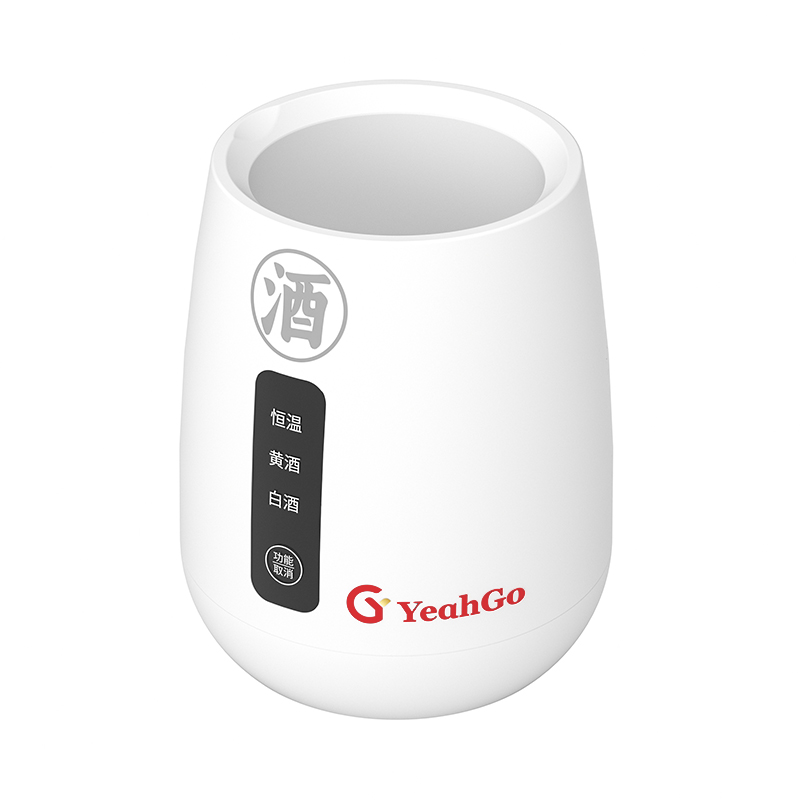
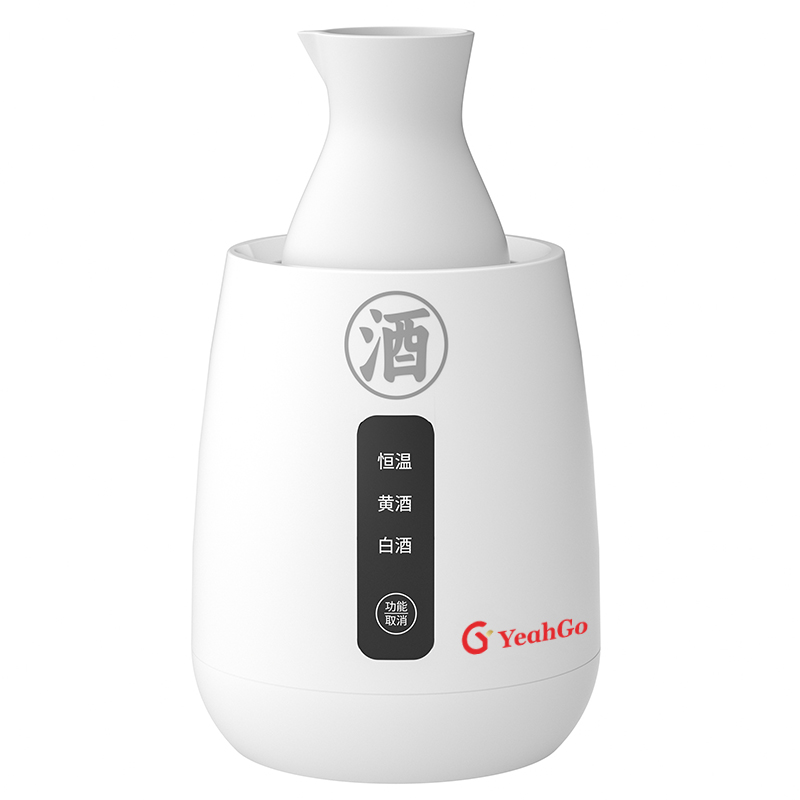
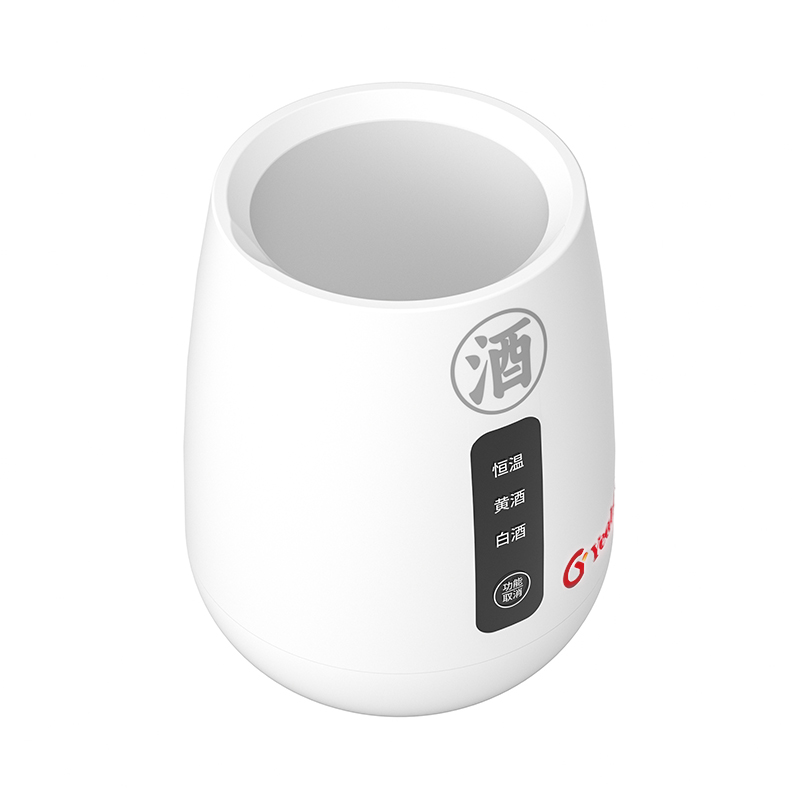
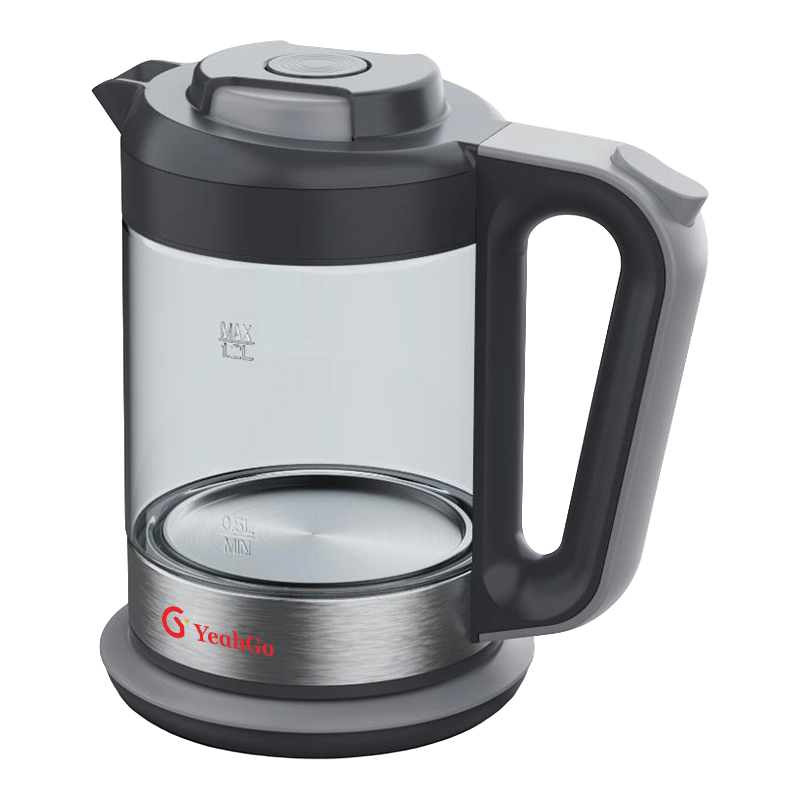
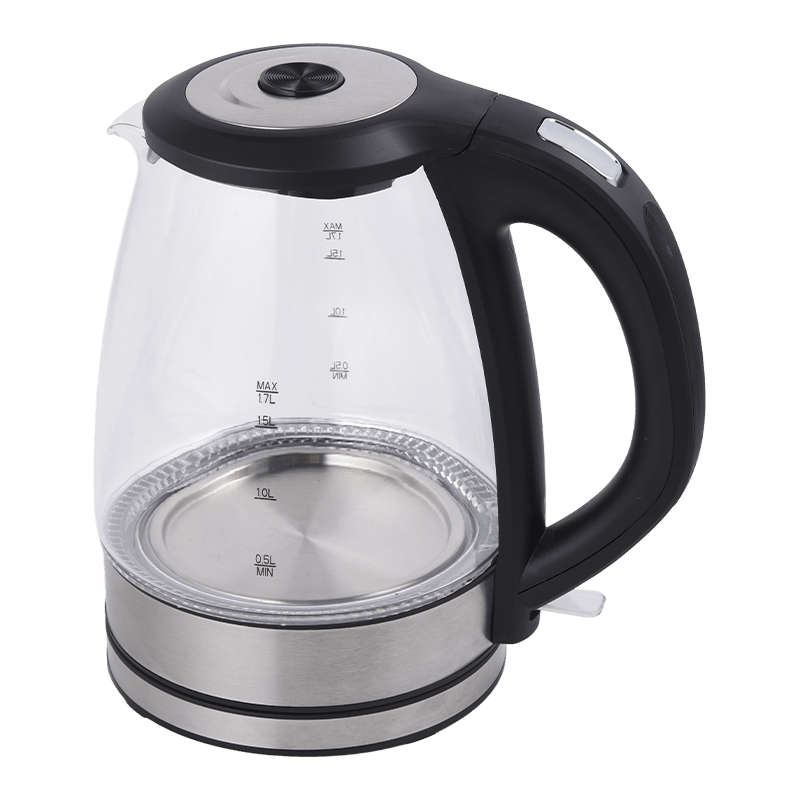
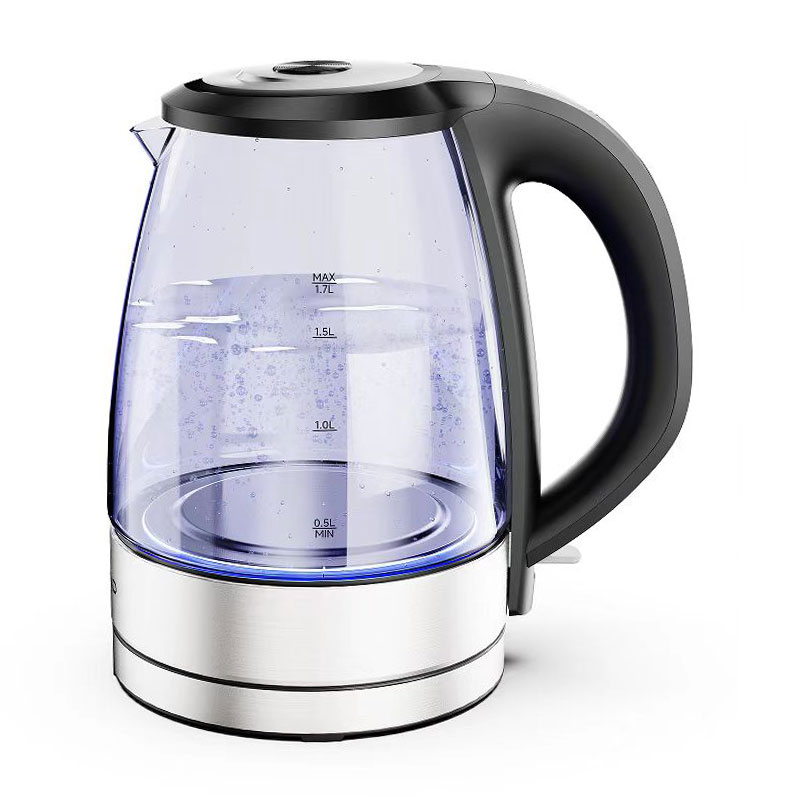
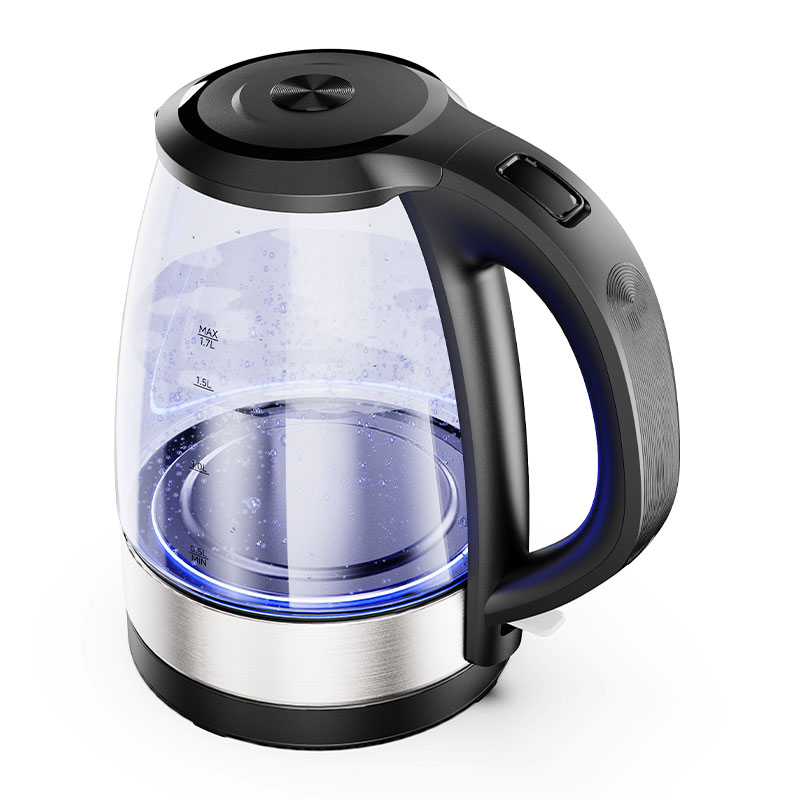
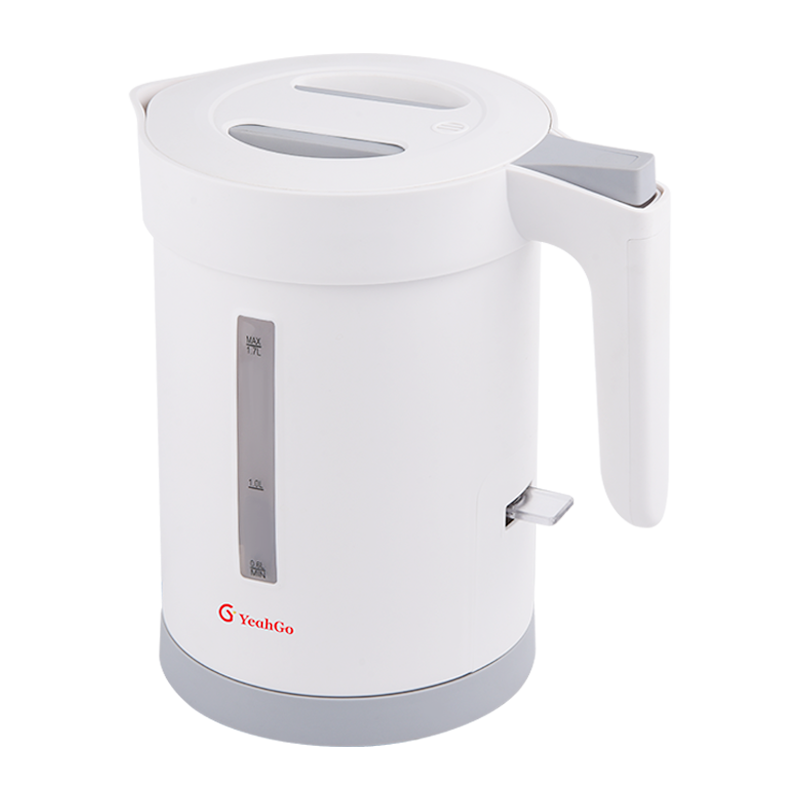
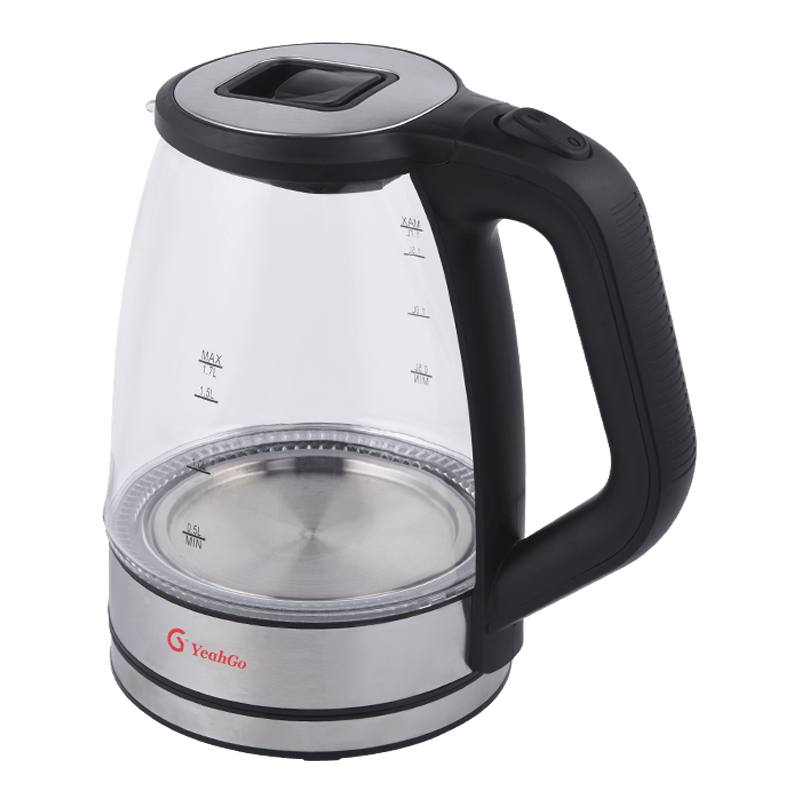
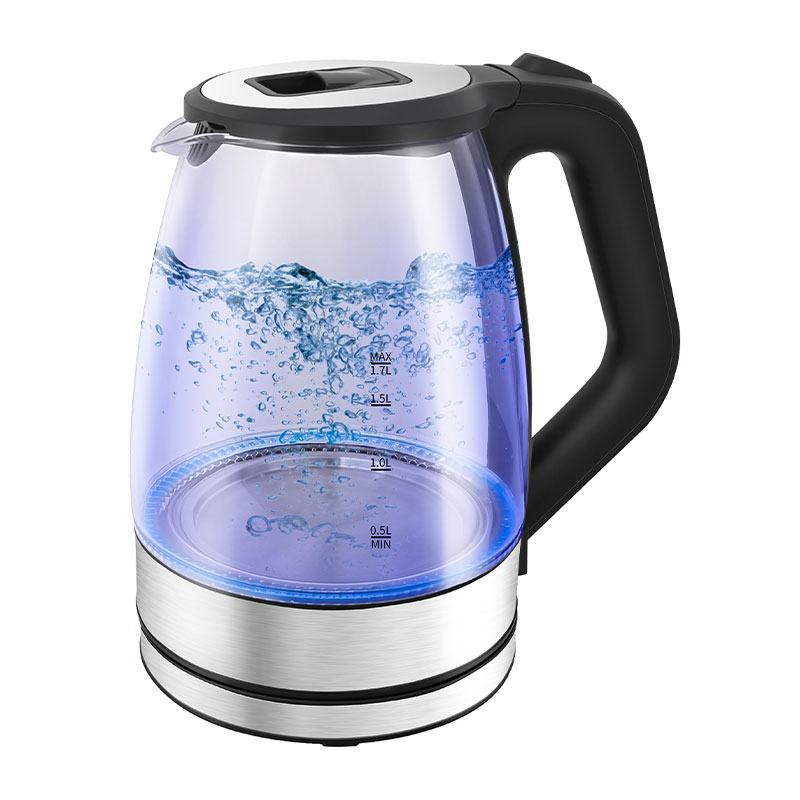
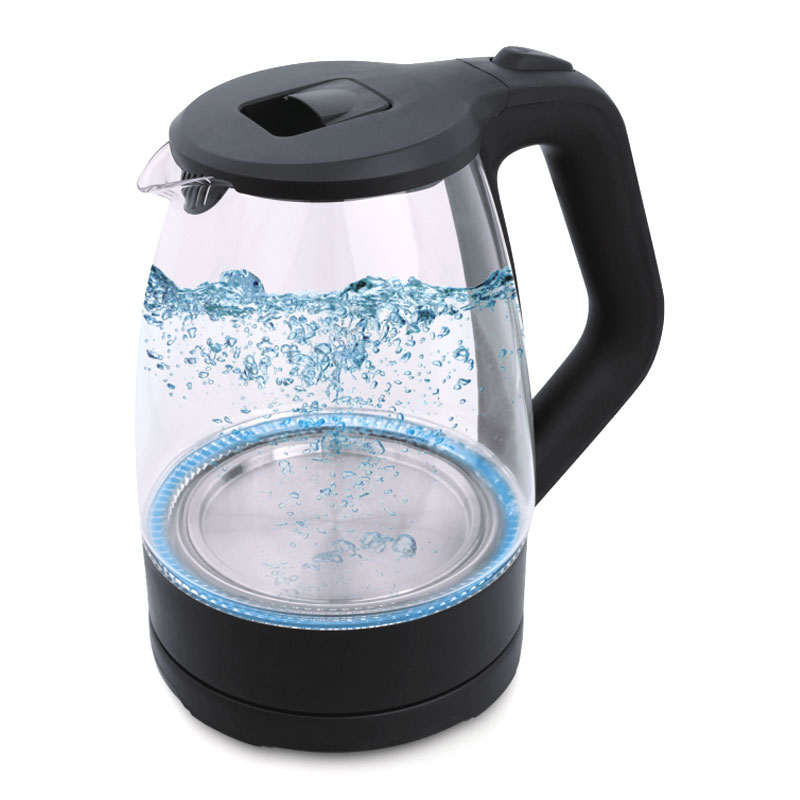
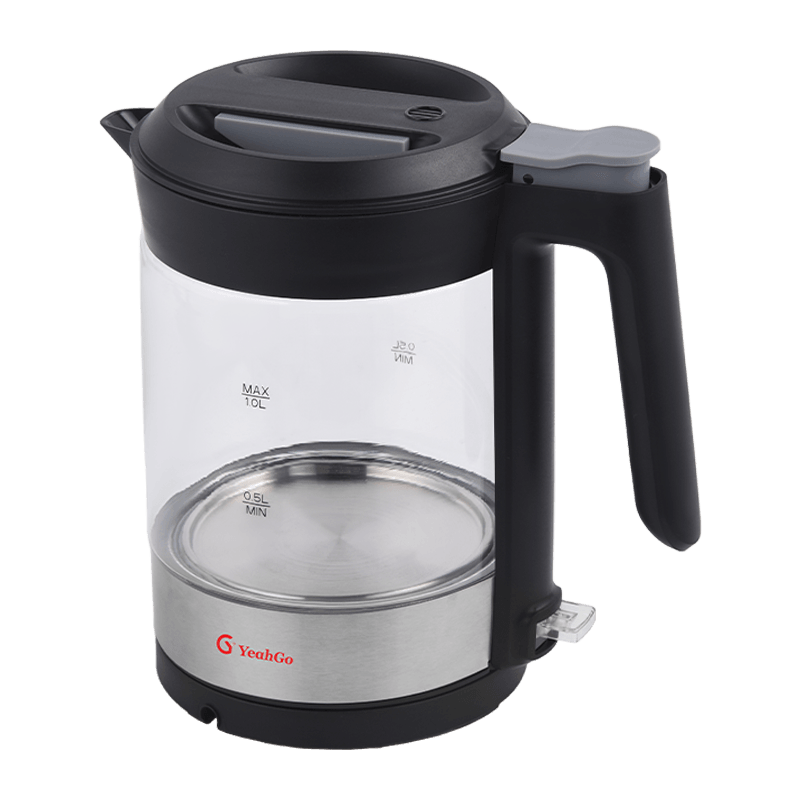
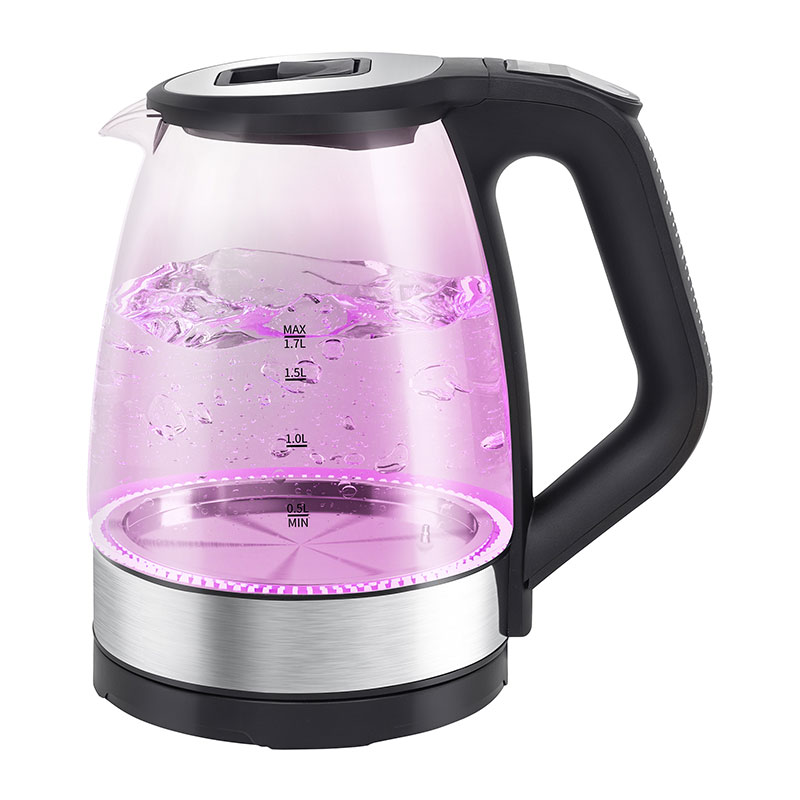
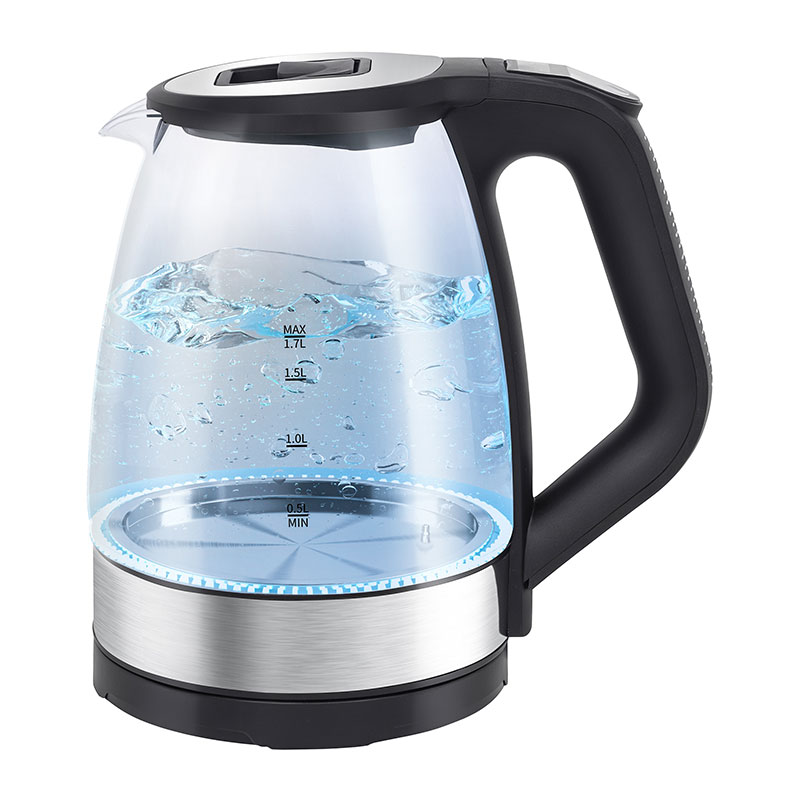
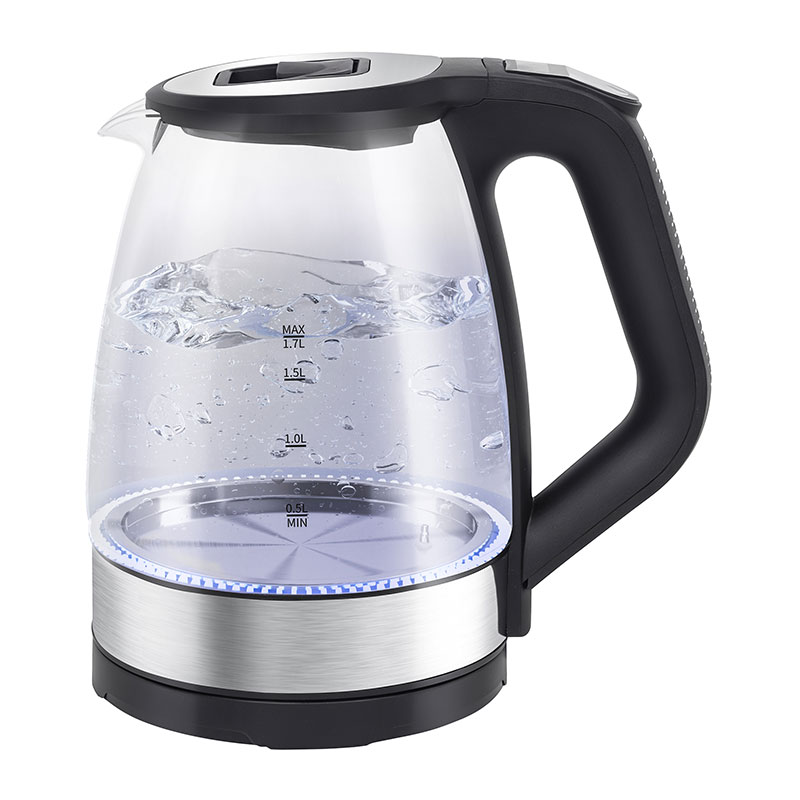
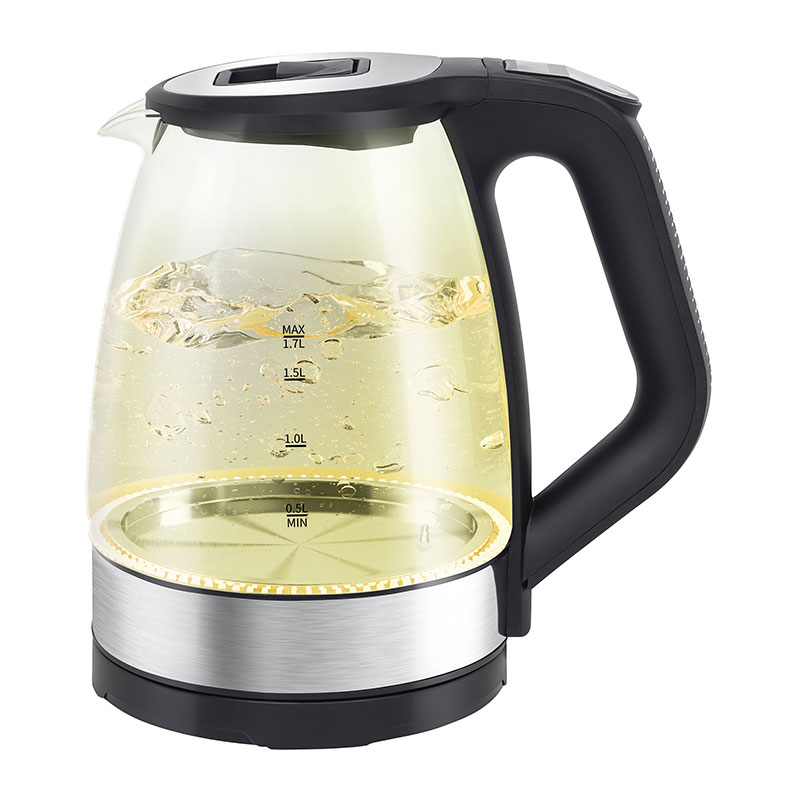
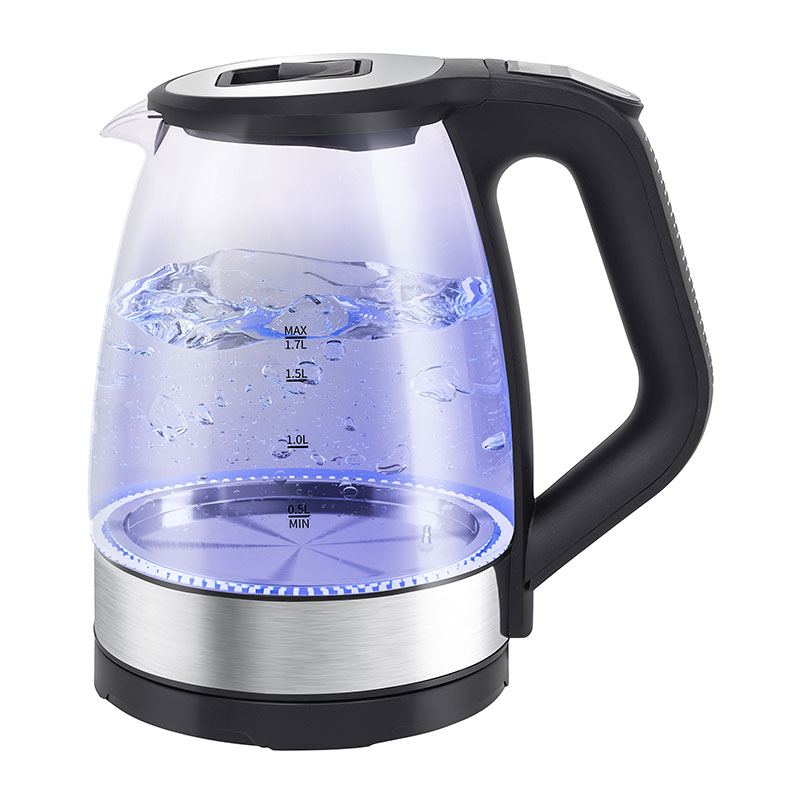
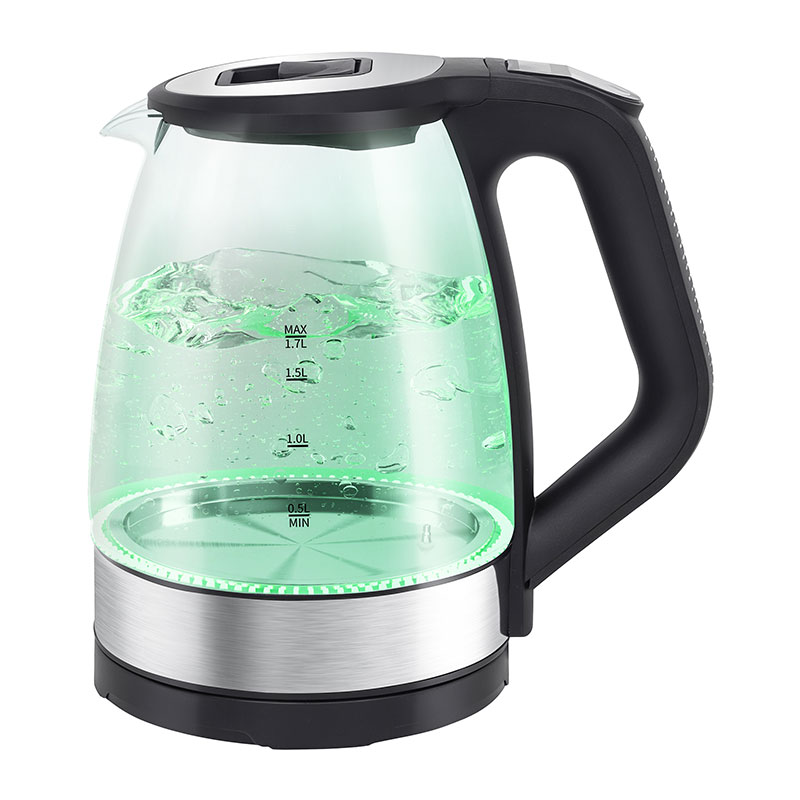
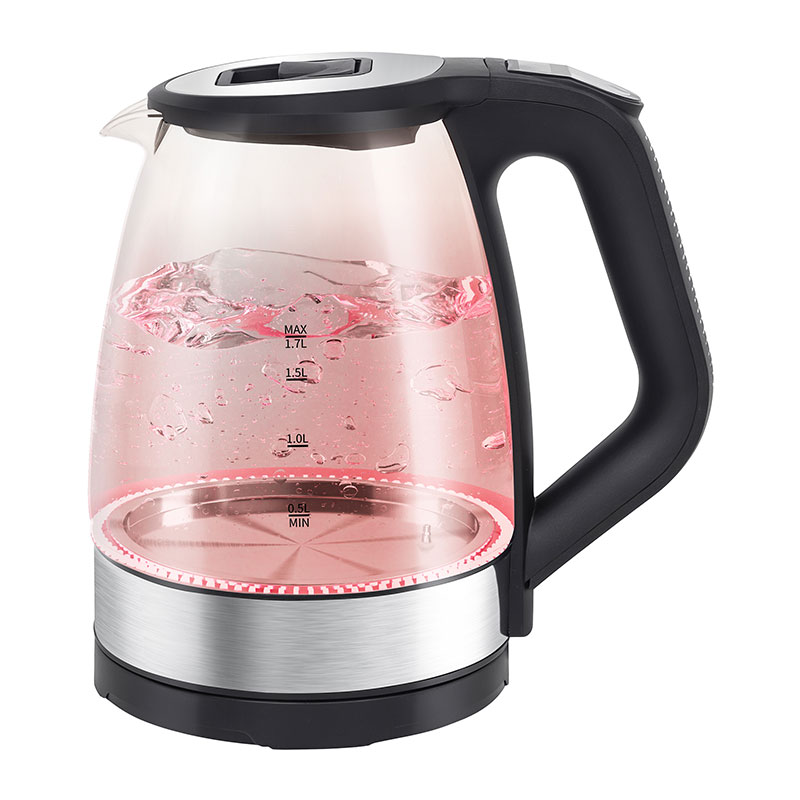
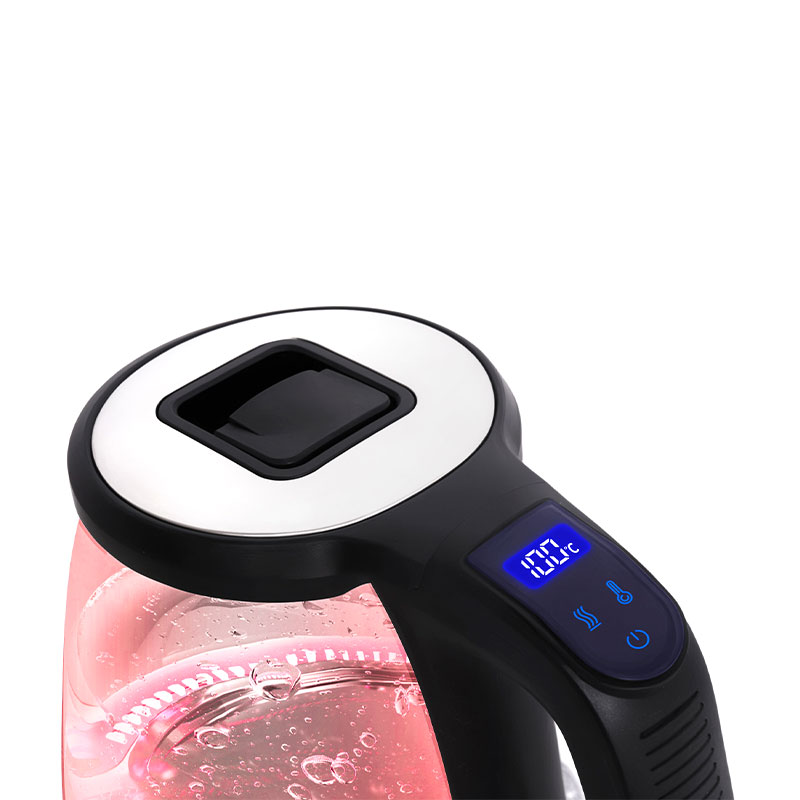
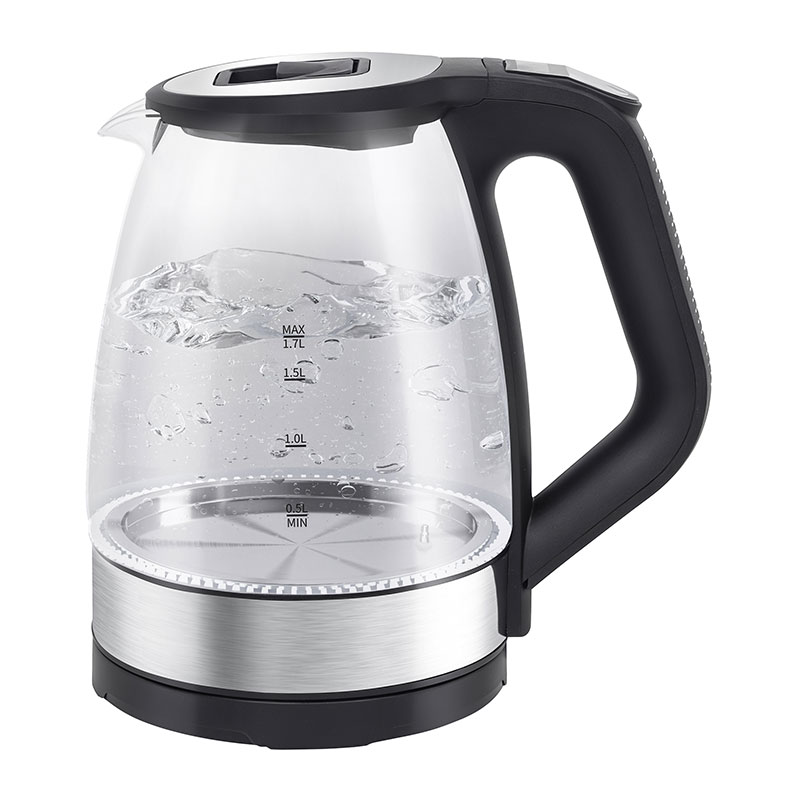
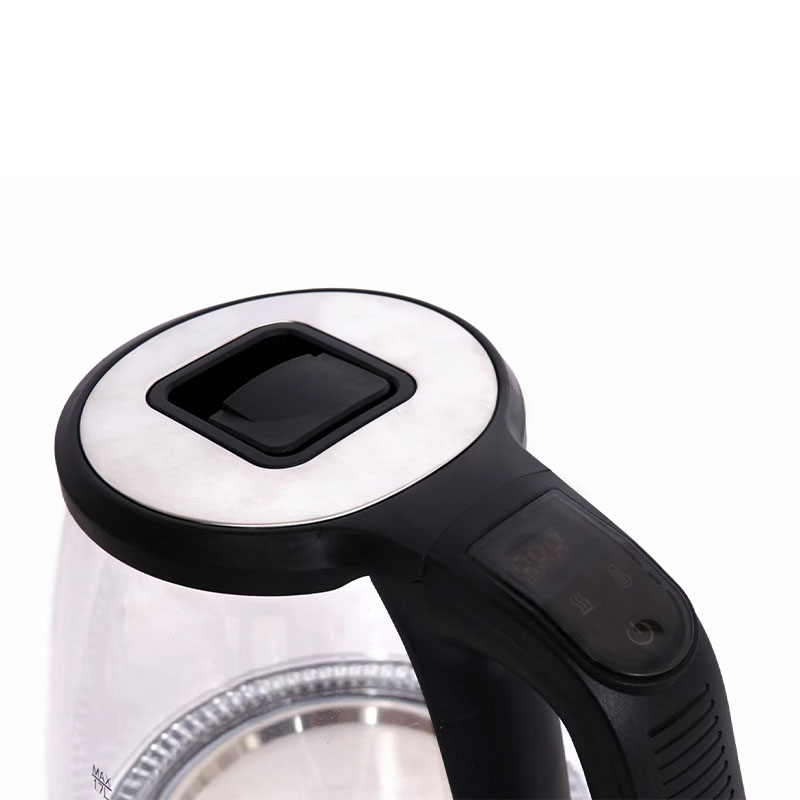
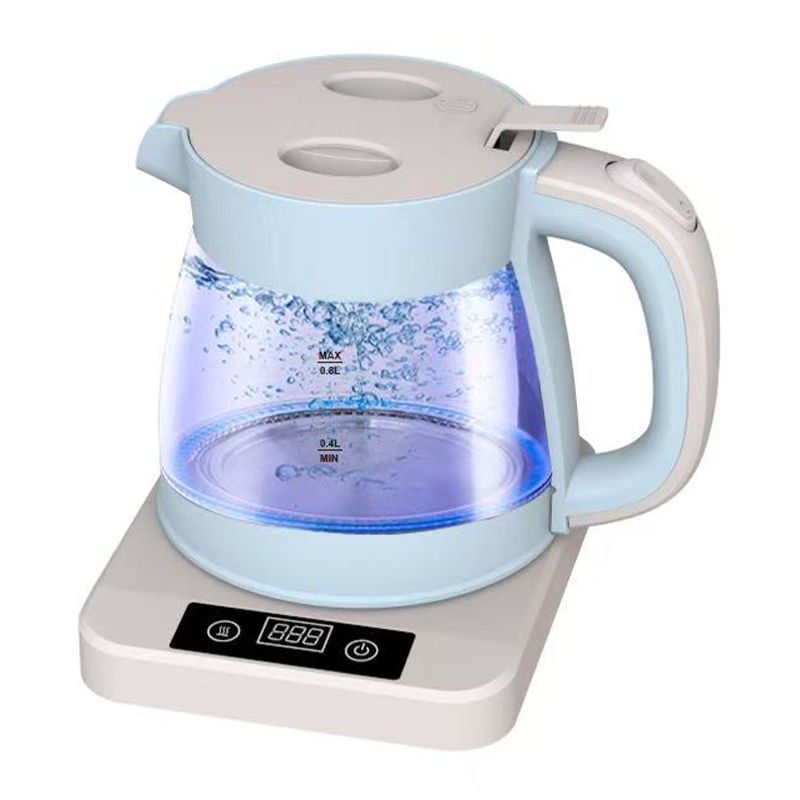
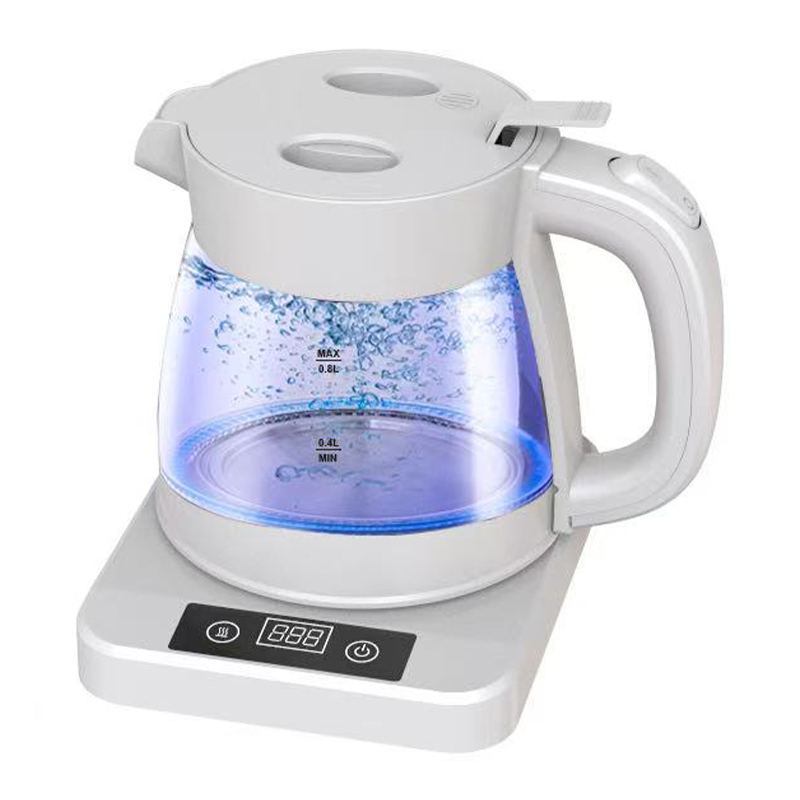
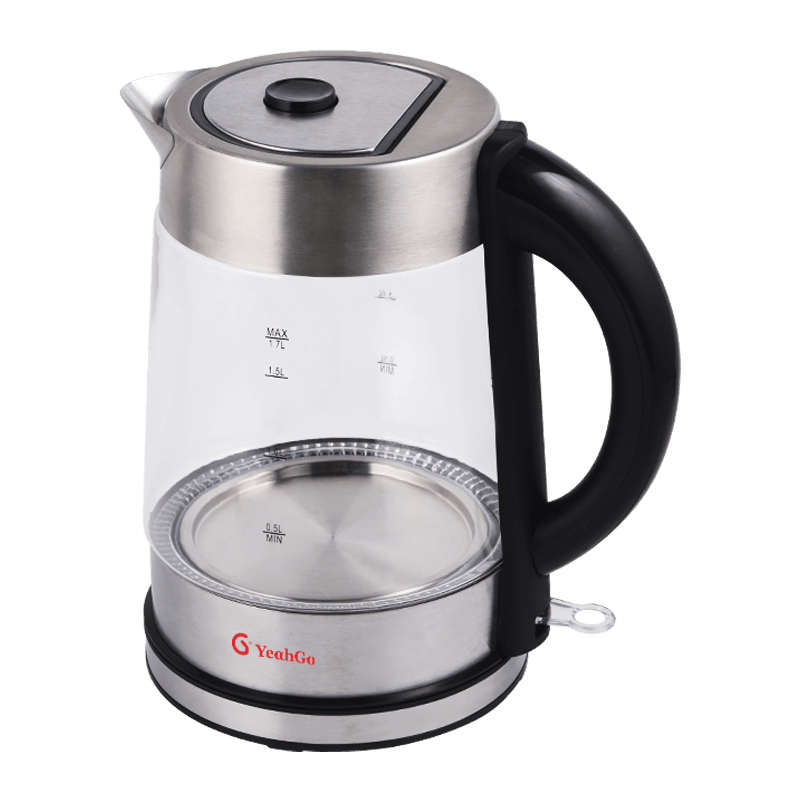
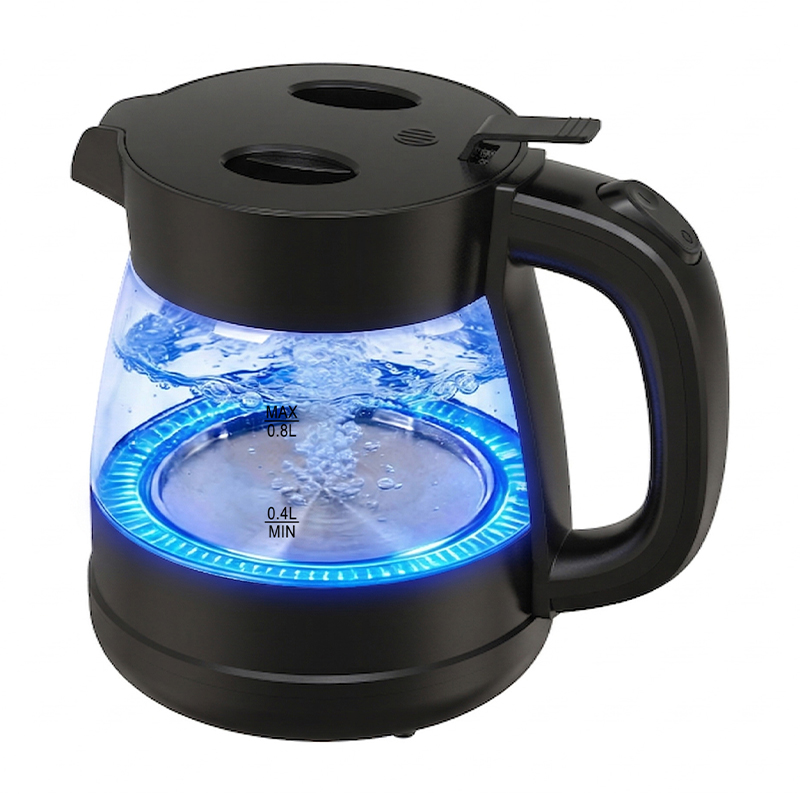
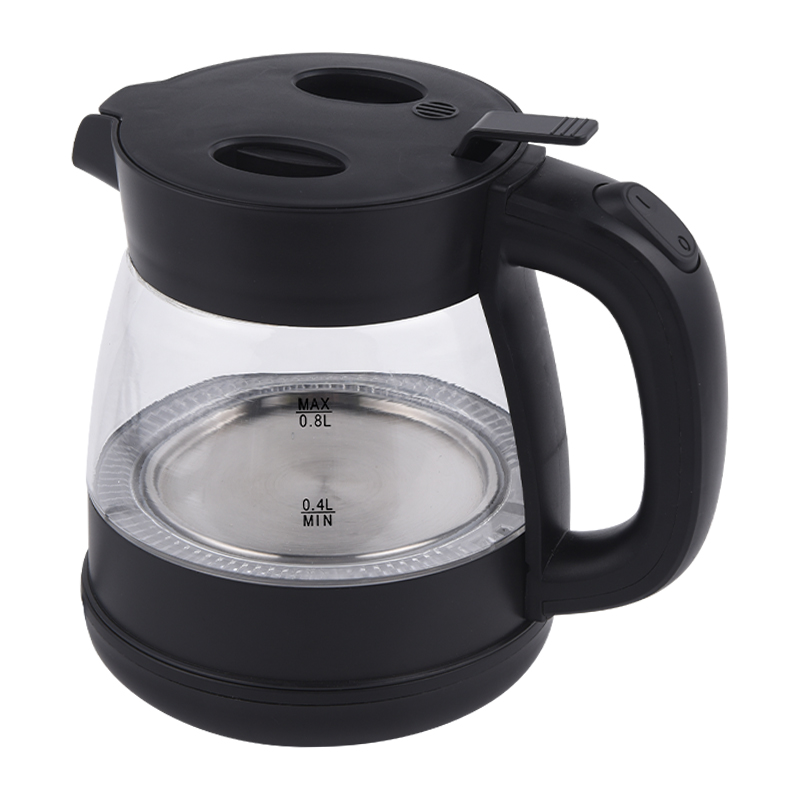
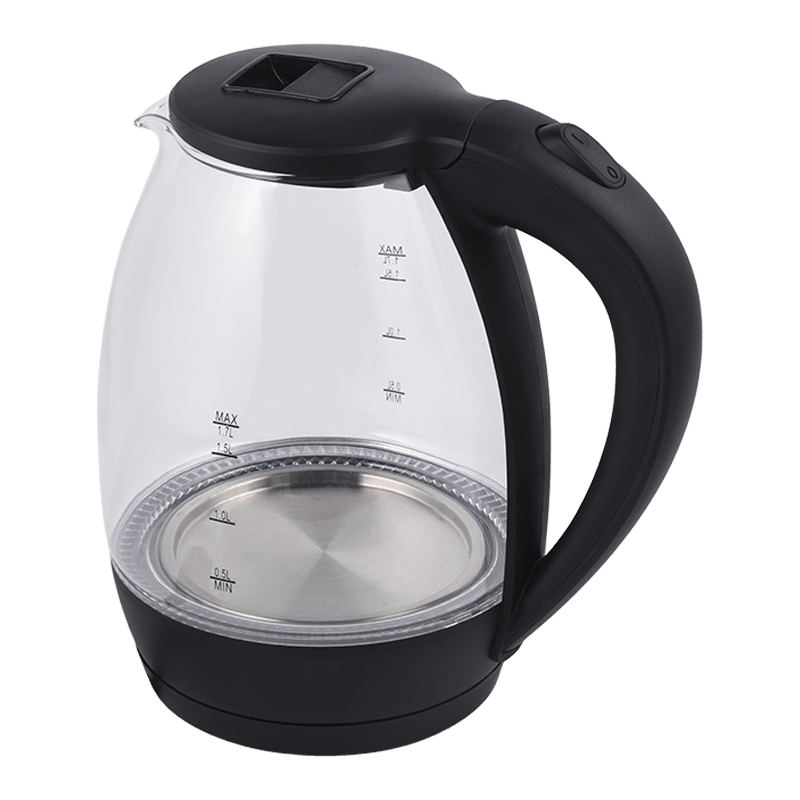
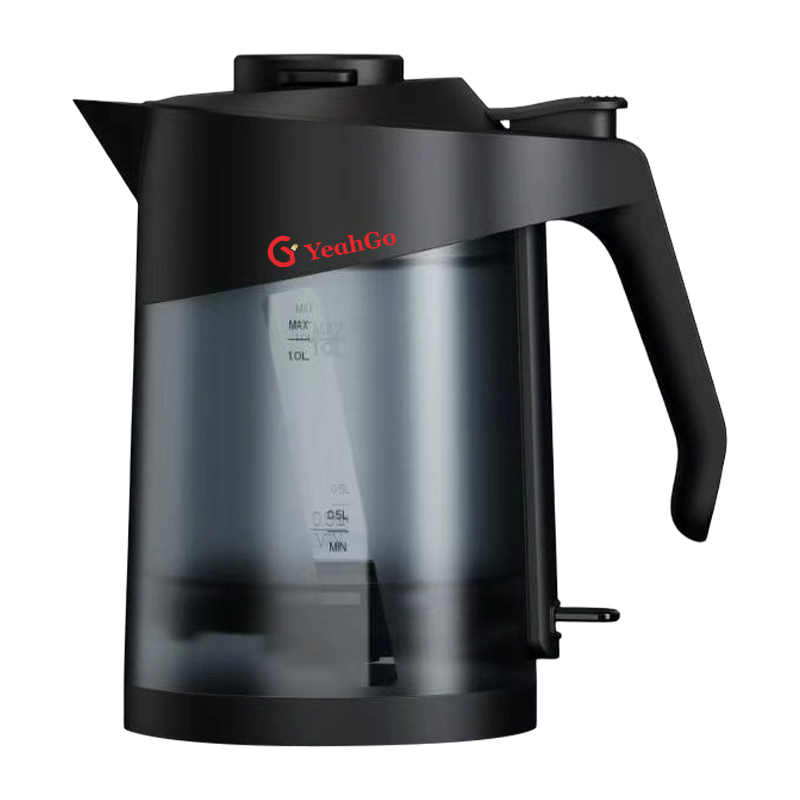
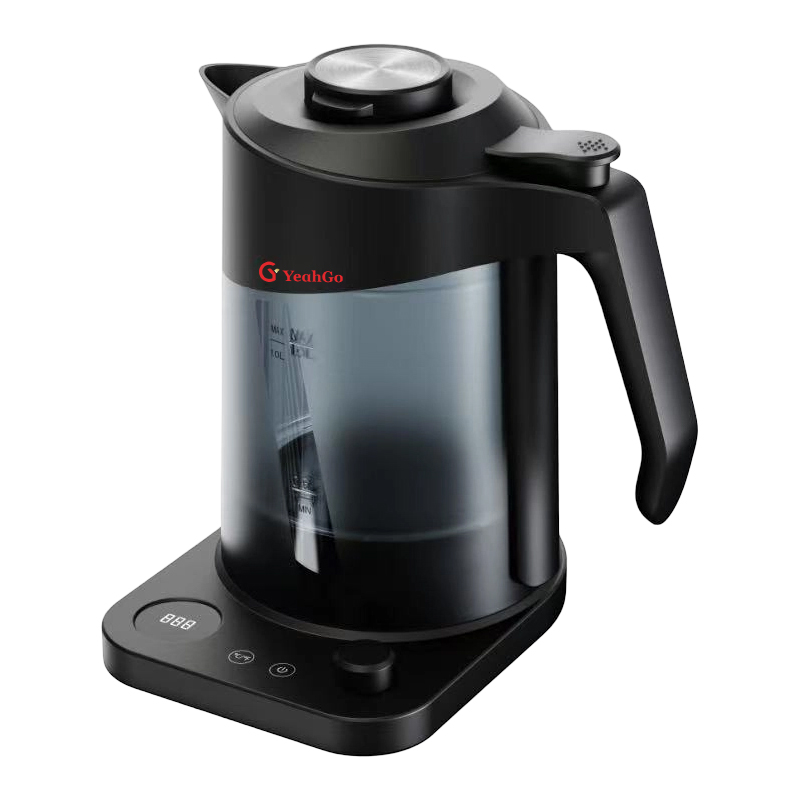
Electric kettles are essential appliances for rapidly heating water in modern homes, offices, and commercial settings. With core features such as fast heating, easy operation, safety, energy efficiency, and strong practicality, they have completely replaced traditional water-heating tools. This category includes five core products: glass kettles, plastic kettles, stainless steel kettles, anti-tilt kettles, and wine warmers. They cover a variety of needs, including daily water boiling, beverage brewing, safety protection, and specialized wine warming, catering to different users, scenarios, and preferences. They combine practicality, safety, and functionality to comprehensively meet the daily needs of the general public for hot water consumption and beverage heating.
Product Catalogue
development: 2018- Future
Simple Elegant Design, Trustworthy Quality Appliances.
-
0㎡
Factory Area
-
0+
Number of Employees
-
0+
Industry Experience
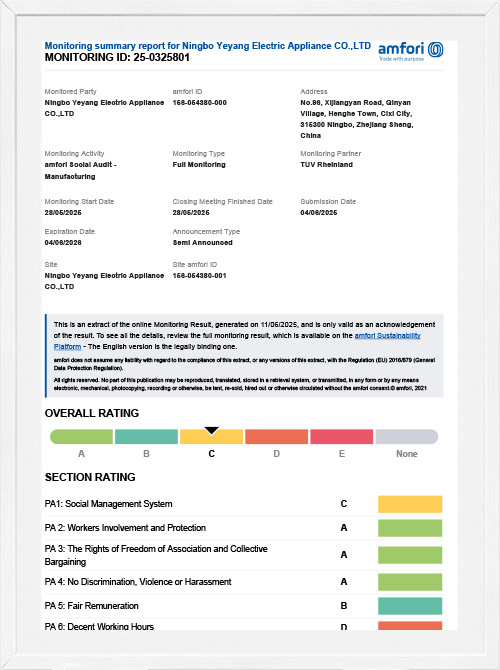
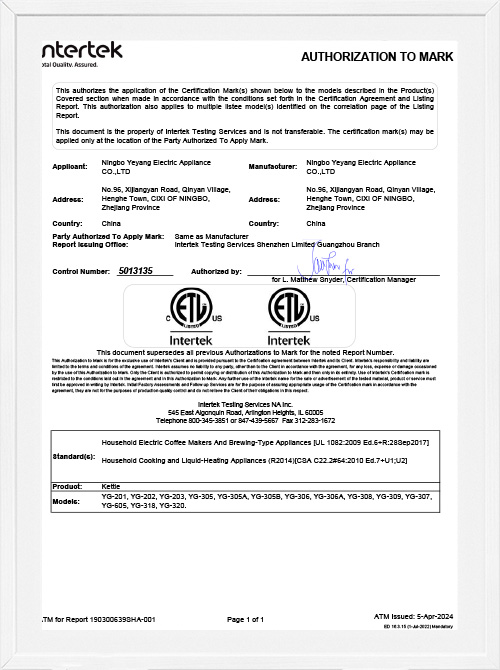
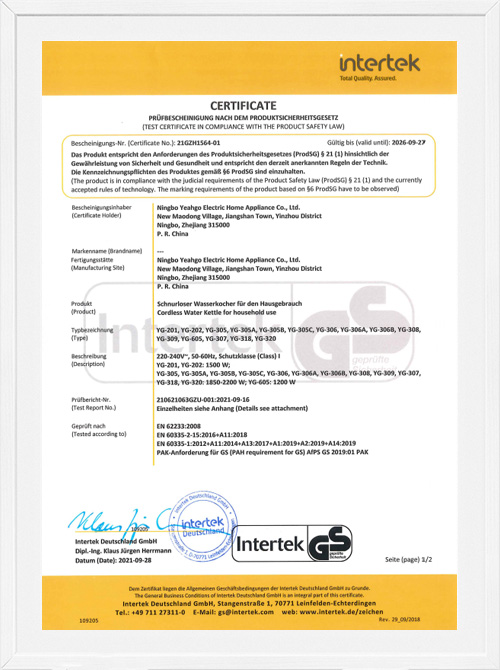
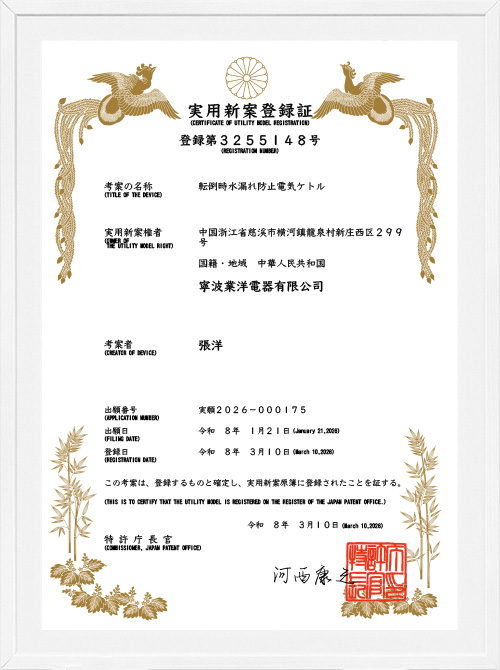
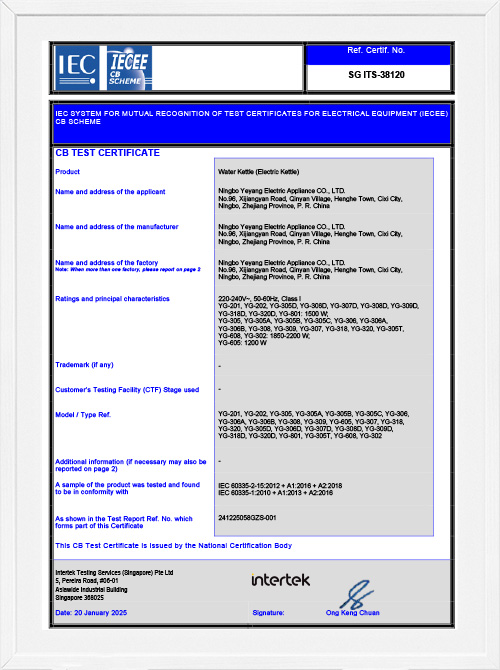
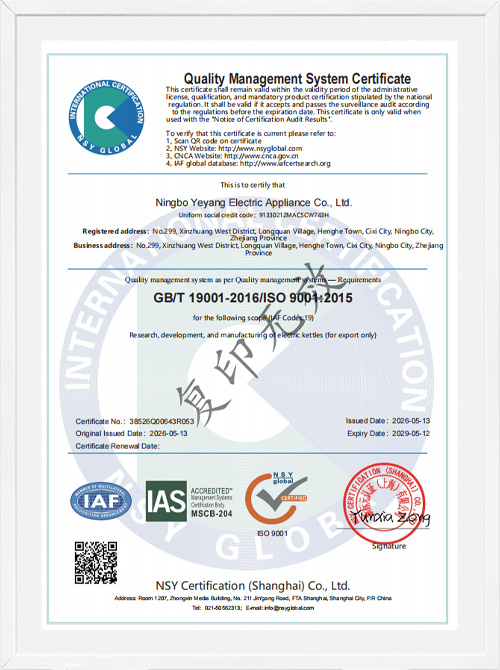
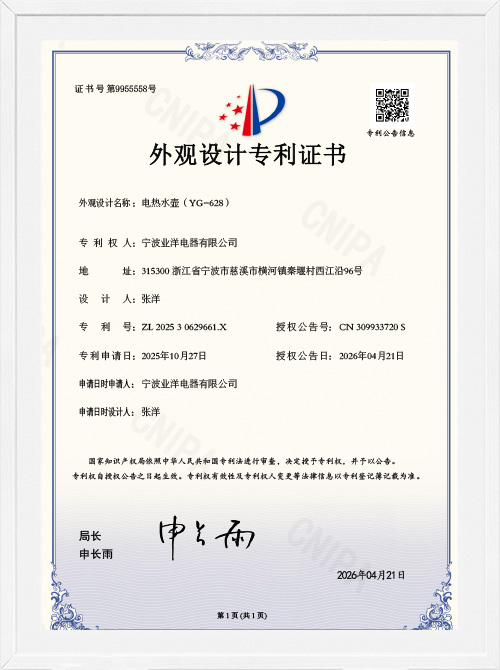
Ningbo Yeyang Electric Appliance Co., Ltd. (YeahGo), founded in 2018 and located in Ningbo City, Zhejiang Province, is a professional electric appliance manufacturer integrating R&D, production, and export. The company places great emphasis on craftsmanship and quality, with product designs that are simple yet elegant. Its main markets include Europe, North America, Japan, and the Middle East. The company holds multiple patents and has obtained international certifications such as GS, CE, BSCI, ETL, RoHS, PSE, CB, and ISO. Guided by the corporate spirit of "professionalism, sincerity, hard work, and gratitude," YeahGo is a China Travel Electric Kettle Supplier and OEM/ODM Hot Water Tea Kettle Factory, committed to building an enterprise trusted by customers and beloved by employees, and has established a solid reputation within the industry.
 Oct 29, 2026

Electric Kettle Industry knowledge
What B2B Buyers Should Know Before Sourcing an Electric Kettle
A well-made ELectric Kettle for the wholesale or private-label market comes down to four things: safety protection, reliable certifications, consistent build quality, and a supplier that can adapt the design to your market. Retail shelves are crowded, so the products that earn repeat orders are the ones that boil quickly, shut off on their own, feel solid in the hand, and arrive with the compliance papers your customs broker and retail partners expect. Looks matter, but a kettle that fails a safety audit or generates after-sales complaints costs far more than any saving made at the sourcing stage.
This is why many importers, brand owners, and hospitality suppliers choose to work directly with a Chinese Electric Kettle Manufacturer that controls design, tooling, assembly, and testing under one roof. In the sections below, we walk through what buyers usually rank as most important, how heating performance varies by capacity, which markets call for which certifications, and how Japanese-style, travel, and tea-oriented models differ. The goal is simple: help you shortlist the right product type and ask the right questions before a sample is ever requested.
The Sourcing Criteria Buyers Rank Highest
When procurement teams compare suppliers, the same handful of criteria appear again and again. The horizontal bar chart below shows an indicative importance index, scaled from 0 to 100, based on the priorities commonly raised by importers and brand owners during supplier evaluations. Safety certifications and boil-dry protection reliability sit at the top because they directly affect market access and product liability. Food-contact material compliance follows closely, since the water touches the interior surfaces every single time the kettle is used. Delivery consistency, OEM/ODM flexibility, and packaging round out the list, and these are often the factors that decide which supplier wins a long-term contract once the technical requirements are met. Treat the chart as a planning aid rather than a fixed ranking, because every sales channel weighs these items a little differently.
The practical lesson is that the top three items are technical and testable, while the bottom three are about how well a supplier works with you. A good Chinese Electric Kettle Factory will be able to show test reports for the first group and a clear process for the second, including sample approval steps, production scheduling, and packaging proofing.
How Capacity Changes Heating Time
Capacity is one of the first specifications a buyer chooses, and it has a direct effect on how long users wait for hot water. The line chart below shows an illustrative temperature rise for three common capacities, 0.8 L, 1.2 L, and 1.7 L, assuming a typical 1500 W heating element and room-temperature starting water of about 20 degrees Celsius. The smaller kettle reaches boiling in roughly four minutes, while the mid-size model gets there at about the five-minute mark. The larger 1.7 L kettle is still climbing at five minutes, which is normal because the same power has more water to heat. These curves are simplified, and real results depend on element design, voltage, lid sealing, and starting water temperature, but the pattern is reliable enough to guide product planning.
For B2B customers, this chart explains why capacity should follow the use case. Hotel rooms and personal-use retail lines tend to favor 0.8 L to 1.2 L for quick boils and compact storage, while family and office products lean toward 1.5 L to 1.8 L for fewer refills. A supplier who can offer several capacity options on a shared platform makes range planning easier and keeps tooling investment manageable.
Target Markets and the Certifications They Expect
Where the kettle will be sold decides which certifications and design details matter. The column chart below shows an indicative split of export order focus across four major regions, based on common patterns in small household appliance trade. Europe takes the largest share, where GS and CE marking, RoHS compliance, and tidy packaging documentation are routine requirements. North America follows, with ETL listing and plug and voltage adaptation as the main concerns. Japan accounts for a meaningful portion as well, and buyers there expect PSE compliance along with a high standard of finish and safety behavior. The Middle East rounds out the picture, where larger capacities and robust build for frequent daily use are often preferred. Because requirements differ, a supplier with experience across these regions can save you repeated redesign rounds.
The takeaway is that a single design can often be adapted for several regions, but the adaptation involves plugs, labeling, manuals, and sometimes element wattage. Asking early which certificates a factory already holds, and which it can pursue for your channel, is one of the most useful questions in the first conversation.
Japanese-Style Safety Kettles Compared with Travel Kettles
Two product types come up often in buyer briefs: the Japanese electric kettle style, valued for its refined finish and careful safety behavior, and the compact Travel electric kettle, built for portability. The radar chart below compares a Japanese safe electric kettle with a travel model across five dimensions: safety features, temperature control, capacity, portability, and design finish. The Japanese-style kettle reaches further on safety, temperature control, and finish, reflecting features such as auto shut-off, boil-dry protection, cool-touch exteriors, and in some designs selectable temperature steps. The travel kettle reaches furthest on portability, thanks to its small footprint, foldable or compact body, and lighter weight. Neither shape fills the whole chart, which is exactly the point: each product serves a different buyer, and a balanced range often includes both.
For a retailer, the chart suggests a simple range strategy: position the Japanese-style model as the premium everyday option and the travel model as an add-on for commuters, frequent flyers, and gift sets. For hospitality buyers, a compact travel-style unit can also double as a guest-room amenity where counter space is limited.
Matching Kettle Types to Customer Segments
Product planning gets easier when each kettle type is tied to a clear customer segment. A Hot Water Tea Kettle with a gooseneck spout and precise temperature control suits tea and coffee enthusiasts, while a standard stainless or glass body suits mainstream household lines. The table below summarizes how common types line up with segments and the features buyers usually ask about.
Product Type Reference for Range Planning
| Kettle Type | Typical Segment | Feature Focus |
|---|---|---|
| Standard Electric Kettle | Mainstream household retail | Auto shut-off, 1.5 to 1.8 L capacity |
| Japanese Safe Electric Kettle | Quality-focused home and gift channels | Cool-touch body, boil-dry protection, refined finish |
| Travel Electric Kettle | Travel retail, commuters, hotels | Compact or foldable body, dual-voltage options |
| Hot Water Tea Kettle | Tea and coffee enthusiasts, cafes | Temperature presets, gooseneck spout, keep-warm |
Before approving a design for a new market, procurement teams usually run through a short checklist:
- Confirm the plug type, voltage, and wattage for each destination country.
- Request material declarations for stainless steel, glass, and plastic parts that touch water.
- Review the auto shut-off and boil-dry protection test records.
- Check that the manual, labels, and packaging meet local language and marking rules.
- Approve a pre-production sample before releasing the full order.
Where Quality Control Effort Goes in Kettle Production
Quality in a kettle is built into the process rather than inspected in at the end. The donut chart below shows an indicative split of inspection effort across the main control areas in a typical production flow. Safety and electrical testing takes the largest slice, covering insulation, grounding, and function checks on every unit or on a defined sampling plan. Heating element and boil-dry protection checks come next, since these parts determine whether the kettle behaves safely when something goes wrong. Materials and food-contact checks, appearance inspection, and packaging verification make up the remainder. Seeing the effort laid out this way helps buyers ask smarter audit questions, such as how the factory samples electrical tests and how it records results for later traceability.
A Chinese Electric Kettle Manufacturer with documented procedures in each of these areas makes it easier for your own quality team, or a third-party inspector, to verify results. Batch records, sample retention, and clear corrective action steps are good signs of a mature operation.
Working with an OEM/ODM Partner from Concept to Shipment
A smooth project usually follows a predictable path. It starts with a brief covering target market, capacity, power, materials, and branding. The factory then proposes a design or adapts an existing platform, followed by sample making, testing, and revisions. After sample approval, tooling and pilot production confirm that the design holds up at volume. Mass production and final inspection come next, and the project closes with packing, documentation, and shipping coordination.
What helps most on the buyer side is a clear specification and early alignment on certification scope. What helps most on the factory side is in-house engineering that can react quickly when a sample needs a tweak, whether that means a spout redesign, a different lid hinge, or a modified switch position. A responsive Chinese Electric Kettle Factory treats these revisions as normal and keeps the buyer informed with photos, test data, and revised drawings at each step.
About Ningbo Yeyang Electric Appliance Co., Ltd. (YeahGo)
Ningbo Yeyang Electric Appliance Co., Ltd. (YeahGo) is a China OEM/ODM Small Household Appliances Manufacturer and Small Home Appliances Factory, founded in 2018 and located in Ningbo City, Zhejiang Province, is a professional electric appliance manufacturer integrating R&D, production, and export. The company places great emphasis on craftsmanship and quality, with product designs that are simple yet elegant. Its main markets include Europe, North America, Japan, and the Middle East.
The company holds multiple patents and has obtained international certifications such as GS, CE, BSCI, ETL, RoHS, PSE, CB, and ISO. Guided by the corporate spirit of "professionalism, sincerity, hard work, and gratitude," YeahGo is committed to building an enterprise trusted by customers and beloved by employees, and has established a solid reputation within the industry. For buyers looking for an electric kettle partner that understands both design and compliance, this combination of in-house R&D and export experience offers a practical starting point.
Frequently Asked Questions
Q1: What certifications are commonly needed for an electric kettle?
A1: It depends on the destination. Europe commonly calls for GS or CE and RoHS, North America for ETL, and Japan for PSE, with CB reports and ISO or BSCI audits often requested by retail partners.
Q2: What makes a Japanese safe electric kettle different from a standard model?
A2: It typically emphasizes safety behavior and finish, with features such as auto shut-off, boil-dry protection, cool-touch surfaces, and sometimes selectable temperature settings.
Q3: Can a travel electric kettle be customized for hotel or retail programs?
A3: Yes. Color, logo, packaging, voltage options, and accessory sets can usually be adapted under an OEM/ODM arrangement, subject to the design and certification scope.
Q4: Who should consider a hot water tea kettle with temperature presets?
A4: Tea and coffee focused retailers, cafes, and gift channels often choose it, since different drinks are brewed at different water temperatures.
Q5: How should a buyer evaluate a kettle factory before placing an order?
A5: Review certification documents, test records, sample quality, and communication responsiveness, and consider a factory audit or third-party inspection before mass production begins.
Integrated R&D, production and export full industrial chain.
Quick Link
Product
Contact Information
-
Tel:86-139 5829 1543
-
E-mail:ken@nbyeyang.net
-
Address: No. 299, Xinzhuang West District, Longquan Village, Henghe Town, Cixi City, Zhejiang Province, China
Copyright © Ningbo Yeyang Electric Appliance Co., Ltd. All Rights Reserved Travel Electric Kettle Supplier OEM/ODM Hot Water Tea Kettle Factory
