
 English
 Español
 Deutsch
 عربى


Electric Steam Mop Cleaner Manufacturer
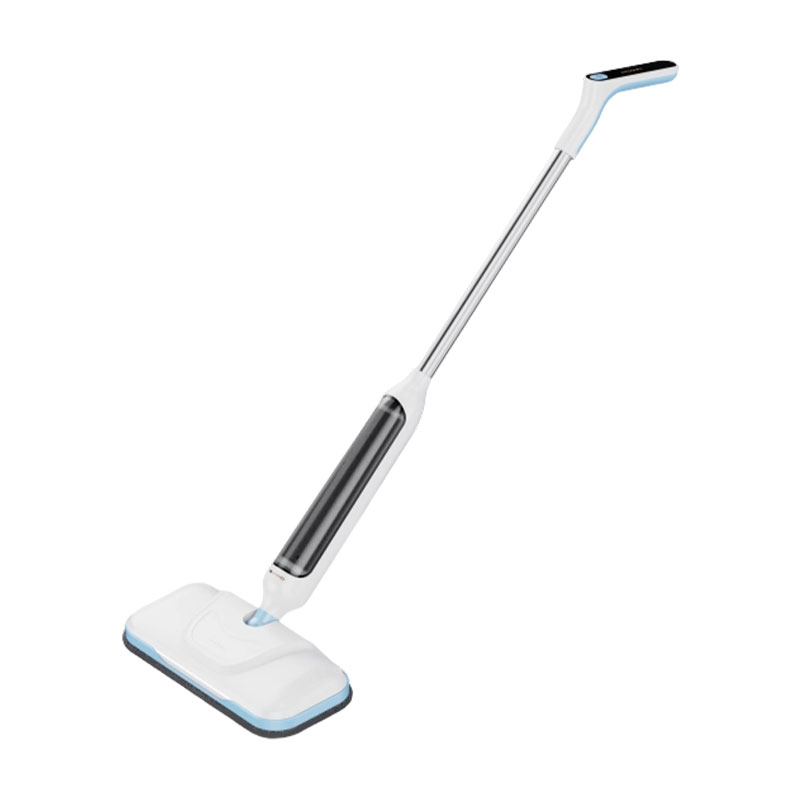
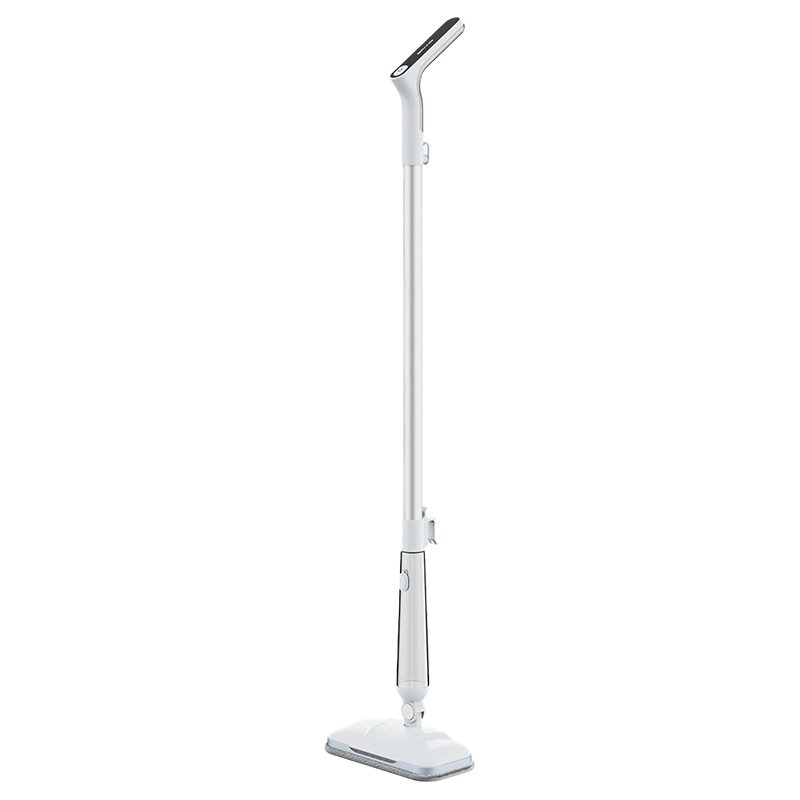
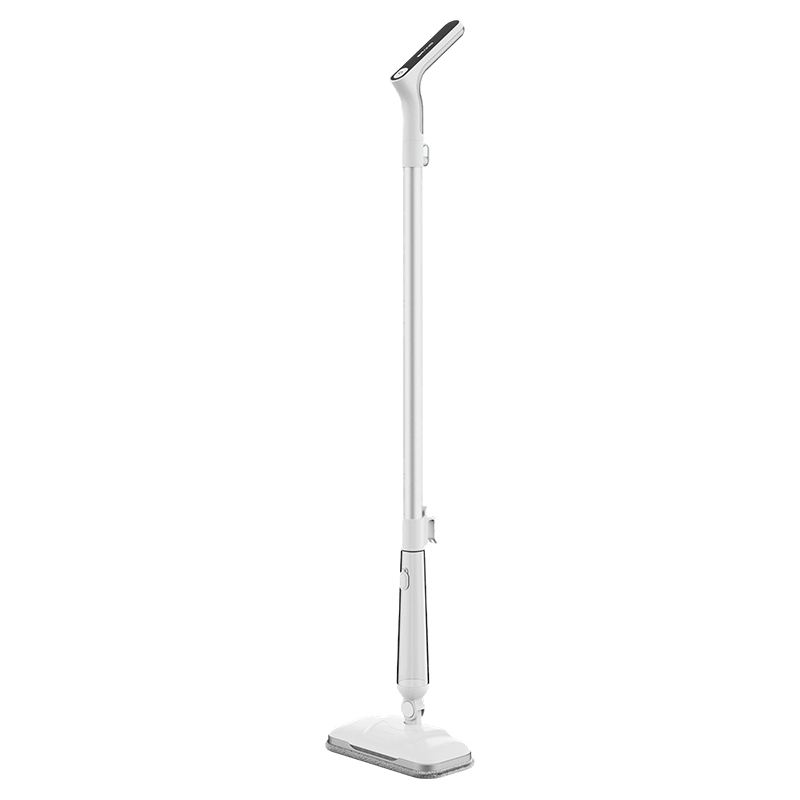
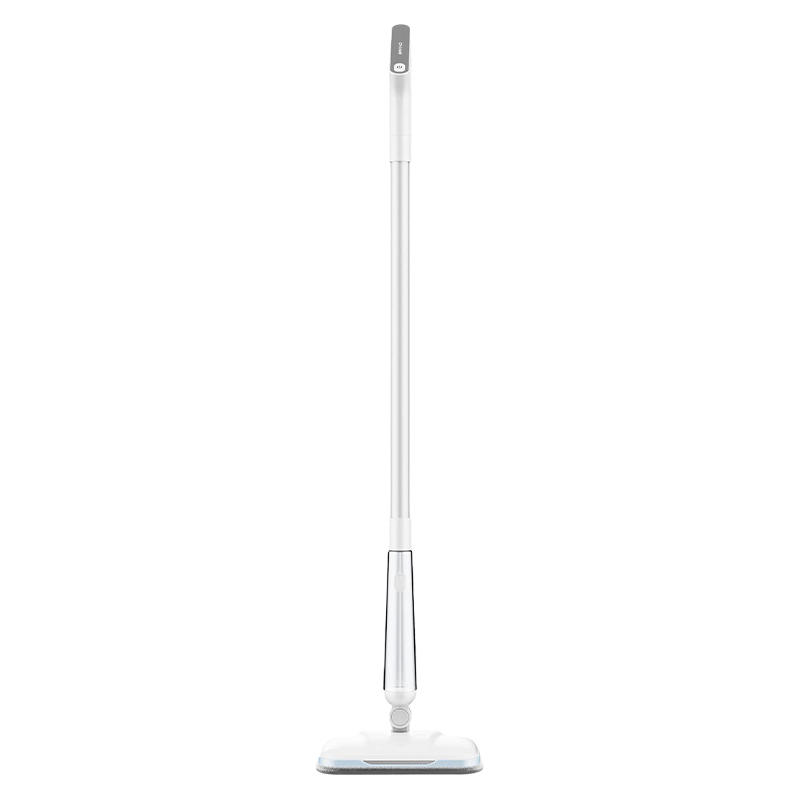
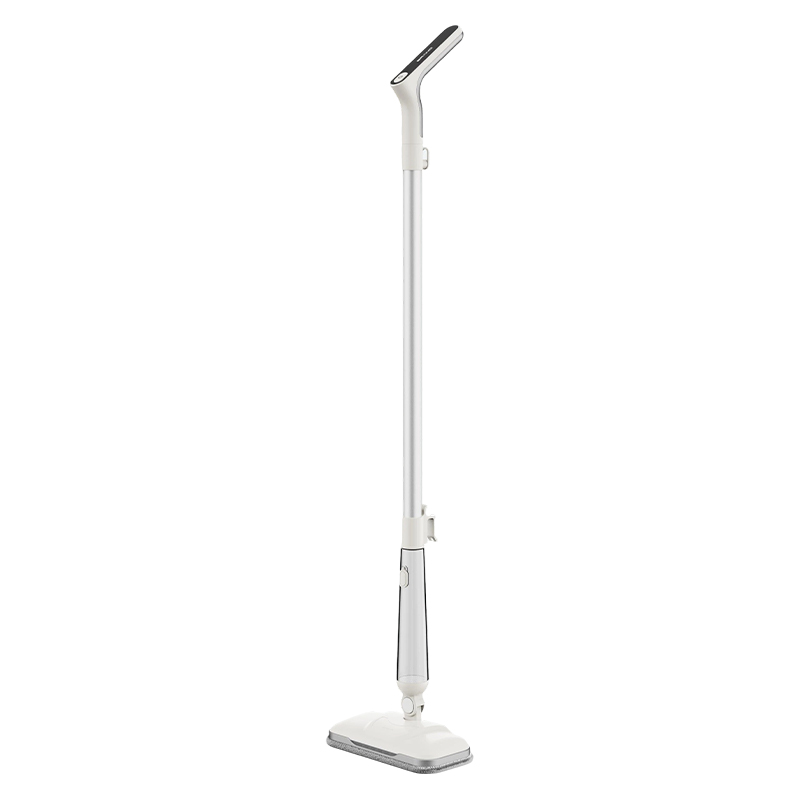
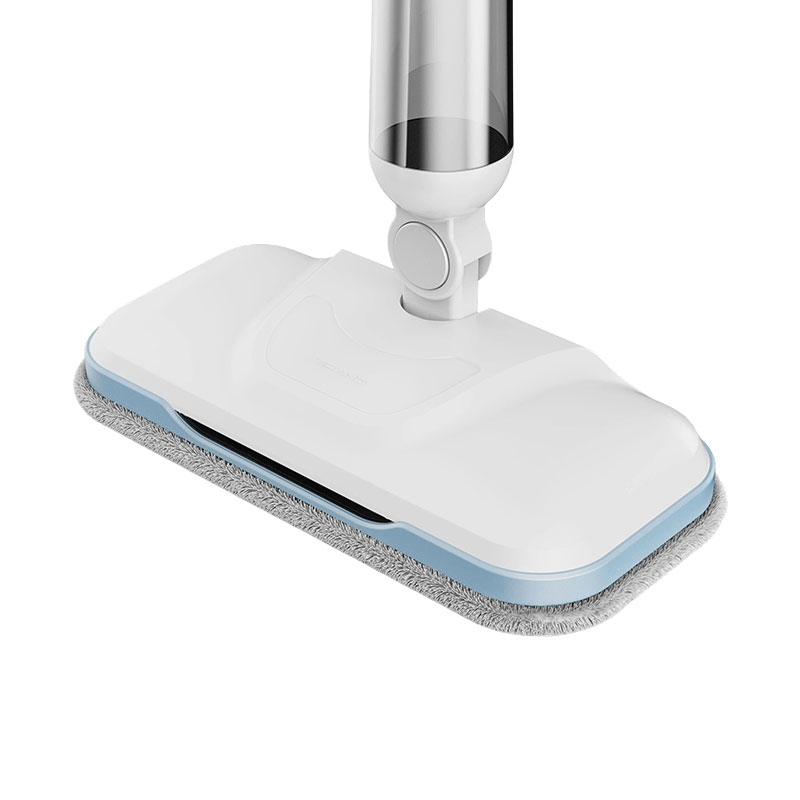
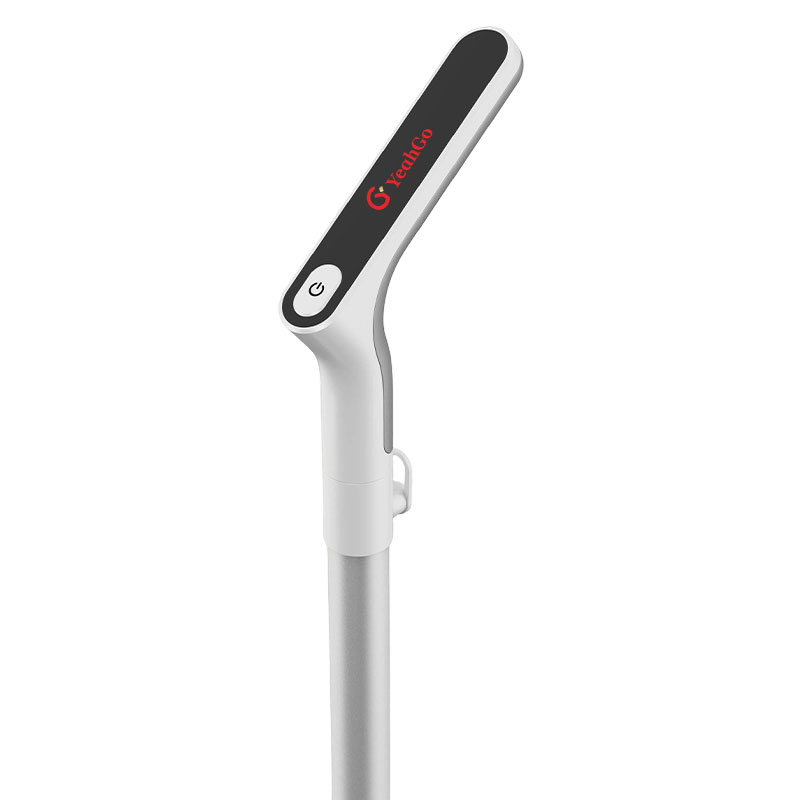
A steam mop is a floor-cleaning tool designed specifically for floors, with an ergonomic mop-style long handle. It has a mop pad base at the bottom, and the water tank is integrated into the handle. High-temperature steam reaches the mop for deep cleaning, killing germs and dissolving floor grease at the same time. The handle height is adjustable and comes with a non-slip grip. Some models feature self-cleaning, multiple steam settings, and wet-dry separation. It's specially designed for floors and tile surfaces, combining mopping with floor sanitization, replacing traditional mops, and handling both wet and dry messes at once.
Product Catalogue
development: 2018- Future
Simple Elegant Design, Trustworthy Quality Appliances.
-
0㎡
Factory Area
-
0+
Number of Employees
-
0+
Industry Experience
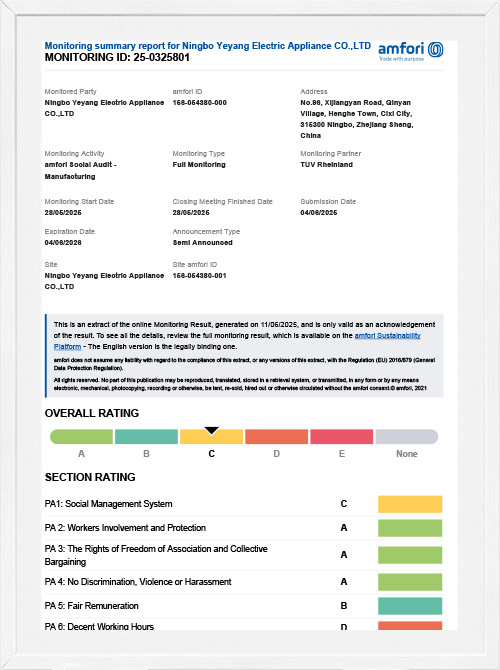
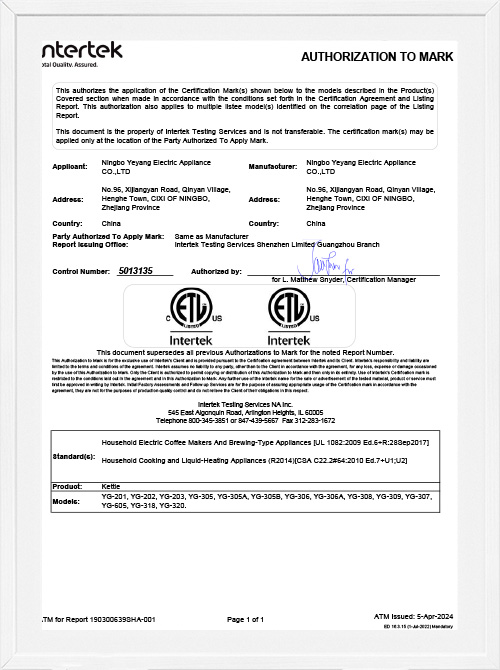
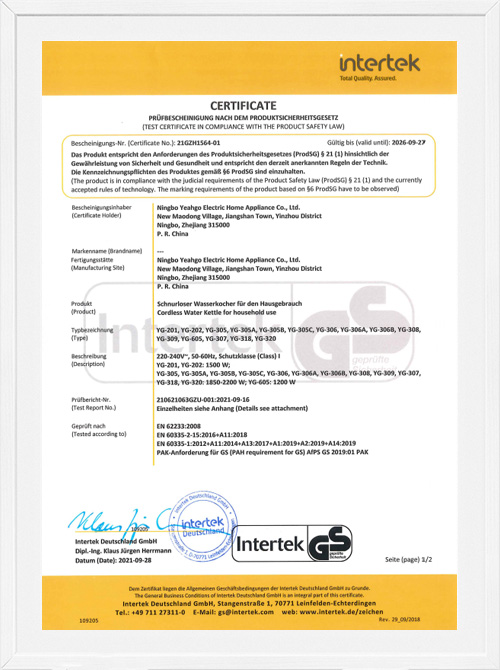
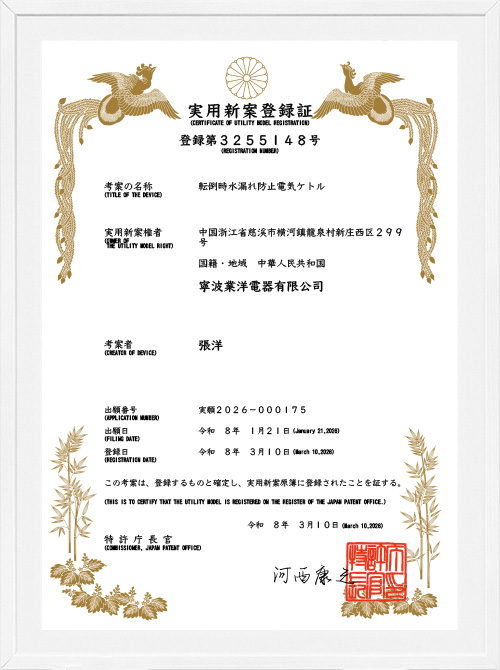
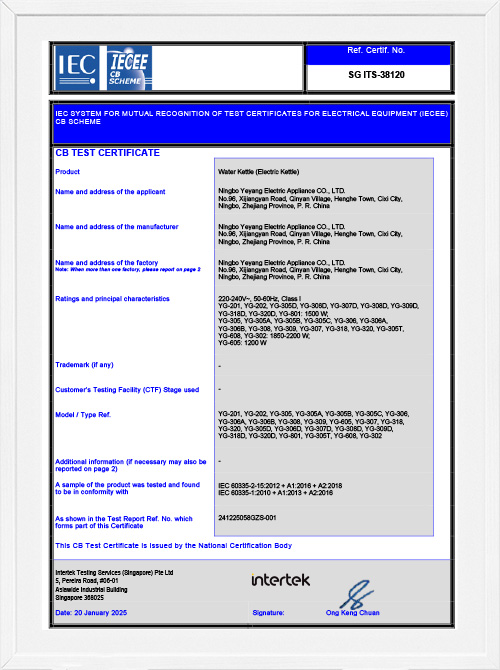
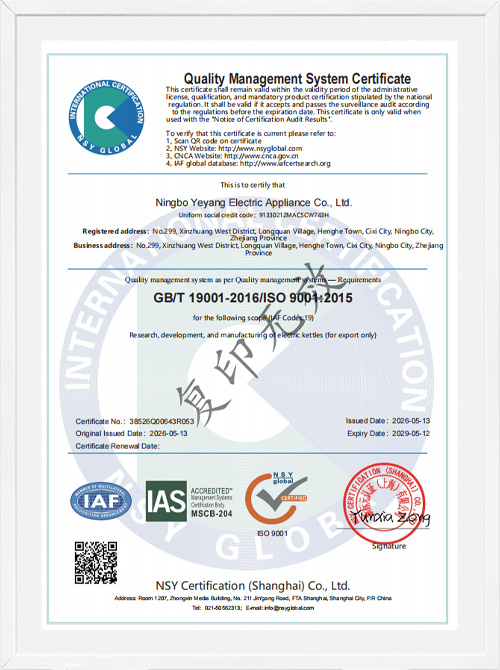
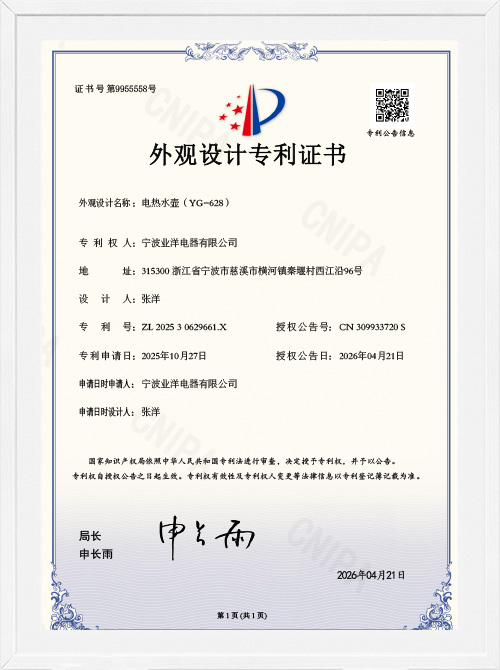
Ningbo Yeyang Electric Appliance Co., Ltd. (YeahGo), founded in 2018 and located in Ningbo City, Zhejiang Province, is a professional electric appliance manufacturer integrating R&D, production, and export. The company places great emphasis on craftsmanship and quality, with product designs that are simple yet elegant. Its main markets include Europe, North America, Japan, and the Middle East. The company holds multiple patents and has obtained international certifications such as GS, CE, BSCI, ETL, RoHS, PSE, CB, and ISO. Guided by the corporate spirit of "professionalism, sincerity, hard work, and gratitude," YeahGo is a China Electric Steam Mop Cleaner Manufacturer and Custom Floor Steam Mop Factory, committed to building an enterprise trusted by customers and beloved by employees, and has established a solid reputation within the industry.
 Oct 29, 2026

Steam mop Industry knowledge
What Buyers Should Know Before Sourcing a Steam Mop
The short answer for importers, retailers, and brand owners is this: a Steam mop cleans hard floors with hot vapor and a washable pad, which lets households skip most floor chemicals and finish the job in one pass. The products that sell steadily are the ones where the heater, water tank, pad head, and safety controls are designed as one system and tested against the rules of each destination market.
This article is written for sourcing teams rather than end users. It compares floor cleaning methods, explains how an electric steam mop heats and delivers steam, shows which surfaces the category suits, and outlines what to expect when working with a Chinese Steam Mop Manufacturer or a Chinese Steam Mop Factory. The charts use illustrative index values to make comparisons easier to read, so they should be treated as a planning aid rather than test results for any single product.
How a Floor Steam Mop Compares With Traditional Floor Cleaning
Retail buyers often ask how a floor steam mop stacks up against the tools it replaces. The horizontal bar chart below scores three approaches on a 0-100 cleaning efficiency index, which reflects how quickly a room can be cleaned, how evenly the surface is covered, and how much effort the user needs.
The electric steam mop scores highest because it combines heat, moisture, and a flat pad in a single motion. A traditional bucket needs water changes, wringing, and often a second pass to remove streaks. A spray mop reduces some of that effort, but it still relies on cleaning liquids and disposable or rewashable pads that can leave residue. With steam, the heat loosens dried spills and the pad lifts them in one pass, which shortens routine cleaning. For a brand, this gives a clear shelf message: less setup, fewer products to buy, and a simple routine that fits into a busy week.
How a Steam Mop Cleaner Works
A steam mop cleaner heats water from a refillable tank until it turns into vapor, then releases that vapor through the pad head onto the floor. The pad spreads the heat and absorbs loosened dirt, and many models let users wash and reuse it. Because the whole process depends on controlled heat and pressure, the quality of each internal part has a direct effect on both results and user safety.
Key Components That Shape Performance
- Heating element: sets how quickly the unit reaches working temperature and how steadily it holds it.
- Water tank and seals: determine run time and reduce the risk of leakage during use.
- Steam control and valve: manages output so the floor receives enough heat without becoming overly wet.
- Pad head and swivel joint: decide how well the mop covers corners, edges, and furniture gaps.
- Power cord, thermal protection, and auto shut-off: provide the safety layer retail markets increasingly expect.
When a manufacturer designs these parts together, rather than sourcing each one separately, the finished steam mop tends to behave more predictably across its working life.
How Power Rating Affects Heat-Up Time
Power rating is one of the first specifications a buyer sees, and it has a direct effect on how long users wait before they can start cleaning. The line chart below shows estimated heat-up time at different power levels, from 900 W to 1,400 W, for a typical tank size.
Heat-up time falls from about 45 seconds at 900 W to about 20 seconds at 1,400 W, and the curve flattens as power increases. That flattening matters, because the gain from each extra 100 W becomes smaller while the load on the housing, cord, and socket becomes larger. A mid-range rating often gives the most balanced result, with a short wait and a comfortable safety margin for the internal parts. Buyers selling into markets with different mains voltages should also check how the rating changes between regions, since the same heater can behave differently at 120 V and 230 V. When comparing suppliers, it is worth asking how heat-up time was measured and what tank fill level was used.
Which Floors Suit an Electric Steam Mop
Surface compatibility is the most common question on retail product pages. The column chart below shows how often different floor types are mentioned as intended use cases, on an illustrative percentage scale.
Tile leads at 90%, because sealed tile and grout tolerate heat and moisture well and benefit most from steam. Laminate and vinyl follow, though these surfaces are more sensitive, so product pages usually include a steam level control and a reminder to follow the flooring maker's guidance. Sealed wood and stone appear less often, since each has its own care rules and users tend to be more cautious. For a brand, this spread suggests including an adjustable steam setting and clear surface guidance in the manual, which reduces misuse and the support requests that come with it. A manufacturer that can test pad materials and steam levels on several floor types will help keep that guidance accurate.
Strengths and Trade-offs Across Six Dimensions
No steam mop is strongest in every area, and it helps to see where the trade-offs sit before finalizing a specification. The radar chart below maps six dimensions for a well-engineered electric steam mop on a 0-100 scale.
Safety and ease of use score highest, which matches how household appliances are judged in retail: a product has to be simple to operate and pass electrical and pressure checks before anything else matters. Floor coverage also scores well, since a flat, swiveling pad head reaches most of a room without much effort. Durability and heat-up speed sit in the middle, reflecting the balance between a robust heater and a short wait. Quiet operation sits lowest, because the pump and heater produce some sound that is hard to remove entirely. Buyers targeting apartments or night-time cleaning can ask for design changes that address this area, while accepting that other dimensions may shift slightly. Reading the profile as a whole helps teams decide where to focus development effort.
Choosing Between Steam Mop Configurations
Most steam mop lines are built around a few core configurations, and each one suits a different customer. The table below summarizes the points buyers usually clarify early in a project.
Configuration Overview
| Configuration | Key Technical Focus | Typical Buyer Question |
|---|---|---|
| Standard upright steam mop | Pad head, tank size, steady steam flow | How long does one tank last in normal use? |
| Convertible mop and handheld | Detachable body, attachment range | Which attachments are included in the standard kit? |
| Adjustable steam model | Multi-level steam control, surface guidance | How are settings matched to different floor types? |
| Compact lightweight model | Reduced weight, easy storage, short cord | What is the cord length and tank capacity? |
Settling these questions at the start shortens development time, since the manufacturer can match tooling, materials, and testing plans to the right configuration from the first sample round.
Working With a Chinese Steam Mop Manufacturer or Factory
For international buyers, a Chinese Steam Mop Manufacturer is attractive mainly because of the supply chain around it: heating elements, plastic tooling, pad materials, packaging, and testing facilities are often located within a short distance of each other. A Chinese Steam Mop Factory that integrates design, tooling, and assembly can usually move from concept to sample faster than a trading intermediary that outsources each step.
A Typical OEM/ODM Project Flow
- Requirement review: target market, power rating, tank size, accessories, voltage, and plug type are agreed.
- Design and sampling: the manufacturer adapts an existing platform or develops a new body and produces samples.
- Testing and certification: electrical safety, thermal, and leakage tests are carried out, and documents are prepared for the destination market.
- Pre-production approval: the buyer signs off on a final sample before mass production begins.
- Production and shipment: units are assembled, inspected, and packed for export.
A manufacturer that documents each stage clearly makes it easier for buyers to track progress and plan launches. Clear written specifications at the start are the most reliable way to avoid rework between the sample and production stages.
What to Ask Before Committing to a Project
Spec sheets across suppliers can look alike, so the questions below help separate factories with real engineering depth from trading intermediaries.
- Which certifications are currently held, and can the documents be reviewed for the specific model being discussed?
- Can design changes such as steam levels, tank size, pad shape, voltage, or housing be handled in-house?
- How are thermal, leakage, and electrical tests recorded between production batches?
- What replacement pads and spare parts are available for distributors and after-sales teams?
- How is export packaging designed to limit damage on long shipping routes?
A factory that answers these questions with documents rather than general statements is usually easier to work with over the long term.
About Ningbo Yeyang Electric Appliance Co., Ltd. (YeahGo)
Ningbo Yeyang Electric Appliance Co., Ltd. (YeahGo) is a China OEM/ODM Small Household Appliances Manufacturer and Small Home Appliances Factory, founded in 2018 and located in Ningbo City, Zhejiang Province. The company is a professional electric appliance manufacturer integrating research and development, production, and export, with an emphasis on craftsmanship, quality, and product designs that are simple yet elegant. Its main markets include Europe, North America, Japan, and the Middle East.
YeahGo holds multiple patents and has obtained international certifications such as GS, CE, BSCI, ETL, RoHS, PSE, CB, and ISO. Guided by the corporate spirit of "professionalism, sincerity, hard work, and gratitude," the company is committed to building an enterprise trusted by customers and valued by employees, and it has established a solid reputation within the industry.
Frequently Asked Questions
Q1: What is a steam mop typically used for?
A1: It is commonly used to clean sealed hard floors such as tile, vinyl, and laminate, using hot vapor and a washable pad instead of cleaning liquids.
Q2: Is an electric steam mop suitable for all floor types?
A2: Not always. Some surfaces are sensitive to heat and moisture, so users should follow the flooring maker's guidance and use a lower steam setting where the product allows it.
Q3: Can a Chinese Steam Mop Manufacturer support a private label?
A3: In many cases, yes. Manufacturers with OEM/ODM capability can adjust branding, accessories, colors, voltage, and packaging, and some can modify the underlying design.
Q4: Which certifications are commonly requested for export markets?
A4: Common examples include CE and GS for Europe, ETL for North America, PSE for Japan, and CB, RoHS, and ISO for broader compliance, depending on the product and destination.
Q5: How should end users care for a steam mop to keep performance steady?
A5: Washing the pads after use, descaling the tank as recommended, and checking the cord and seals for wear help keep steam output and safety performance consistent.
Integrated R&D, production and export full industrial chain.
Quick Link
Product
Contact Information
-
Tel:86-139 5829 1543
-
E-mail:ken@nbyeyang.net
-
Address: No. 299, Xinzhuang West District, Longquan Village, Henghe Town, Cixi City, Zhejiang Province, China
Copyright © Ningbo Yeyang Electric Appliance Co., Ltd. All Rights Reserved Electric Steam Mop Cleaner Manufacturer Custom Floor Steam Mop Factory
