
 English
 Español
 Deutsch
 عربى


Handheld steam cleaner Manufacturer
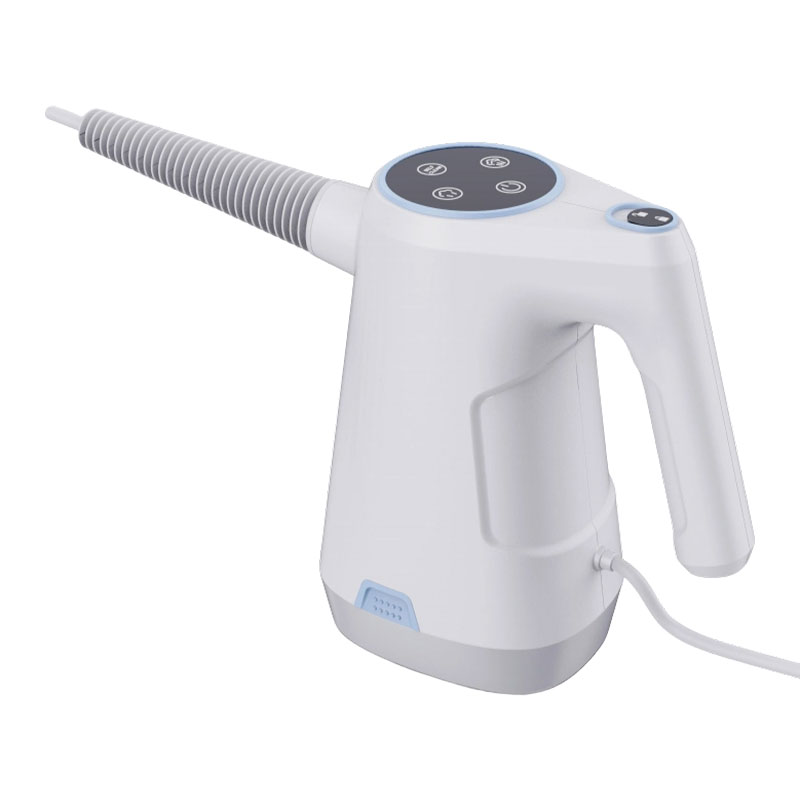
The handheld steam cleaner is a portable, all-in-one mini device. It's compact and lightweight, easy to operate with one hand. It comes with a built-in small heating chamber and mini water tank, and has an integrated short nozzle on the body, so there's no bulky main unit or long hoses. The device is designed to be lightweight, with a one-button steam function and adjustable steam levels. It also comes with a variety of mini cleaning attachments (gap brush, round brush, scraper, and garment ironing head), making it super flexible and easy to use in tight, high, or hard-to-reach spots. It's basically a portable, multi-functional home cleaning gadget.
Product Catalogue
development: 2018- Future
Simple Elegant Design, Trustworthy Quality Appliances.
-
0㎡
Factory Area
-
0+
Number of Employees
-
0+
Industry Experience
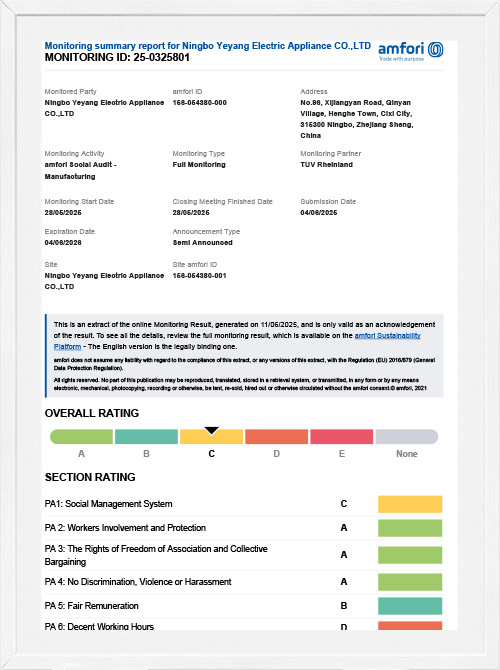
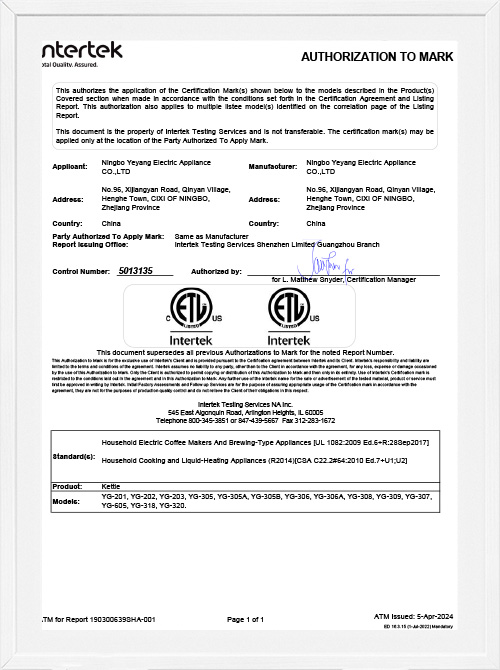
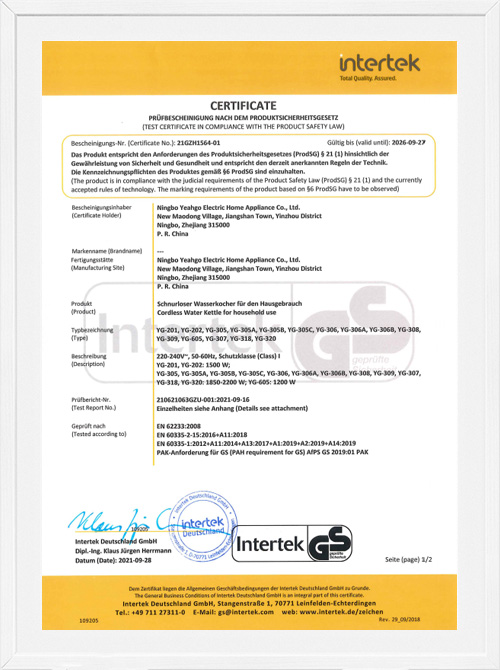
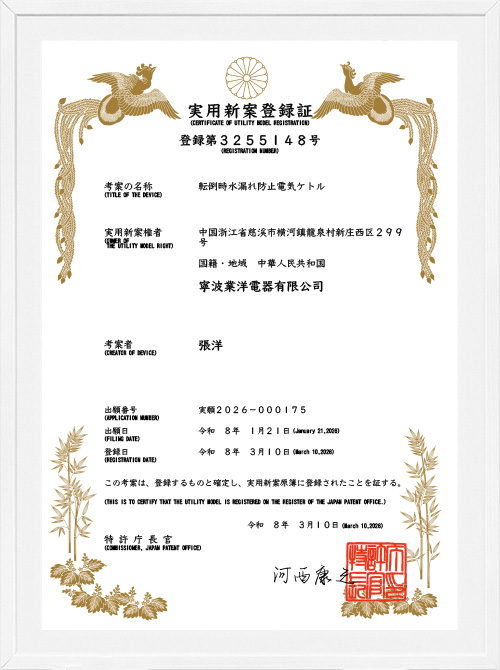
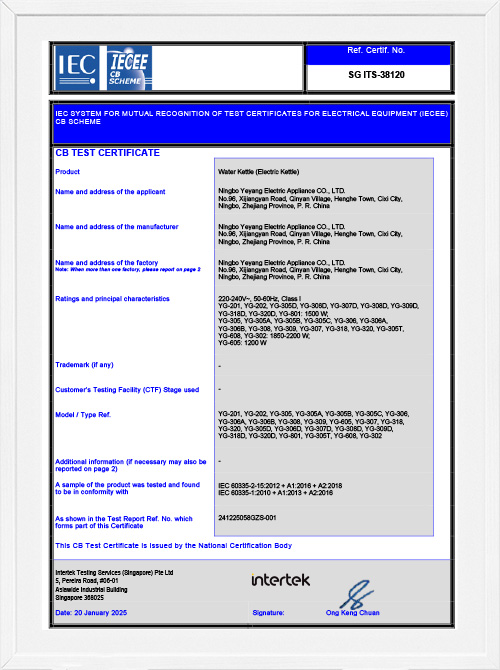
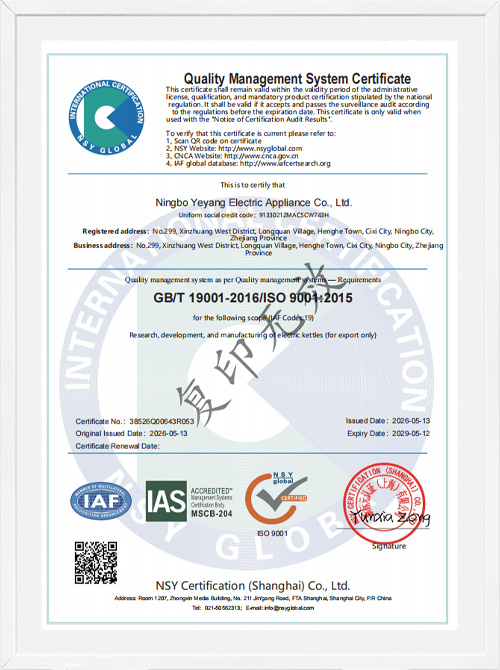
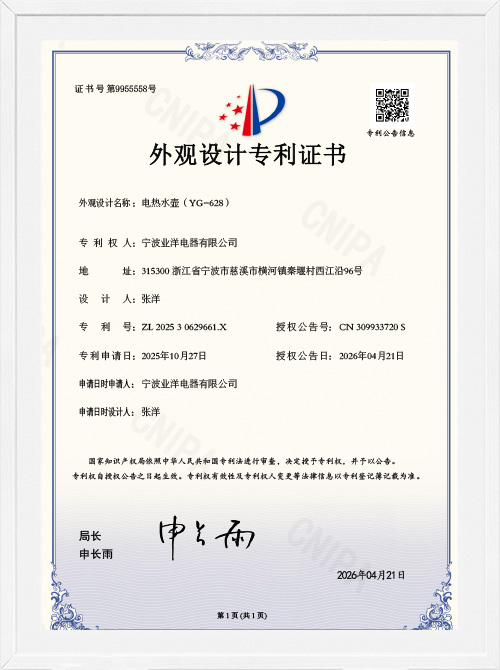
Ningbo Yeyang Electric Appliance Co., Ltd. (YeahGo), founded in 2018 and located in Ningbo City, Zhejiang Province, is a professional electric appliance manufacturer integrating R&D, production, and export. The company places great emphasis on craftsmanship and quality, with product designs that are simple yet elegant. Its main markets include Europe, North America, Japan, and the Middle East. The company holds multiple patents and has obtained international certifications such as GS, CE, BSCI, ETL, RoHS, PSE, CB, and ISO. Guided by the corporate spirit of "professionalism, sincerity, hard work, and gratitude," YeahGo is a China Handheld steam cleaner Manufacturer and Custom Handheld steam cleaner Factory, committed to building an enterprise trusted by customers and beloved by employees, and has established a solid reputation within the industry.
 Oct 29, 2026

Handheld steam cleaner Industry knowledge
What a Handheld Steam Cleaner Offers Buyers and Brands
The short answer for importers, retailers, and brand owners is this: a Handheld steam cleaner gives consumers a compact, chemical-free way to clean kitchens, bathrooms, upholstery, and tight corners, and it gives brands a product category that is easy to ship, easy to display, and easy to bundle with accessories. The models that sell steadily are the ones where the heater, tank, nozzle, and safety controls are designed as one system and tested against the rules of each destination market.
This article is written for sourcing teams rather than end users. It compares cleaning approaches, explains how tank size affects run time, shows which customization options buyers request most often, and outlines what to expect when working with a Chinese Handheld Steam Cleaner Manufacturer or a Chinese Handheld Steam Cleaner Factory. The charts use illustrative index values to make comparisons easier to read, so they should be treated as a planning aid rather than test results for any single product.
How Handheld Units Compare for Spot Cleaning Tasks
Retail buyers often ask where a handheld format fits next to chemical wipes and full-size steam units. The horizontal bar chart below scores three approaches on a 0-100 convenience index for spot cleaning, which reflects setup time, reach in tight spaces, and how easy the tool is to store.
The handheld format scores highest because it removes most of the friction that keeps people from cleaning small areas. A user can fill the tank, wait for the unit to heat, and start working on a stovetop, grout line, or car seat within a few minutes. Full-size units perform well on large floors, but they ask for more setup and more storage space. Sprays and wipes are quick to grab, yet they rely on chemicals and often need repeated passes. For a brand, this positioning is useful, since a handheld unit can be sold as a companion product alongside a floor cleaner rather than as a replacement for it.
How a Handheld Steam Cleaner Works
A handheld unit heats a small water tank until it produces steam, then directs that steam through a short nozzle onto the surface being cleaned. The heat loosens grease and dried residue, and a cloth or brush attachment lifts it away. Because everything sits in a compact body, the quality of each internal part has a strong effect on both results and user safety.
Key Components That Shape Performance
- Heating element: sets how quickly the unit reaches working temperature and how steadily it holds it.
- Pressure-release cap and valve: keeps steam output stable and relieves excess pressure safely.
- Water tank and seals: determine run time and reduce the risk of leakage during use.
- Nozzles and brush heads: decide how well steam reaches grout, corners, and fabric.
- Child-lock and thermal protection: provide the safety layer retail markets increasingly expect.
When a manufacturer designs these parts together, rather than sourcing each one separately, the finished product tends to behave more predictably across its working life.
How Tank Size Affects Run Time
Tank capacity is one of the first decisions in a handheld design, because it shapes weight, run time, and how often the user has to refill. The line chart below shows estimated continuous steam time at different tank sizes, from 150 ml to 400 ml, based on a typical output setting.
Run time climbs from about 7 minutes at 150 ml to about 18 minutes at 400 ml, and the relationship is close to linear across the range. A larger tank means fewer refills, which suits users who clean a whole bathroom in one session. The trade-off is weight, since a full 400 ml tank makes the unit noticeably heavier to hold at arm's length. Smaller tanks suit travel kits and quick spot cleaning, where a light body matters more than long run time. Brands that serve both audiences often ask their manufacturer to develop two tank sizes on a shared body, which keeps tooling efficient while widening the range.
What Buyers Customize Most Often
Working with a Custom Handheld Steam Cleaner Manufacturer usually starts from an existing platform that is then adapted to the brand. The column chart below shows how often different customization options are requested, on an illustrative percentage scale.
Branding leads at 90%, which makes sense for private-label programs where the logo, color scheme, and manual all need to match an existing product family. Accessory sets come next, since the mix of nozzles, brushes, and cloth pads often defines how a product is positioned on the shelf. Color and finish changes are common because they are low-risk and quick to approve. Voltage and plug adjustments matter for brands selling across several regions, and they are tied directly to certification planning. Packaging ranks lower but still affects shelf appeal and transit damage, especially for online retail. A Custom Handheld Steam Cleaner Factory that handles all five areas in-house usually moves from sample to mass production with fewer handoffs.
Strengths and Trade-offs Across Six Dimensions
No handheld design is strongest in every area, and it helps to see where the trade-offs sit before finalizing a specification. The radar chart below maps six dimensions for a well-engineered unit on a 0-100 scale.
Safety and portability score highest, which fits what makes the handheld format attractive in the first place: a light, easy-to-hold body that still passes electrical and pressure checks. Ease of use and heat-up speed also score well, since a small tank warms quickly and the controls are simple. Steam output sits at the lower end, which is the natural trade-off of a compact heater and a small tank. Buyers who need stronger output for heavy grease can ask for a higher-wattage element, accepting a slightly longer warm-up time or a heavier body. Reading the profile as a whole helps teams decide where to focus development effort instead of chasing a perfect score on every axis.
Choosing Between Handheld Configurations
Most handheld lines are built around a few core configurations, and each one suits a different customer. The table below summarizes the points buyers usually clarify early in a project.
Configuration Overview
| Configuration | Key Technical Focus | Typical Buyer Question |
|---|---|---|
| Compact spot-cleaning model | Light body, fast heat-up, small tank | How long does one tank last in normal use? |
| Multi-attachment kit | Nozzle range, brush heads, cloth pads | Which attachments are included in the standard kit? |
| Fabric and upholstery model | Steam control, fabric-safe attachments | How is moisture controlled on soft surfaces? |
| Extended-tank model | Larger tank, stable pressure, stronger seals | How is weight balanced when the tank is full? |
Settling these questions at the start shortens development time, since the manufacturer can match tooling, materials, and testing plans to the right configuration from the first sample round.
Working With a Chinese Manufacturer or Factory
For international buyers, a Chinese Handheld Steam Cleaner Manufacturer is attractive mainly because of the supply chain around it: heating elements, plastic tooling, packaging, and testing facilities are often located within a short distance of each other. A Chinese Handheld Steam Cleaner Factory that integrates design, tooling, and assembly can usually move from concept to sample faster than a trading intermediary that outsources each step.
A Typical OEM/ODM Project Flow
- Requirement review: target market, tank size, accessory set, voltage, and plug type are agreed.
- Design and sampling: the manufacturer adapts an existing platform or develops a new body and produces samples.
- Testing and certification: safety, pressure, and leakage tests are carried out, and documents are prepared for the destination market.
- Pre-production approval: the buyer signs off on a final sample before mass production begins.
- Production and shipment: units are assembled, inspected, and packed for export.
A Custom Handheld Steam Cleaner Manufacturer that documents each stage clearly makes it easier for buyers to track progress and plan launches. Clear written specifications at the start are the most reliable way to avoid rework between the sample and production stages.
What to Ask Before Committing to a Project
Spec sheets across suppliers can look alike, so the questions below help separate factories with real engineering depth from trading intermediaries.
- Which certifications are currently held, and can the documents be reviewed for the specific model being discussed?
- Can design changes such as tank size, accessories, voltage, or housing be handled in-house?
- How are pressure, thermal, and leakage tests recorded between production batches?
- What after-sales support and spare parts are available for distributors?
- How is export packaging designed to limit damage on long shipping routes?
A Custom Handheld Steam Cleaner Factory that answers these questions with documents rather than general statements is usually easier to work with over the long term.
About Ningbo Yeyang Electric Appliance Co., Ltd. (YeahGo)
Ningbo Yeyang Electric Appliance Co., Ltd. (YeahGo) is a China OEM/ODM Small Household Appliances Manufacturer and Small Home Appliances Factory, founded in 2018 and located in Ningbo City, Zhejiang Province. The company is a professional electric appliance manufacturer integrating research and development, production, and export, with an emphasis on craftsmanship, quality, and product designs that are simple yet elegant. Its main markets include Europe, North America, Japan, and the Middle East.
YeahGo holds multiple patents and has obtained international certifications such as GS, CE, BSCI, ETL, RoHS, PSE, CB, and ISO. Guided by the corporate spirit of "professionalism, sincerity, hard work, and gratitude," the company is committed to building an enterprise trusted by customers and valued by employees, and it has established a solid reputation within the industry.
Frequently Asked Questions
Q1: What is a handheld steam cleaner typically used for?
A1: It is commonly used for spot cleaning on kitchen surfaces, bathroom tiles and grout, upholstery, and small areas that are hard to reach with a full-size unit.
Q2: How long does a handheld unit take to heat up?
A2: Warm-up time depends on tank size and heating element power, but compact models generally reach working temperature within a few minutes.
Q3: Can a Custom Handheld Steam Cleaner Manufacturer support a private label?
A3: In many cases, yes. Manufacturers with OEM/ODM capability can adjust branding, accessories, colors, voltage, and packaging, and some can modify the underlying design.
Q4: Which certifications are commonly requested for export markets?
A4: Common examples include CE and GS for Europe, ETL for North America, PSE for Japan, and CB, RoHS, and ISO for broader compliance, depending on the product and destination.
Q5: What should a buyer review before approving mass production?
A5: Reviewing an approved pre-production sample, certification documents, and test records for the specific model helps confirm that the production batch will match what was agreed.
Integrated R&D, production and export full industrial chain.
Quick Link
Product
Contact Information
-
Tel:86-139 5829 1543
-
E-mail:ken@nbyeyang.net
-
Address: No. 299, Xinzhuang West District, Longquan Village, Henghe Town, Cixi City, Zhejiang Province, China
Copyright © Ningbo Yeyang Electric Appliance Co., Ltd. All Rights Reserved Handheld steam cleaner Manufacturer Custom Handheld steam cleaner Factory
