
 English
 Español
 Deutsch
 عربى


Portable Home Steam Cleaner Supplier
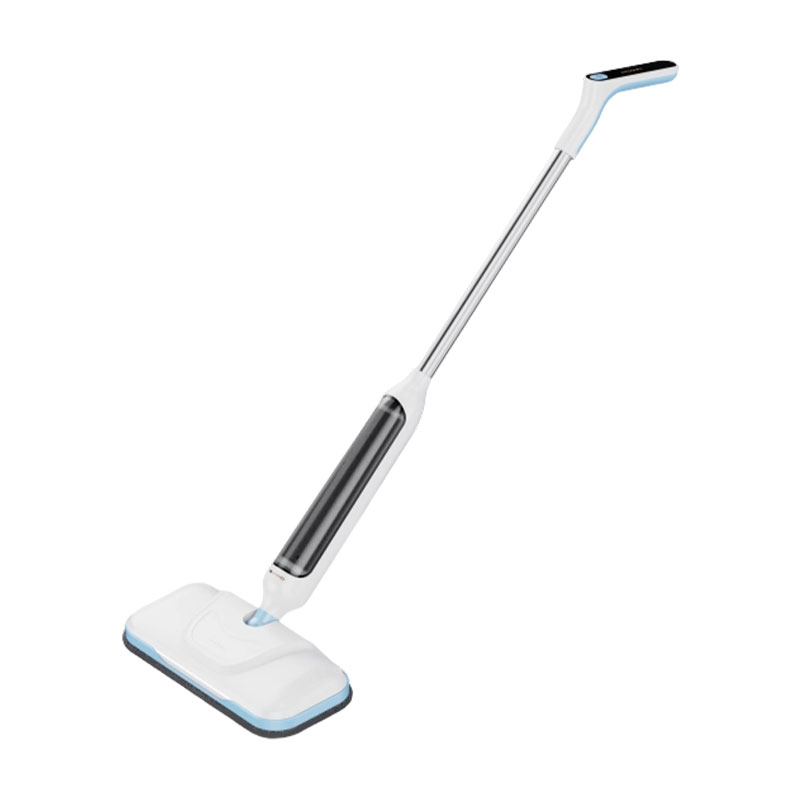
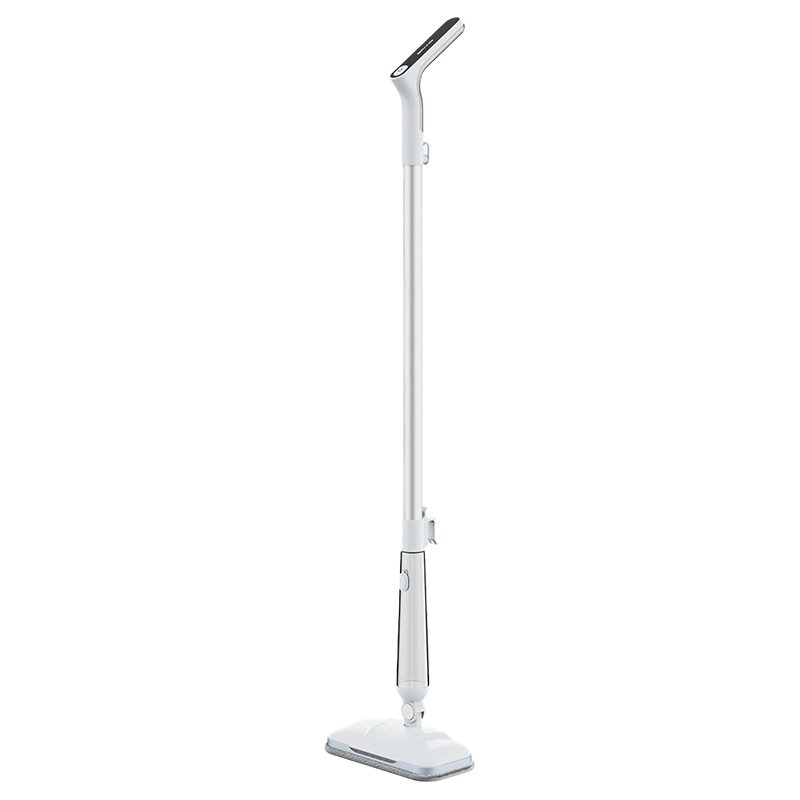
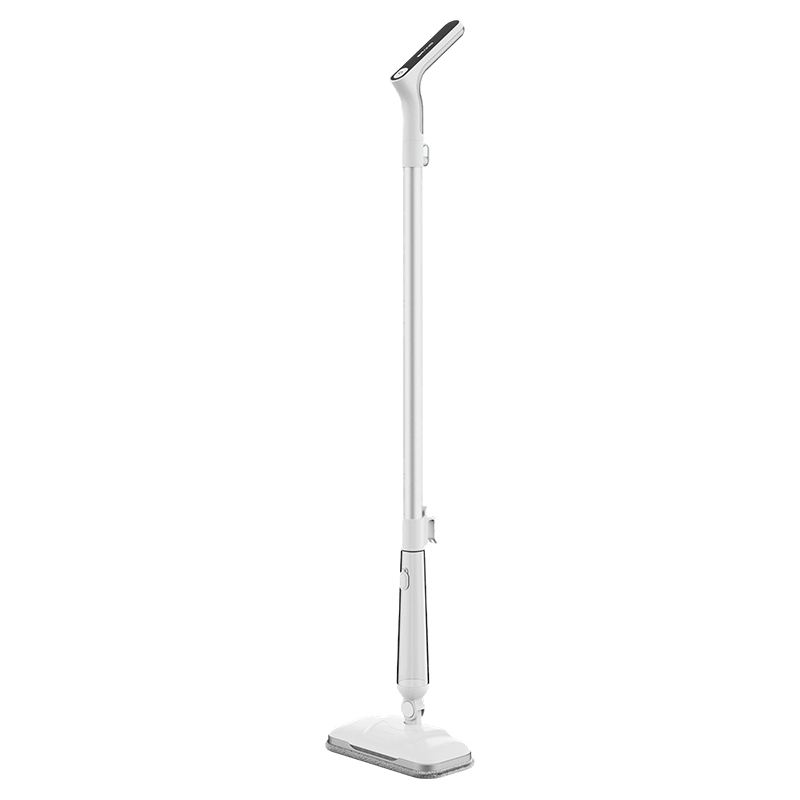
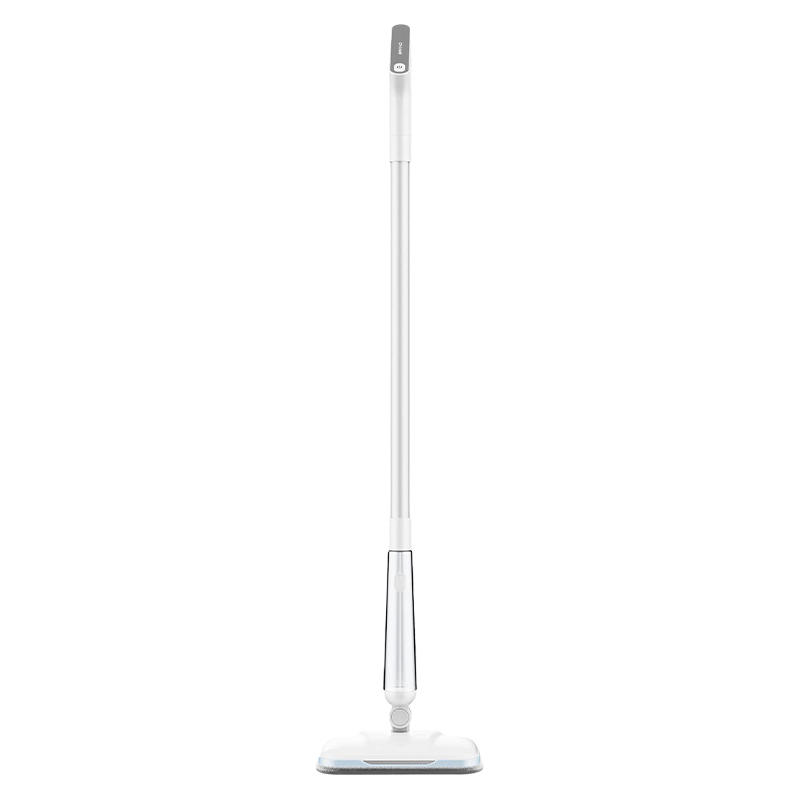
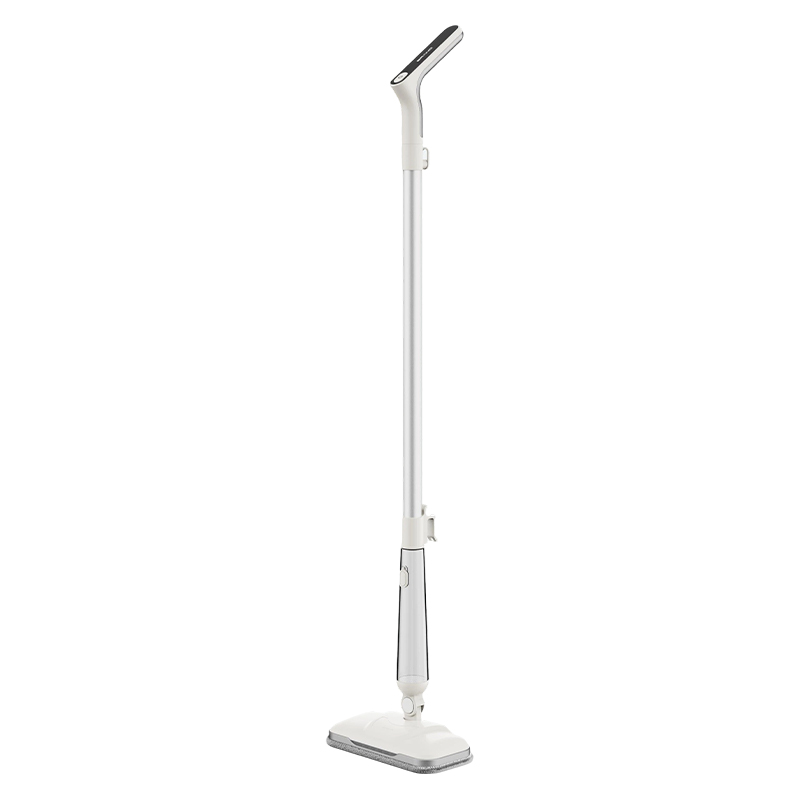
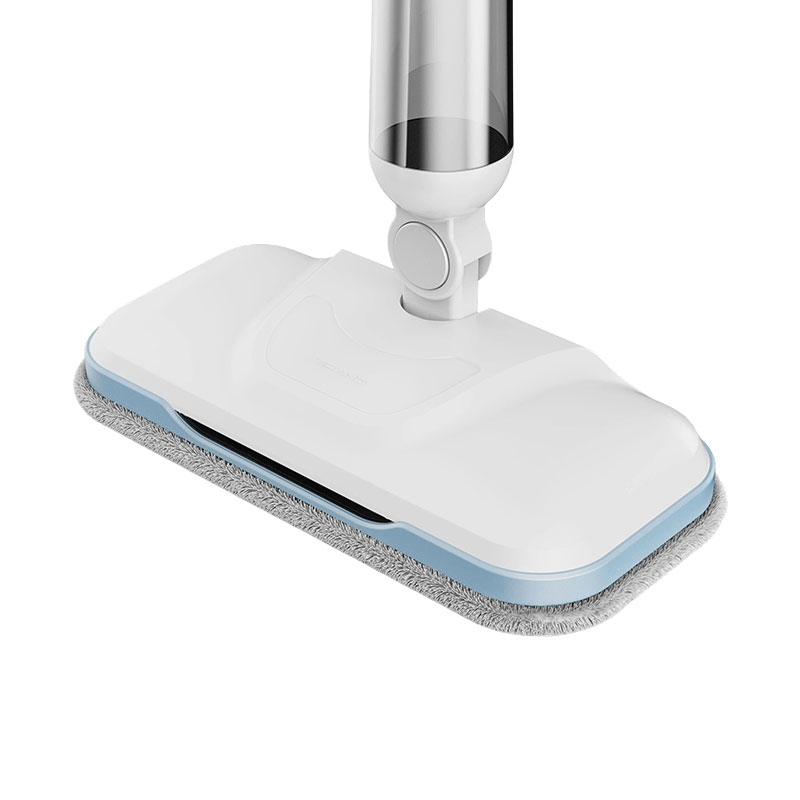
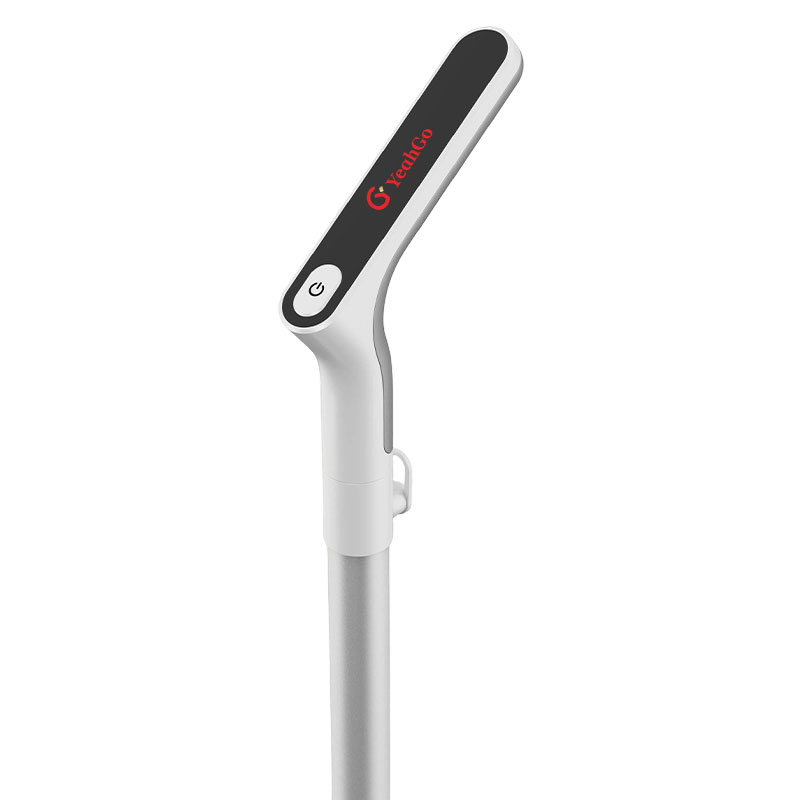
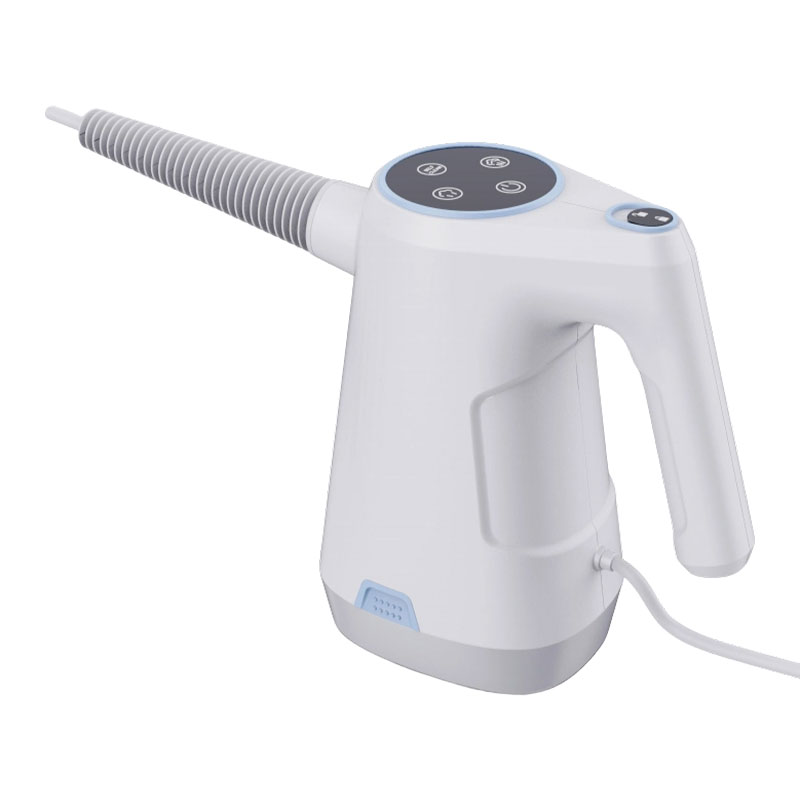
A steam cleaner is an environmentally friendly device that uses high-temperature, high-pressure steam as a cleaning medium. It generates 100℃-192℃ high-temperature steam by heating water, using thermal energy to break down grease and pressure to remove impurities, without the need for chemical cleaners. It achieves cleaning, sterilization, and drying in one step, and is widely suitable for deep cleaning needs in industrial, commercial, and household scenarios.
Product Catalogue
development: 2018- Future
Simple Elegant Design, Trustworthy Quality Appliances.
-
0㎡
Factory Area
-
0+
Number of Employees
-
0+
Industry Experience
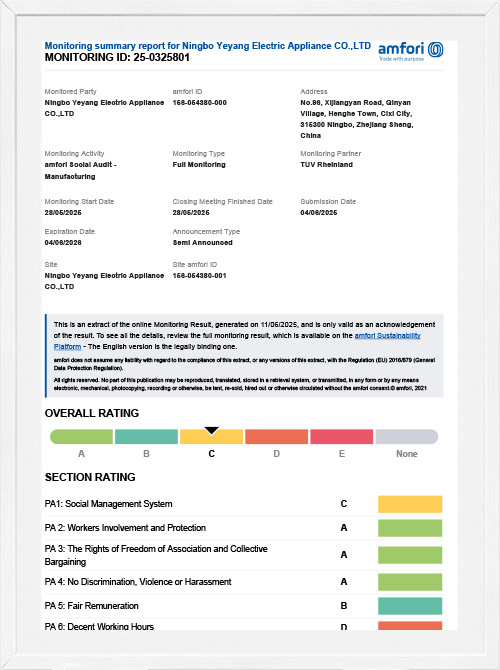
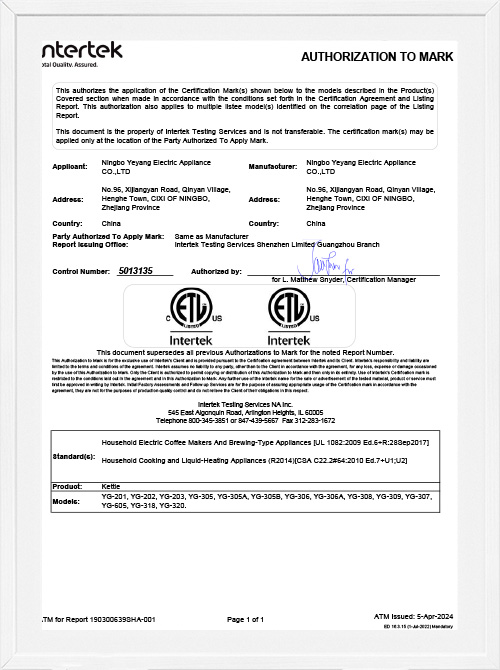
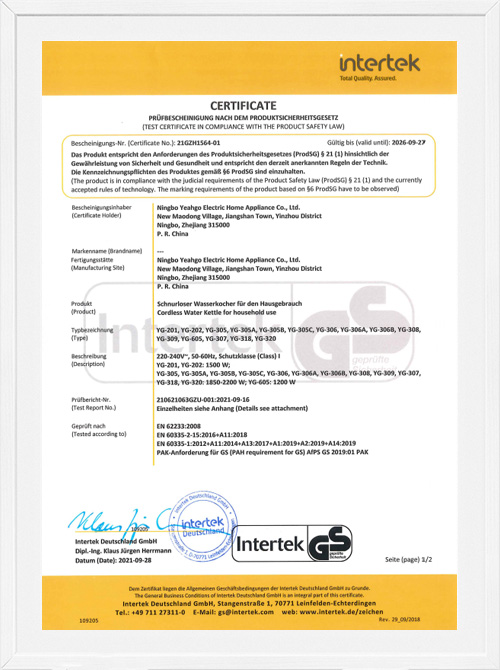
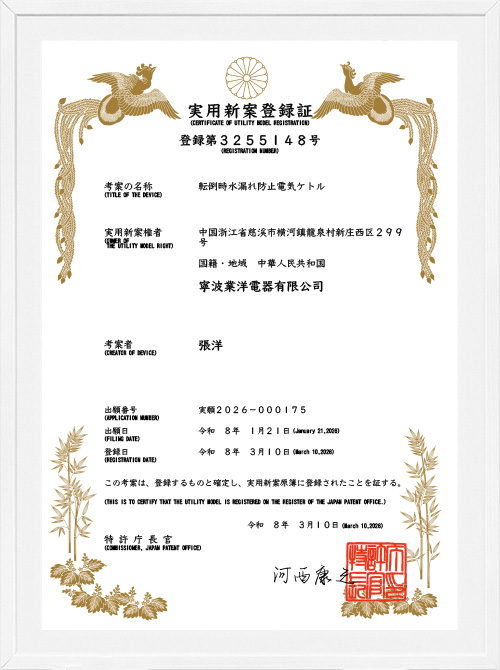
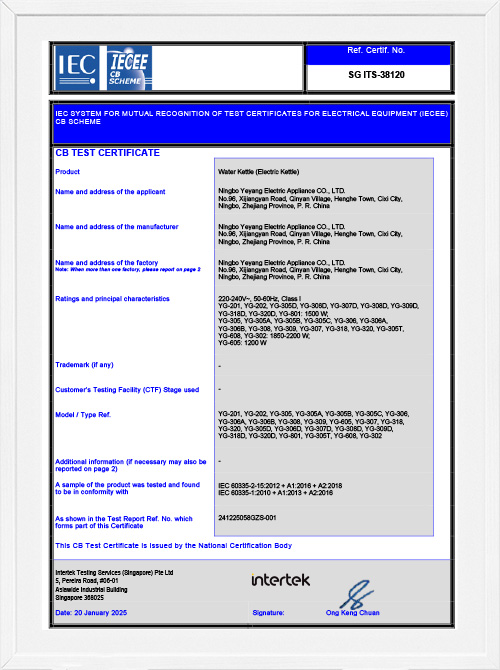
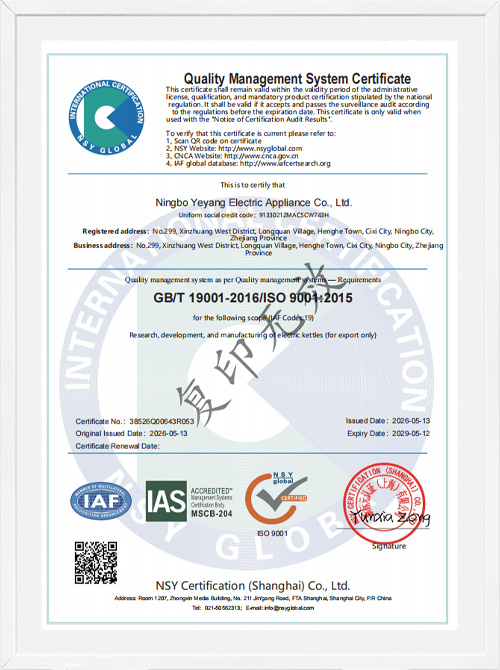
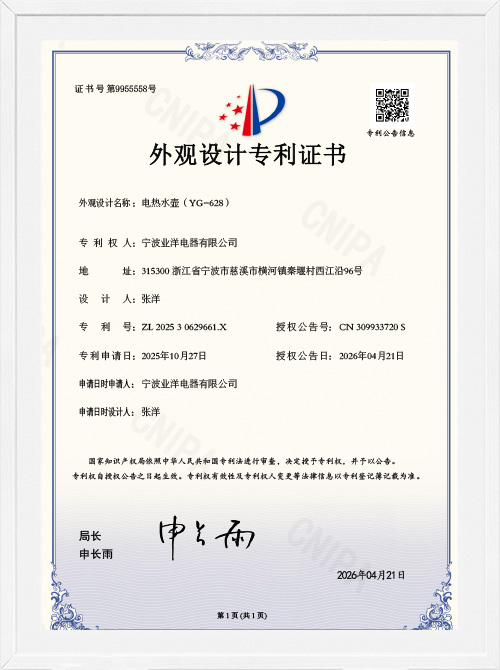
Ningbo Yeyang Electric Appliance Co., Ltd. (YeahGo), founded in 2018 and located in Ningbo City, Zhejiang Province, is a professional electric appliance manufacturer integrating R&D, production, and export. The company places great emphasis on craftsmanship and quality, with product designs that are simple yet elegant. Its main markets include Europe, North America, Japan, and the Middle East. The company holds multiple patents and has obtained international certifications such as GS, CE, BSCI, ETL, RoHS, PSE, CB, and ISO. Guided by the corporate spirit of "professionalism, sincerity, hard work, and gratitude," YeahGo is a China Portable Home Steam Cleaner Supplier and OEM/ODM Rug & Floor Steam Cleaner Factory, committed to building an enterprise trusted by customers and beloved by employees, and has established a solid reputation within the industry.
 Oct 29, 2026

Steam Cleaner Industry knowledge
What Buyers Should Know Before Sourcing a Steam Cleaner
The short answer for importers, retailers, and brand owners is this: a well-built Steam Cleaner turns ordinary tap water into hot vapor that loosens dirt and residue without relying on cleaning chemicals, which is why demand keeps growing in households that want a simpler, lower-residue way to clean. The products that perform consistently are the ones where the boiler, pump, hose, and safety controls are engineered together and tested against the rules of the destination market, rather than assembled from unrelated parts.
This article is written for sourcing teams rather than end users. It compares cleaning approaches, shows how steam output holds up across repeated use, explains where a rug steam cleaner, floor steam cleaner, home steam cleaner, and portable steam cleaner each fit, and outlines what to ask a manufacturer before starting an OEM/ODM project. The charts use illustrative index values to make comparisons easier to read, so they should be treated as a planning aid rather than test results for any single product.
How Steam Cleaning Compares With Traditional Cleaning Methods
Retail buyers often ask how steam-based products compare with a conventional mop and bucket. The horizontal bar chart below scores three approaches on a 0-100 cleaning effectiveness index, which reflects how well each method lifts residue, how evenly it covers a surface, and how much effort it asks from the user.
The jump from a basic steam unit to an engineered one is where design quality becomes visible. A basic unit may heat water, but inconsistent boiler pressure and weak hose connections can leave steam output uneven from one minute to the next. An engineered steam cleaner keeps pressure stable, so the same pass over a surface delivers the same result. For a distributor, that consistency shows up as fewer complaints about weak steam and fewer returns in the first months of ownership. It also gives retailers a clearer story to tell on the shelf, since performance can be described in practical terms rather than vague promises.
How a Steam Cleaner Actually Works
At its core, a steam cleaner heats water in a sealed tank or flow-through heater until it becomes vapor, then pushes that vapor through a hose and nozzle onto the surface being cleaned. The heat softens grease and loosens dried residue, while a cloth pad or brush head lifts it away. Because the process depends on controlled heat and pressure, the quality of each internal part has a direct effect on both results and user safety.
Key Components That Shape Performance
- Boiler or heating element: sets how quickly the unit reaches working temperature and how steadily it holds it.
- Pressure and safety valve: keeps steam output stable and releases excess pressure if something goes wrong.
- Water tank and seals: determine run time and reduce the risk of leakage during use.
- Hose, nozzle, and attachments: decide how well the steam reaches different surfaces and tight corners.
- Child-lock and thermal protection: provide the safety layer that retail markets increasingly expect.
When a manufacturer designs these parts together, rather than sourcing each one separately, the finished home steam cleaner tends to behave more predictably across its working life.
How Steam Output Holds Up Over Repeated Use
A steam cleaner that performs well on day one is only part of the picture, because mineral build-up, seal wear, and heating element aging all affect output over time. The line chart below tracks how much of its original steam output a well-built unit retains as the number of use sessions grows, from a new unit out to 1,000 sessions.
Output falls from 100% at the start to roughly 90% after 1,000 sessions, and the slope is steady rather than sudden. That steadiness is the useful part for a buyer, because it makes after-sales planning easier and helps set realistic expectations in product descriptions. Descaling habits matter here, since hard water is the most common reason output drops faster than the curve suggests. A manufacturer that includes clear descaling guidance and a removable filter in the design usually keeps the curve closer to this shape. When comparing suppliers, it is worth asking how session counts were measured and what water hardness was used in testing.
Where Rug, Floor, and Portable Steam Cleaners Get Used
One steam platform can serve several use cases, which is part of why the category suits private-label programs. The column chart below shows how often different surfaces and areas come up as a use case, on an illustrative percentage scale.
Hard floors lead at 88%, which is why the floor steam cleaner format, usually a mop-style body with a washable pad, is the entry point for many product lines. Rugs and carpets follow, and a dedicated rug steam cleaner often adds a brush head or a vacuum-assist function to lift steam-loosened dirt from fibers. Kitchens and bathrooms rank next, where grease and limescale make heat-based cleaning appealing, and this is where a portable steam cleaner with a handheld nozzle earns its place. Upholstery sits lower, but it matters for buyers who want one multi-purpose kit rather than several single-use products. Understanding this spread helps a brand decide which attachments to bundle and which to sell separately.
Strengths and Trade-offs Across Six Dimensions
No steam cleaner is strongest in every area, and it helps to see where the trade-offs sit before finalizing a specification. The radar chart below maps six dimensions for a well-engineered unit on a 0-100 scale.
Safety and ease of use score highest, which fits how household appliances are judged in retail: a product has to be simple to operate and pass electrical and pressure checks before anything else matters. Steam output and durability also score well, showing that careful engineering does not force a choice between strong performance and long service life. Portability and heat-up speed sit lower, which reflects a real trade-off, since a larger boiler gives steadier steam but adds weight and warm-up time. Buyers targeting small apartments or travel use can ask for a lighter body with a smaller tank, while buyers targeting larger homes may prefer the opposite. Reading the profile as a whole helps teams decide where to focus development effort instead of chasing a perfect score on every axis.
Choosing Between Steam Cleaner Formats
Most steam cleaner lines are built around a few core formats, and each one suits a different customer. The table below summarizes the points buyers usually clarify early in a project.
Format Overview
| Format | Key Technical Focus | Typical Buyer Question |
|---|---|---|
| Floor steam cleaner | Pad design, steady steam flow, tank capacity | Is it suitable for sealed wood, tile, and laminate? |
| Rug steam cleaner | Brush head, steam penetration, drying time | How is moisture controlled on thick fibers? |
| Home steam cleaner (multi-use) | Attachment range, hose length, safety lock | Which attachments are included in the standard kit? |
| Portable steam cleaner | Weight, heat-up time, compact tank | How long does one tank last in normal use? |
Settling these questions at the start shortens development time, since the manufacturer can match tooling, materials, and testing plans to the correct format from the first sample round.
What to Ask a Manufacturer Before Starting a Project
Spec sheets across suppliers can look alike, so the questions below help separate factories with real engineering depth from trading intermediaries.
- Which certifications are currently held, and can the documents be reviewed for the specific model being discussed?
- How are pressure, thermal, and leakage tests carried out, and how are results recorded between production batches?
- Can the design be adjusted in-house, such as tank size, attachment set, voltage, or plug type?
- What descaling guidance and replacement parts are provided for end users and after-sales teams?
- How is export packaging designed to limit transit damage on long shipping routes?
A factory that answers these questions with documents rather than general statements is usually easier to work with over the long term, since expectations are set clearly at the start of the relationship.
About Ningbo Yeyang Electric Appliance Co., Ltd. (YeahGo)
Ningbo Yeyang Electric Appliance Co., Ltd. (YeahGo) is a China OEM/ODM Small Household Appliances Manufacturer and Small Home Appliances Factory, founded in 2018 and located in Ningbo City, Zhejiang Province. The company is a professional electric appliance manufacturer integrating research and development, production, and export, with an emphasis on craftsmanship, quality, and product designs that are simple yet elegant. Its main markets include Europe, North America, Japan, and the Middle East.
YeahGo holds multiple patents and has obtained international certifications such as GS, CE, BSCI, ETL, RoHS, PSE, CB, and ISO. Guided by the corporate spirit of "professionalism, sincerity, hard work, and gratitude," the company is committed to building an enterprise trusted by customers and valued by employees, and it has established a solid reputation within the industry.
Frequently Asked Questions
Q1: What is the difference between a floor steam cleaner and a rug steam cleaner?
A1: A floor steam cleaner is usually a mop-style unit designed for hard surfaces, while a rug steam cleaner adds a brush head or extraction feature to work steam into carpet and rug fibers.
Q2: Can a portable steam cleaner replace a full-size home steam cleaner?
A2: It depends on the use case. A portable steam cleaner suits spot cleaning and small areas, while a larger home steam cleaner offers a bigger tank and longer run time for whole-room cleaning.
Q3: Can a steam cleaner be customized for a private label?
A3: In many cases, yes. Manufacturers with OEM/ODM capability can adjust appearance, packaging, attachments, voltage, and plug type, and some can modify the underlying design.
Q4: Which certifications are commonly requested for export markets?
A4: Common examples include CE and GS for Europe, ETL for North America, PSE for Japan, and CB, RoHS, and ISO for broader compliance, depending on the product and destination.
Q5: How should end users care for a steam cleaner to keep performance steady?
A5: Regular descaling, using water suited to the unit, and checking seals and hoses for wear help keep steam output consistent over time.
Integrated R&D, production and export full industrial chain.
Quick Link
Product
Contact Information
-
Tel:86-139 5829 1543
-
E-mail:ken@nbyeyang.net
-
Address: No. 299, Xinzhuang West District, Longquan Village, Henghe Town, Cixi City, Zhejiang Province, China
Copyright © Ningbo Yeyang Electric Appliance Co., Ltd. All Rights Reserved Portable Home Steam Cleaner Supplier OEM/ODM Rug & Floor Steam Cleaner Factory
