
 English
  Español
  Deutsch
  عربى
عربى 

What are the uses of an electric kettle?
The main use of an electric kettle is to heat water quickly and safely, then use that hot water for drinks, instant meals, baby feeding preparation, cooking shortcuts and light cleaning tasks. It is faster and more convenient than a stovetop pot because it heats only the water you need and switches off automatically once it boils.
Water boils at 100 degrees Celsius at sea level, and a typical household kettle rated between 1,800 and 3,000 watts can bring a full litre to a boil in roughly three to five minutes, depending on starting temperature and power. Hot water at that temperature is the starting point for a surprising number of kitchen tasks.
A well-built Electric Kettle is one of the most used small appliances in the home, because it saves time every morning and every evening. The sections below explain the most practical uses, the right water temperatures for each, and how to use and care for the kettle safely.
Content
- 1 Everyday uses of an electric kettle at a glance
- 2 Making tea and coffee at the right temperature
- 3 Quick meals and snacks with just hot water
- 4 Using an electric kettle as a cooking shortcut
- 5 Preparing baby formula safely
- 6 Sterilizing, rinsing and light cleaning tasks
- 7 Travel, office and small space uses
- 8 Why an electric kettle is more efficient than a stovetop pot
- 9 Safety tips for using an electric kettle at home
- 10 How to clean and descale an electric kettle
- 11 What to look for when choosing an electric kettle
- 12 Final verdict
Everyday uses of an electric kettle at a glance
The table below summarizes the most common uses and what the kettle does for each one.
| Use | How the kettle helps |
|---|---|
| Tea and herbal infusions | Delivers boiling water in minutes, with no pot to watch |
| Coffee brewing | Provides hot water for instant, pour-over and French press coffee |
| Instant noodles and oatmeal | Gives a fast, hot meal in a bowl with almost no cleanup |
| Soups, gravy and stock | Rehydrates powders and cubes in seconds |
| Cooking helpers | Pre-boils water for pasta, rice, potatoes and vegetables |
| Baby bottle preparation | Boils water that is then cooled before mixing formula |
| Sterilizing and rinsing | Provides hot water for rinsing jars, bottles and utensils |
| Warming and thawing | Hot water bath for small food packages and hand warmers |
Making tea and coffee at the right temperature
Hot drinks are the number one reason people own a kettle, and temperature control makes a real difference to taste. Water that is too hot can make delicate teas bitter, while water that is too cool leaves coffee flat.
Recommended water temperatures by drink
The ranges below are commonly recommended by tea and coffee associations. For example, the Specialty Coffee Association recommends brewing coffee with water between about 92 and 96 degrees Celsius (195 to 205 degrees Fahrenheit), and the UK Tea and Infusions Association advises freshly boiled water for black tea.
| Drink | Suggested water temperature |
|---|---|
| Black tea and herbal tea | 95 to 100 degrees Celsius |
| Oolong tea | 85 to 95 degrees Celsius |
| Green tea | 70 to 80 degrees Celsius |
| White tea | 75 to 85 degrees Celsius |
| Pour-over and French press coffee | 92 to 96 degrees Celsius |
A simple way to cool boiled water
If your kettle does not have temperature settings, boil the water, then let it rest with the lid open for about two to four minutes before pouring it over green or white tea. This brings the water down to a gentler range without extra equipment.
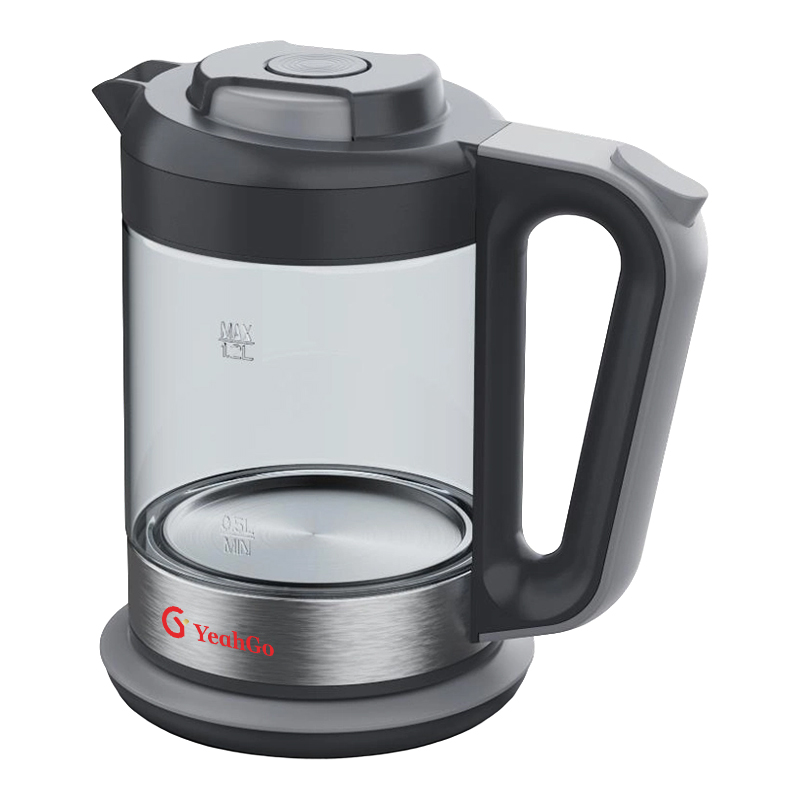
Quick meals and snacks with just hot water
An electric kettle turns a bowl and a few dry ingredients into a hot meal in minutes. This is especially useful in offices, dorm rooms, hotel stays and small kitchens without a full hob.
- Instant noodles: pour boiling water over the noodles, cover and wait the time stated on the pack, usually three to four minutes.
- Oatmeal and porridge: quick oats soften in about two to three minutes with hot water, and you can add fruit or nuts on top.
- Instant soup and miso: stir powder or paste into a cup of hot water.
- Couscous: it needs only hot water and about five minutes to become fluffy.
- Instant mashed potato and rice noodles, which also rehydrate with hot water.
- Hot chocolate, malted drinks and powdered milk drinks.
Use a heatproof bowl or mug with a lid or plate on top to keep the heat in. Pour the water away from yourself, and never pour boiling water into thin glass or low-grade plastic that is not heat resistant.
Using an electric kettle as a cooking shortcut
You can save time on the stove by letting the kettle do the first heating step. Water from a kettle is already at boiling point, so the pan only needs to hold the temperature.
Faster pasta, rice and vegetables
Boil a full kettle, pour the water into a saucepan on the hob, then add pasta, potatoes or chopped vegetables. This often cuts several minutes from the wait and uses less gas or electricity on the hob. Many home cooks use this method when making large batches of pasta or blanching green beans.
Blanching and peeling
Pouring hot water over tomatoes or peaches in a bowl for about a minute loosens the skin so it peels away easily. Almonds can be treated the same way. Rinse them in cold water afterwards to stop the cooking process.
Making stock and sauces from concentrates
Stock cubes, gravy granules and powdered sauces dissolve better in very hot water. Mix them in a jug using freshly boiled water for a smooth result without lumps.
Preparing baby formula safely
Many parents use an electric kettle to prepare water for infant formula. Health authorities give clear guidance here, so it is worth following it closely.
The World Health Organization (WHO) advises preparing powdered infant formula with water that is no less than 70 degrees Celsius, which means the water should be boiled and allowed to cool for no more than about 30 minutes before use. After mixing, the formula must be cooled quickly to feeding temperature and tested on the inside of your wrist before feeding.
- Boil fresh water and pour it into a clean, sterilized bottle.
- Add formula powder following the maker instructions exactly.
- Cool the bottle under cold running water or in a bowl of cold water.
- Always check the temperature before feeding and discard unused formula after the time stated on the pack.
Always follow your pediatrician advice and the formula manufacturer directions, since requirements can vary by product.
Sterilizing, rinsing and light cleaning tasks
Hot water is a simple tool for household hygiene when used safely. An electric kettle gives you a quick supply without needing to heat a large pot.
- Rinsing baby bottles and teats: pour boiling water over parts to help rinse away residue, then follow the sterilizing steps on your bottle instructions.
- Rinsing jars before filling them with jam, pickles or preserves.
- Loosening dried food from pans and bowls by soaking them in hot water.
- Clearing a slow kitchen sink drain of grease with a measured pour of hot water, if your pipes are heat safe.
- Warming a hand towel or compress for a few seconds, taking care to test the temperature on your skin first.
Do not pour boiling water directly into toilets, porcelain sinks or plastic pipes without checking that they are heat safe, because sudden temperature changes can cause cracks.
Travel, office and small space uses
Because a kettle is compact and needs only a power socket, it works well where a full kitchen is not available.
In the office and at home desks
A kettle on a shared counter saves trips to the cafe and cuts down on waste from disposable cups. Many workplaces provide one so staff can make tea, coffee or instant meals during breaks.
Dorms, hotels and holiday rentals
Students and travelers often rely on a kettle when no stove is available. It lets you make breakfast and snacks without a hob, and a lightweight model is easy to pack. Check the voltage rating of the kettle before traveling abroad, because power standards differ between countries.
Camping with a power supply
At a campsite with an electric hook-up, a kettle is a quick and safe way to boil water for hot drinks without lighting a gas burner.
Why an electric kettle is more efficient than a stovetop pot
Efficiency is one of the biggest practical reasons to use a kettle for water heating tasks. The element sits inside the base and heats the water directly, so very little energy is lost to the surrounding air.
The European Commission and independent consumer tests have noted that electric kettles are among the more efficient ways to boil small to medium amounts of water, since they transfer most of the heat straight into the liquid. Results vary by model and by the stove type you compare against, but the general principle holds: heating only the water you need saves both time and energy.
- Boil only what you need: filling the kettle with one or two cups instead of a full tank avoids wasted energy.
- Automatic shut off prevents boiling dry and saves power.
- A lid that closes firmly keeps heat in and brings water to boil faster.
- Descaling regularly keeps the element working at its best output.
Safety tips for using an electric kettle at home
Hot water can cause serious burns, so a few habits make daily use much safer.
- Place the kettle on a flat, stable and dry surface away from the counter edge.
- Keep the cord short or tucked away so children cannot pull the kettle down.
- Fill between the minimum and maximum marks, and never overfill.
- Close the lid fully before switching on, and do not open it while the water is boiling.
- Use only the base supplied with the kettle.
- Unplug the kettle before cleaning and never immerse the base in water.
- Allow the kettle to cool before storing it.
Choose a model with automatic shut off and boil dry protection, and keep it out of reach of young children. When shopping, you can review the safety features listed on our Electric Kettle page to see which protections suit your household.
How to clean and descale an electric kettle
Mineral scale builds up inside a kettle, especially in hard water areas. Scale slows heating, can affect taste and may flake into your drink. Regular descaling keeps the kettle working like new.
A simple descaling routine
- Fill the kettle halfway with water and add white vinegar or citric acid, following the proportion in your user manual.
- Bring it to a boil, then switch it off and let it stand for 15 to 30 minutes.
- Pour out the solution, rinse the kettle well and boil fresh water twice, discarding it each time.
- Wipe the outside with a soft damp cloth and dry the lid.
Descale about once a month in hard water areas, or every two to three months where water is soft. Using filtered water also slows scale build up.
What to look for when choosing an electric kettle
Different households have different needs, so it helps to compare a few key features.
| Feature | Why it matters |
|---|---|
| Capacity | 1 to 1.7 litres suits most homes, and smaller sizes suit single users and travel |
| Power rating | Higher wattage boils faster, but check your socket and circuit limits |
| Material | Stainless steel and glass are easy to clean, and food grade interiors are important |
| Temperature control | Useful for green tea, coffee and baby preparation |
| Safety functions | Auto shut off, boil dry protection and a cool touch exterior reduce risk |
| Keep warm function | Handy for repeated drinks, though it uses extra energy |
Our Electric Kettle range is designed for everyday use at home, in the office and in small kitchens, so you can compare the specifications on the product page and choose the size and features that fit your routine.
Final verdict
The uses of an electric kettle go well beyond tea. It helps you brew drinks at the right temperature, prepare instant meals, speed up cooking, prepare baby formula water, and handle simple rinsing tasks in a fast and energy-conscious way.
With sensible safety habits and regular descaling, a good Electric Kettle will serve you reliably every day, whether you use it in a family kitchen, a dorm room or an office.
Sources referenced: Specialty Coffee Association (brewing water temperature guidance); UK Tea and Infusions Association (brewing guidance); World Health Organization (safe preparation of powdered infant formula); European Commission (energy efficiency of household appliances).
News
Products
Related Products
Integrated R&D, production and export full industrial chain.
Quick Link
Product
Contact Information
-
Tel:86-139 5829 1543
-
E-mail:ken@nbyeyang.net
-
Address: No. 299, Xinzhuang West District, Longquan Village, Henghe Town, Cixi City, Zhejiang Province, China
Copyright © Ningbo Yeyang Electric Appliance Co., Ltd. All Rights Reserved OEM/ODM Small Household Appliances Manufacturer Small Home Appliances Factory
