
 English
  Español
  Deutsch
  عربى
عربى 

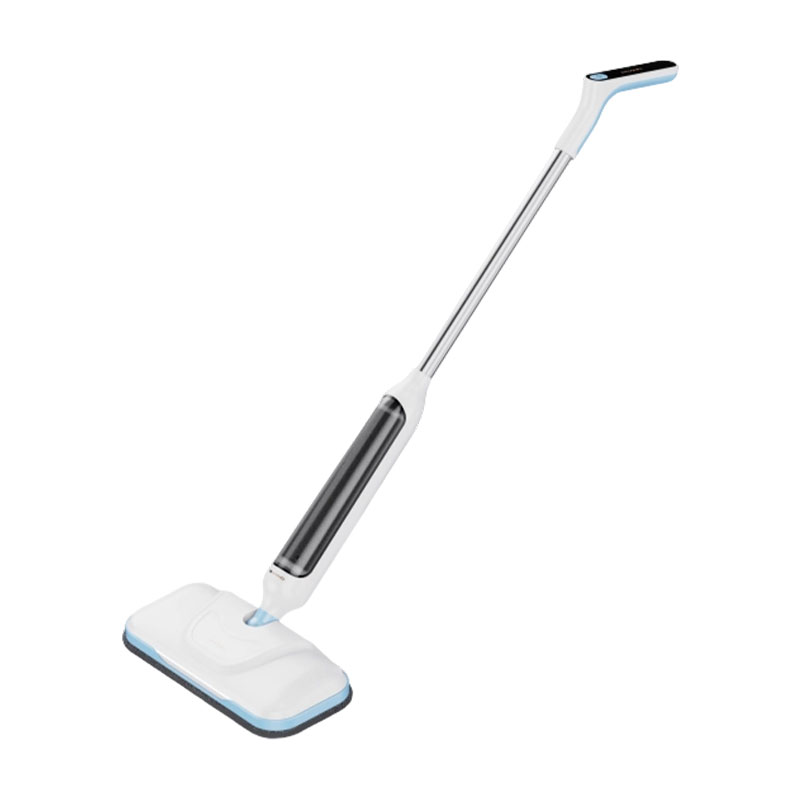
What are the advantages of a steam mop?
The main advantages of a steam mop are that it cleans and sanitizes hard floors using only heated water vapor, removes sticky grime with less scrubbing, dries quickly and cuts the ongoing cost of floor cleaning products. It also works with washable microfiber pads, so there is little waste and no heavy bucket to carry.
The cleaning power comes from heat. Water turns to steam at 100 degrees Celsius at sea level, and steam releases a large amount of stored energy (about 2,260 kJ per kilogram when it condenses back to water, according to the NIST Chemistry WebBook). That heat softens grease, loosens dried spills and helps lift dirt from tile, sealed wood and laminate.
A well-designed Steam mop is best suited to homes with large areas of sealed hard flooring, families with children or pets, and anyone who wants a deep clean without a cupboard full of floor chemicals. It is not the right tool for carpet, unsealed wood or damaged floors, which we cover below.
Content
- 1 Main advantages of a steam mop at a glance
- 2 Chemical-free cleaning is safer for families and pets
- 3 Sanitizing power: what a steam mop can and cannot do
- 4 Less scrubbing and better results on sticky, greasy floors
- 5 Faster drying and quicker floor turnaround
- 6 Lower running costs over time
- 7 Which floors suit a steam mop and which do not
- 8 How to get the best results with a steam mop
- 9 Limitations to know before you buy
- 10 What to look for in a good steam mop
- 11 Maintenance tips to keep a steam mop working well
- 12 Final verdict
Main advantages of a steam mop at a glance
The table below summarizes the most useful benefits and what they mean in daily cleaning.
| Advantage | What it means in practice |
|---|---|
| Chemical-free cleaning | Only tap or distilled water is needed, so there are no cleaner fumes or sticky residues |
| Sanitizing effect | High temperature helps reduce bacteria and allergens on sealed hard floors |
| Less scrubbing | Heat loosens dried food, sticky spills and greasy film before you wipe |
| Fast drying | A light film of moisture evaporates quickly, so floors are usable sooner |
| Low running cost | Reusable pads replace disposable wipes and bottled cleaners |
| Multi-surface use | Suitable for tile, vinyl, laminate and sealed hardwood when used correctly |
| Easy handling | Lightweight upright design with no bucket to fill, carry or wring |
Chemical-free cleaning is safer for families and pets
Many floor cleaners contain surfactants, fragrances and solvents that can leave residue behind. Children crawl on floors and pets walk on them, then lick their paws, so a residue-free method has a real benefit.
Why water alone can be enough
Steam does the work that chemicals normally do. It softens oily kitchen film and dissolves sticky spills, so a plain microfiber pad can then pick up the loosened soil. In most cases you only need to fill the tank with clean water, and distilled water if your tap water is hard.
Fewer fumes and less rinsing
Because there is no detergent to rinse away, you avoid the dull, streaky film that some floor products leave on tile and vinyl. The US Environmental Protection Agency (EPA) notes that indoor air can contain higher levels of pollutants than outdoor air and that cleaning products can be a source of volatile organic compounds, so reducing product use is a sensible step for indoor air quality.
Sanitizing power: what a steam mop can and cannot do
Heat is a recognized way to reduce germs, and this is one of the most talked about advantages. It helps to set realistic expectations.
What heat does well
Steam is very hot at the nozzle, though it cools quickly as it reaches the floor. On sealed hard surfaces, slow passes with a clean pad can reduce everyday bacteria and allergens such as dust mite debris without any added chemicals. The Asthma and Allergy Foundation of America lists steam cleaning among the methods that can help reduce dust mites on certain household surfaces.
What it does not replace
A steam mop is not a hospital-grade disinfectant. Results depend on temperature at the surface and contact time, so moving too fast reduces the effect. If someone in your home is immunocompromised, or you need a documented disinfection standard, follow the guidance of the US Centers for Disease Control and Prevention (CDC) on registered disinfectants.
Less scrubbing and better results on sticky, greasy floors
Steam saves effort because heat does the loosening for you. Typical problem spots that respond well include:
- Kitchen floor grease: cooking oil mist settles as a thin film that softens quickly under steam.
- Dried juice, syrup and milk spills near the dining area.
- Muddy paw prints and shoe marks in entryways.
- Sticky residue left by previous cleaning products.
- Grout lines in tiled bathrooms and kitchens, when you use a small brush attachment.
For a stubborn dried spill, pause the pad over the spot for a few seconds before moving on. This dwell time lets the steam soften the residue so it wipes away in a single pass instead of several rounds of scrubbing.
Faster drying and quicker floor turnaround
A traditional wet mop leaves a layer of water that can take a long time to dry, and a bucket of dirty water is often reused across rooms. A steam mop uses a small amount of water and releases it as hot vapor, so the surface is damp rather than wet.
In practice, sealed tile and vinyl floors usually dry within a minute or two in a ventilated room. That means you can clean the kitchen before guests arrive, or mop before the school run, and walk on the floor again almost immediately. It also lowers the slip risk that comes with puddles.
Because fresh pads are used and washed, you also avoid pushing dirty bucket water around. Each pass is made with a cleaner surface than a repeatedly dipped mop head.
Lower running costs over time
Steam mops have a one-time purchase cost, but the ongoing cost is small. You mainly pay for water, a little electricity and the occasional replacement pad.
- No floor cleaner to buy: bottled concentrates and refills are no longer needed for routine mopping.
- Reusable pads: microfiber pads can be machine washed many times, which reduces disposable wipe waste.
- Low electricity use per session, since a typical clean takes only a few minutes of heating and steaming.
- Less wear on floors, because harsh chemicals can dull some finishes over time.
The saving is easy to estimate: add up what you spend each month on floor cleaners and disposable pads, then compare that figure with the cost of a reusable system. For households that mop weekly, the difference becomes clear within the first year.
Which floors suit a steam mop and which do not
Steam mops work on many hard surfaces, but heat and moisture can damage the wrong material. Always check your floor manufacturer instructions before use, and test a hidden corner first.
| Floor type | Suitability | Advice |
|---|---|---|
| Ceramic and porcelain tile | Excellent | Handles heat well and grout lines clean up nicely |
| Vinyl and linoleum | Good | Use moderate steam and keep the mop moving |
| Sealed hardwood | Use with caution | Only if the finish is intact and the maker allows steam |
| Laminate | Use with caution | Moisture can enter seams, so keep passes quick and light |
| Unsealed or waxed wood | Not suitable | Heat and moisture can cause swelling and discoloration |
| Carpet and rugs | Not suitable | A steam mop is designed for hard floors only |
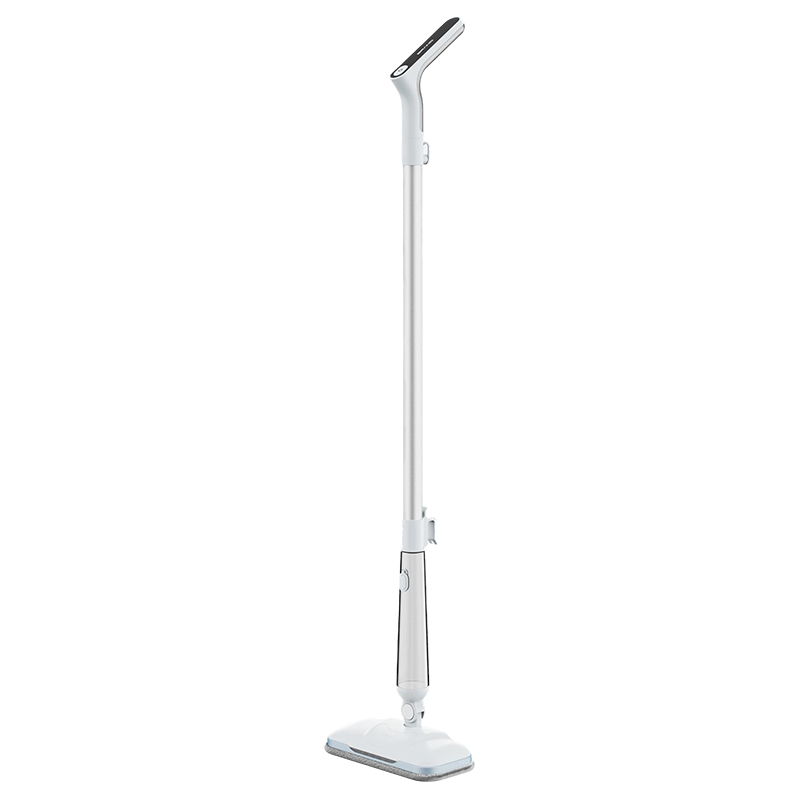
If your home has a mix of tile in the kitchen and bathroom and sealed floors in the living areas, a Steam mop with adjustable steam settings gives you more control across different surfaces.
How to get the best results with a steam mop
Good technique makes a big difference to how clean the floor looks. Follow this order for reliable results.
- Sweep or vacuum the floor first so loose grit does not scratch the surface.
- Fill the tank with clean water, and use distilled water in hard water areas to slow scale build up.
- Attach a clean, dry microfiber pad and wait until steam is ready.
- Work in straight overlapping lines, moving at a slow walking pace rather than rushing.
- Pause briefly over sticky spots to let the steam soften them.
- Never leave the mop resting in one place, because prolonged heat can damage some floors.
- Replace or swap the pad when it becomes heavily soiled so you do not spread dirt back onto the floor.
Finish by emptying the tank, letting the unit cool and washing the pad. This keeps the next clean just as effective.
Limitations to know before you buy
An honest look at the downsides helps you decide whether this tool fits your home.
- Hard floors only: it does not clean carpets or rugs.
- It will not remove thick, hardened limescale or old paint splashes without extra scrubbing.
- Heat up time is short, but it still adds a minute or two compared with grabbing a spray bottle.
- Water quality matters: hard water can leave mineral deposits inside the unit over time.
- Damaged flooring with open seams can absorb moisture, so repair it before steaming.
None of these points cancel the benefits, but they do mean a steam mop works best as part of a routine rather than as a cure for every cleaning problem.
What to look for in a good steam mop
Models differ in design and features. These points affect how useful the mop is in everyday use.
Heat up time and steady steam output
A fast heat up time encourages regular use. Steady output matters more than peak output, because floors need consistent steam across the full cleaning session.
Tank capacity and cord length
A larger tank covers more floor area per fill, and a longer cord reduces the need to switch sockets. Check the stated run time per tank and match it to the size of your home.
Adjustable steam levels and pad options
Adjustable settings let you use lighter steam on sensitive floors and stronger steam on tile. Look for washable pads that fit securely and glide smoothly.
You can compare these features on our Steam mop page to check which specifications fit your floors and your cleaning routine.
Maintenance tips to keep a steam mop working well
Simple habits protect the heater and keep steam strong from the first month to the second year.
- Use distilled or demineralized water if your tap water is hard.
- Empty the tank after each session so water does not sit and form deposits.
- Wash pads after use and let them dry fully before storage.
- Wipe the mop head and check the steam holes for lint or debris.
- Descale when needed, following the instructions in your user manual.
Final verdict
The advantages of a steam mop are clear for people with sealed hard floors: chemical-free cleaning, a sanitizing effect from heat, less scrubbing, fast drying and lower running costs. It is most valuable in kitchens, bathrooms, hallways and family living areas where sticky spills and foot traffic are common.
If you match it to the right floors and use steady, slow passes with a clean pad, a Steam mop can make floor cleaning faster, simpler and more hygienic than a traditional bucket and mop.
Sources referenced: NIST Chemistry WebBook (properties of water and steam); US Environmental Protection Agency (indoor air quality and cleaning products); Asthma and Allergy Foundation of America (dust mite reduction methods); US Centers for Disease Control and Prevention (disinfection guidance).
News
Products
Related Products
Integrated R&D, production and export full industrial chain.
Quick Link
Product
Contact Information
-
Tel:86-139 5829 1543
-
E-mail:ken@nbyeyang.net
-
Address: No. 299, Xinzhuang West District, Longquan Village, Henghe Town, Cixi City, Zhejiang Province, China
Copyright © Ningbo Yeyang Electric Appliance Co., Ltd. All Rights Reserved OEM/ODM Small Household Appliances Manufacturer Small Home Appliances Factory
