
 English
  Español
  Deutsch
  عربى
عربى 

Do the handheld steam cleaners actually work?
Yes, handheld steam cleaners actually work, but they are specialist tools, not a replacement for every cleaning product. They are very effective on grease film, baked-on grime, grout lines, sticky residue and light sanitizing of hard surfaces. They are less effective on heavy limescale, deep carpet stains and large floor areas.
The reason is simple physics. Water turns to steam at 100 degrees Celsius at sea level, and steam carries a large amount of stored heat (about 2,260 kJ per kilogram released when it condenses back to water, according to the NIST Chemistry WebBook). That heat softens grease and loosens dirt without harsh chemicals.
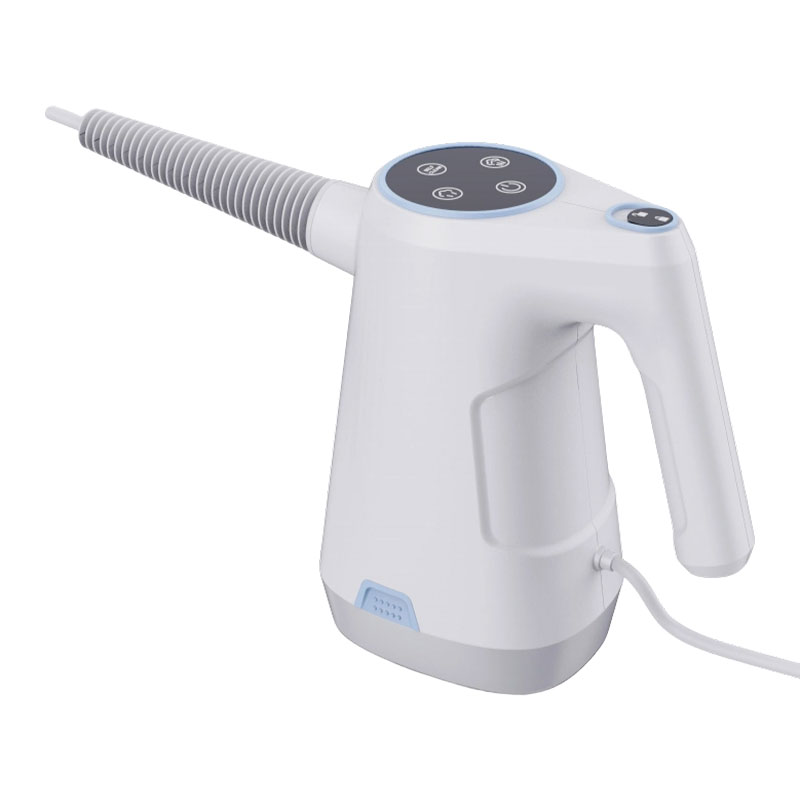
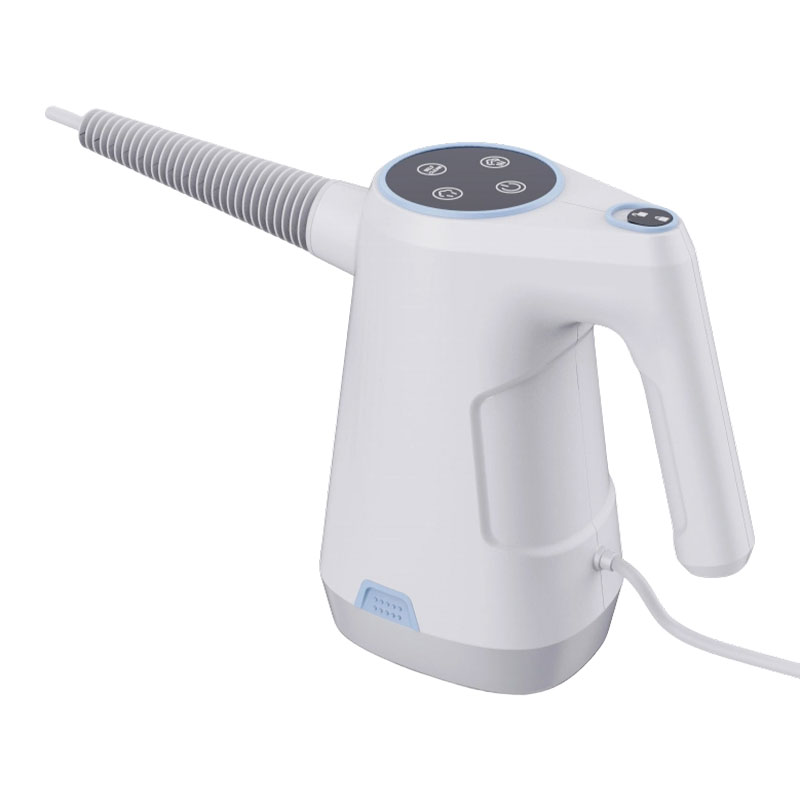
A well-built Handheld steam cleaner is compact, quick to heat and easy to aim at small problem areas. If you match the tool to the task, the results are genuinely good. If you expect it to dissolve rust or replace a vacuum, you will be disappointed.
Content
- 1 How a handheld steam cleaner removes dirt
- 2 Where handheld steam cleaners perform best
- 3 Do handheld steam cleaners kill germs and dust mites
- 4 How to get the best results from a handheld steam cleaner
- 5 Surfaces you should not steam
- 6 Handheld steam cleaner versus common alternatives
- 7 What to look for in a good handheld steam cleaner
- 8 Maintenance tips that keep the performance consistent
- 9 Who benefits most from a handheld steam cleaner
- 10 Final verdict
How a handheld steam cleaner removes dirt
A handheld unit heats water in a small boiler, builds pressure and pushes hot vapor through a nozzle. Three things happen when that vapor hits a surface.
- Heat softens grease and wax. Oily kitchen residue turns from a hard film into a loose layer that wipes away.
- Moisture loosens bonded dirt. Dried food, soap scum and sticky spills absorb the vapor and lift from the surface.
- Pressure drives vapor into gaps. Grout lines, tap bases, hinges and seams are reached better than with a cloth.
Steam alone rarely removes the dirt completely. The loosened soil still needs to be wiped up with a clean microfiber cloth, otherwise it simply settles back onto the surface as it dries.
Where handheld steam cleaners perform best
The table below summarizes typical results based on common household use. Performance depends on steam pressure, nozzle choice and how long you hold the nozzle on one spot.
| Task | Result | Practical note |
|---|---|---|
| Kitchen hob and oven door grease | Excellent | Hold the nozzle 2 to 3 cm away for several seconds, then wipe |
| Tile grout lines | Very good | Use a small brush nozzle and work along the line slowly |
| Bathroom taps and shower glass | Very good | Removes soap film, but will not fully remove thick limescale |
| Sofa and mattress refresh | Good | Use a cloth cover on the nozzle and avoid soaking the fabric |
| Car interior seams and cup holders | Good | Reaches crevices that vacuums and cloths miss |
| Large floors | Poor | Too slow, a mop-style steamer is a better choice |
| Heavy rust or thick scale | Poor | Needs a chemical descaler or mechanical scrubbing |
Do handheld steam cleaners kill germs and dust mites
Heat is a recognized way to reduce germs and dust mites, but the claim needs care. A steam cleaner is not a hospital-grade disinfectant, and results depend on temperature at the surface and contact time.
What the evidence says about heat and dust mites
The Mayo Clinic advises washing bedding in hot water of at least 130 degrees Fahrenheit (54 degrees Celsius) to kill dust mites. Steam leaving a nozzle is far hotter than that, though it cools quickly as it reaches the surface. The Asthma and Allergy Foundation of America also lists steam cleaning among the methods that can help reduce dust mites in carpets and soft furnishings.
A realistic expectation for sanitizing
For everyday homes, steam is a good chemical-free way to reduce bacteria and allergens on hard, sealed surfaces such as tiles, sinks and counters. Hold the nozzle close and keep it moving slowly. If someone in your home is immunocompromised, or you need a documented disinfection standard, follow the guidance of the US Centers for Disease Control and Prevention (CDC) on registered disinfectants instead of relying on steam alone.
How to get the best results from a handheld steam cleaner
Most complaints about weak performance come from technique, not the machine. Follow this order for the cleanest results.
- Remove loose dust and crumbs first with a vacuum or dry cloth.
- Fill the tank with clean water, and use distilled or softened water in hard water areas to slow scale build up.
- Wait until the unit reaches full steam pressure before you start.
- Pick the right nozzle: a pointed jet for grout and crevices, a brush for stubborn spots, a flat tool with a cloth for wide surfaces.
- Hold the nozzle 2 to 3 cm from the surface and let the steam work for 3 to 5 seconds before moving on.
- Wipe immediately with a dry microfiber cloth so the loosened dirt is removed rather than redeposited.
- Empty the tank and let the unit cool before storing it.
This approach alone makes a noticeable difference. Many people who say their steamer left streaks simply skipped the wiping step or used tap water that left mineral marks.
Surfaces you should not steam
High heat and moisture can damage some materials. Test a hidden area first if you are not sure, and avoid the following.
- Unsealed wood and unfinished wood floors: moisture can cause swelling or discoloration.
- Delicate fabrics such as silk or velvet: heat can leave water marks or flatten the pile.
- Cold glass in winter: sudden temperature changes can crack single-pane or damaged glass.
- Painted walls with poor adhesion: steam can lift paint or wallpaper.
- Electrical sockets, switches and appliance vents: keep steam away from live components.
Always keep the nozzle pointed away from people and pets, and never open the cap while the tank is under pressure.
Handheld steam cleaner versus common alternatives
A steamer is not always the fastest option. This comparison shows where it fits among typical household cleaning methods.
| Method | Strength | Limitation |
|---|---|---|
| Handheld steam cleaner | Chemical-free, reaches tight gaps, good on grease and grout | Small tank, short run time per fill |
| Spray cleaner and cloth | Fast for light daily wipes | Uses chemicals, struggles with baked-on residue |
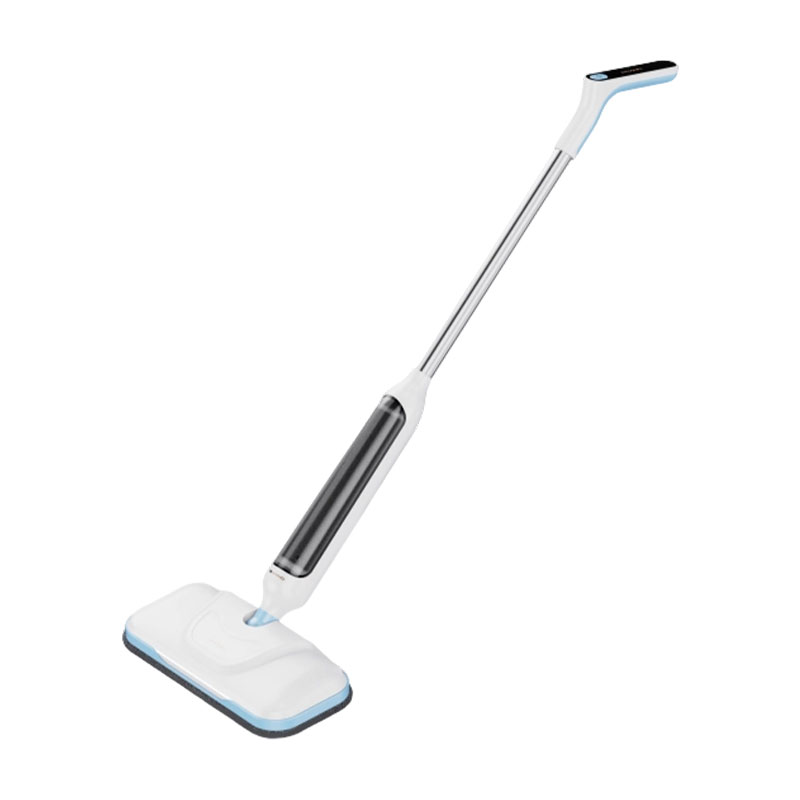
| Mop-style steam cleaner | Covers large floors quickly | Bulky and awkward for corners and vertical surfaces |
| Scrub brush with detergent | Strong mechanical action | Labor heavy and tiring for grout and crevices |
Many homes get the best results by using a spray cleaner for daily wiping and a handheld steamer for the deep clean tasks once a week or once a month.
What to look for in a good handheld steam cleaner
Specifications vary a lot between models, so it helps to know which ones actually change performance.
Steam pressure and heat up time
Higher pressure drives vapor into grout and crevices more effectively, and a shorter heat up time means you are more likely to use the tool for quick jobs. Look for a unit that reaches working steam within a few minutes.
Tank size and run time
A small tank keeps the unit light, but you will need to refill more often. A larger tank suits a full bathroom or kitchen session. Check the stated run time per fill before buying.
Accessories and safety features
A good set includes a jet nozzle, a brush, a cloth cover and an extension tool. A child-resistant safety cap and a pressure release design are also important for safe use at home.
You can compare these points on our Handheld steam cleaner page, which lists the accessories and features of the model so you can check them against your own cleaning needs.
Maintenance tips that keep the performance consistent
A steamer that loses power over time is usually clogged with mineral scale. A few habits prevent most problems.
- Use distilled or demineralized water if your tap water is hard.
- Empty the tank after every session so water does not sit and form deposits.
- Rinse nozzles and brush heads with warm water and let them dry.
- Wash cloth covers after use, since they hold loosened grease and soil.
- Descale occasionally according to the user manual of your unit.
Following these steps usually extends the life of the heater and keeps steam output steady from the first use to the hundredth.
Who benefits most from a handheld steam cleaner
Handheld units suit people who want deep cleaning without relying on strong chemicals. They tend to be most useful in these situations.
- Apartment and small home owners who need a compact tool that stores easily.
- Families with young children or pets who prefer fewer chemical residues on surfaces.
- Allergy-conscious households that want to reduce dust and mites on mattresses and sofas.
- Car owners who need to clean seams, vents and cup holders.
- Landlords and cleaners who handle kitchens, bathrooms and tile grout between tenants.
If most of your cleaning is large floor areas, a mop-style machine may suit you better, but a handheld unit is still a useful partner for detail work.
Final verdict
Handheld steam cleaners do work, and they work best when you use them for grease, grout, soap film, sticky residue and light sanitizing of hard surfaces. They do not replace descalers, vacuums or professional disinfectants, and they should not be used on delicate or unsealed materials.
With the right technique, clean water and a wipe after every pass, a Handheld steam cleaner can deliver visible results in kitchens, bathrooms and cars without a cupboard full of chemical products.
Sources referenced: NIST Chemistry WebBook (properties of water and steam); Mayo Clinic (dust mite control and hot water washing temperature); Asthma and Allergy Foundation of America (dust mite reduction methods); US Centers for Disease Control and Prevention (disinfection guidance).
News
Products
Related Products
Integrated R&D, production and export full industrial chain.
Quick Link
Product
Contact Information
-
Tel:86-139 5829 1543
-
E-mail:ken@nbyeyang.net
-
Address: No. 299, Xinzhuang West District, Longquan Village, Henghe Town, Cixi City, Zhejiang Province, China
Copyright © Ningbo Yeyang Electric Appliance Co., Ltd. All Rights Reserved OEM/ODM Small Household Appliances Manufacturer Small Home Appliances Factory
